Skip to content
MATSURI
JAEN

MATSURI JAPAN — CELEBRATETHE SOULOF JAPAN.

日本の熱狂を、世界へ。

Festivals, fireworks, prayer, seasons. A journey through the Japanese year.

01 — Prologue

ONCE A YEAR,THE CITYBECOMESSOMETHING ELSE.

一年に一度、
街が別の顔を見せる。

Floats advance through the streets, lanterns light the night, and portable shrines sway on a sea of shoulders. A Japanese matsuri is the moment each year when prayer to the gods and a community's memory take visible form. MATSURI JAPAN introduces these festivals through the turning seasons — together with the faith, history and people behind them.

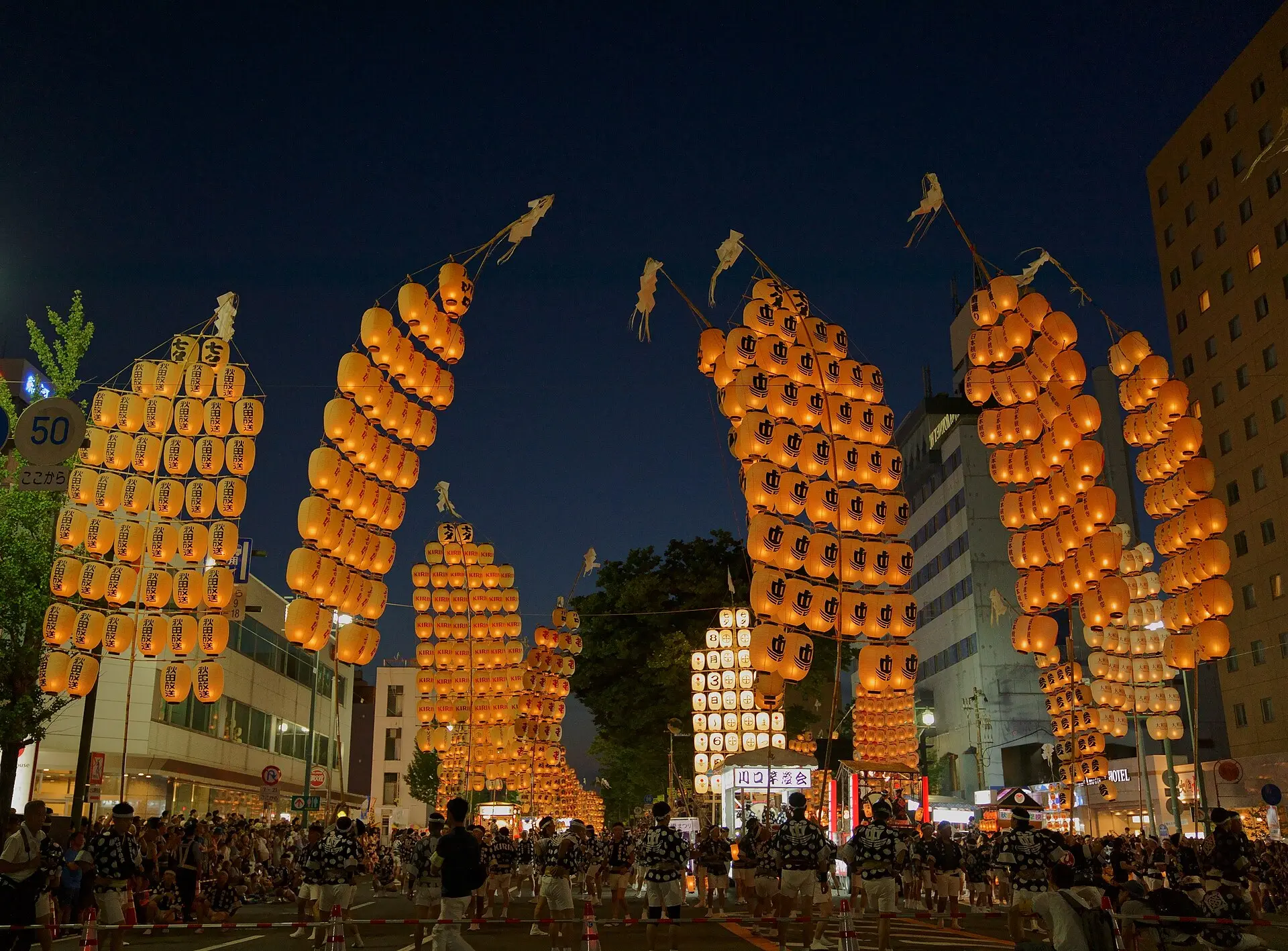
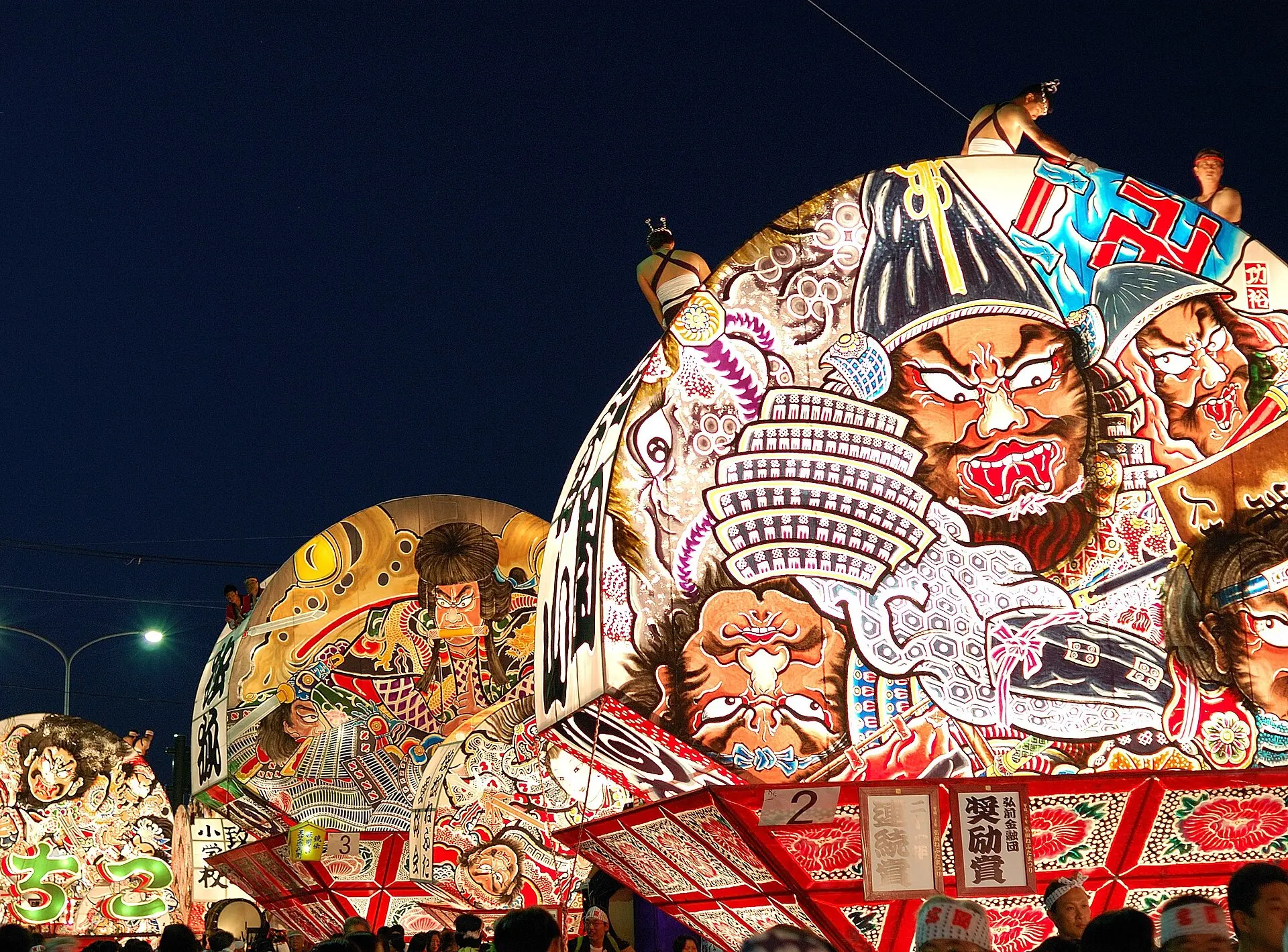
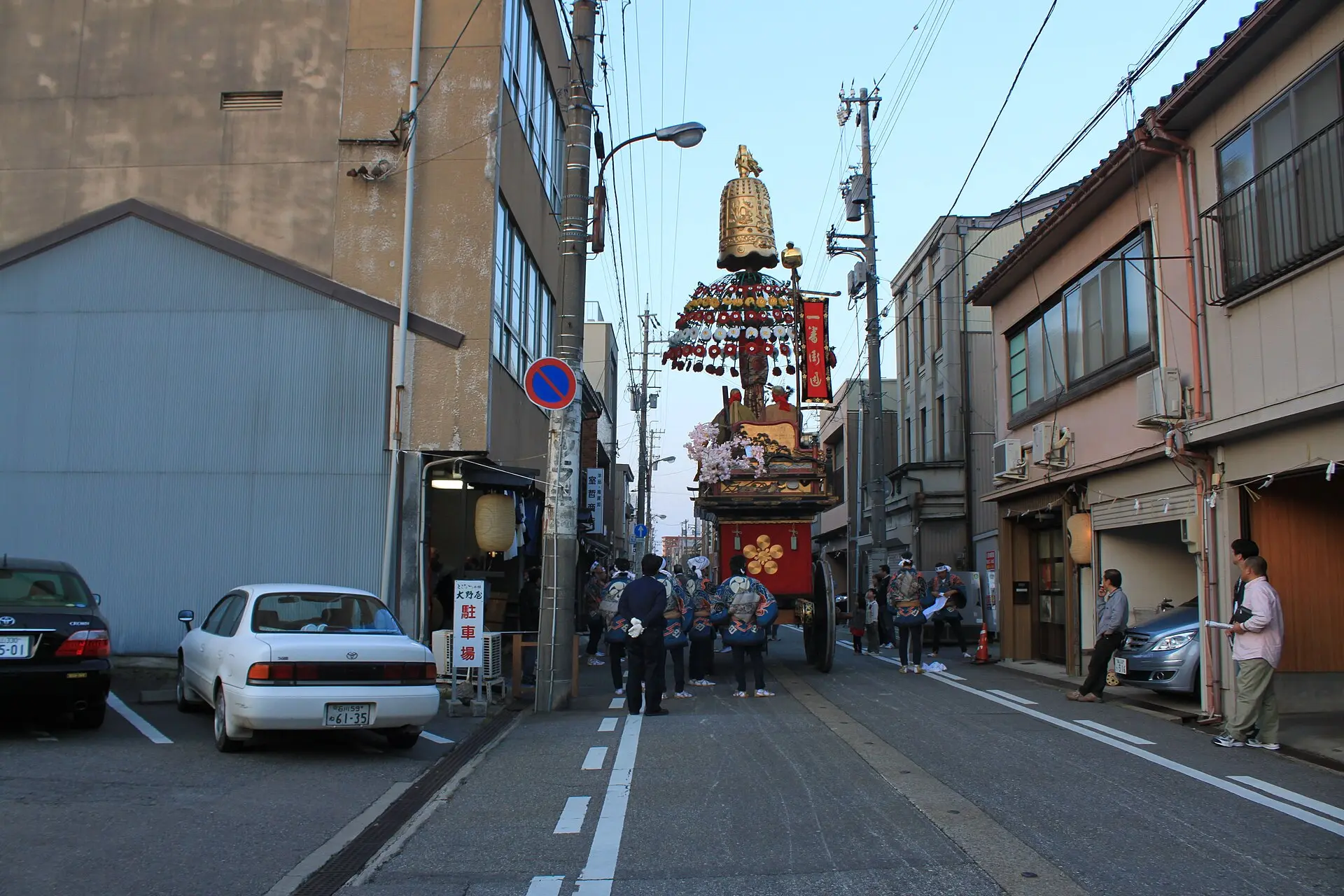
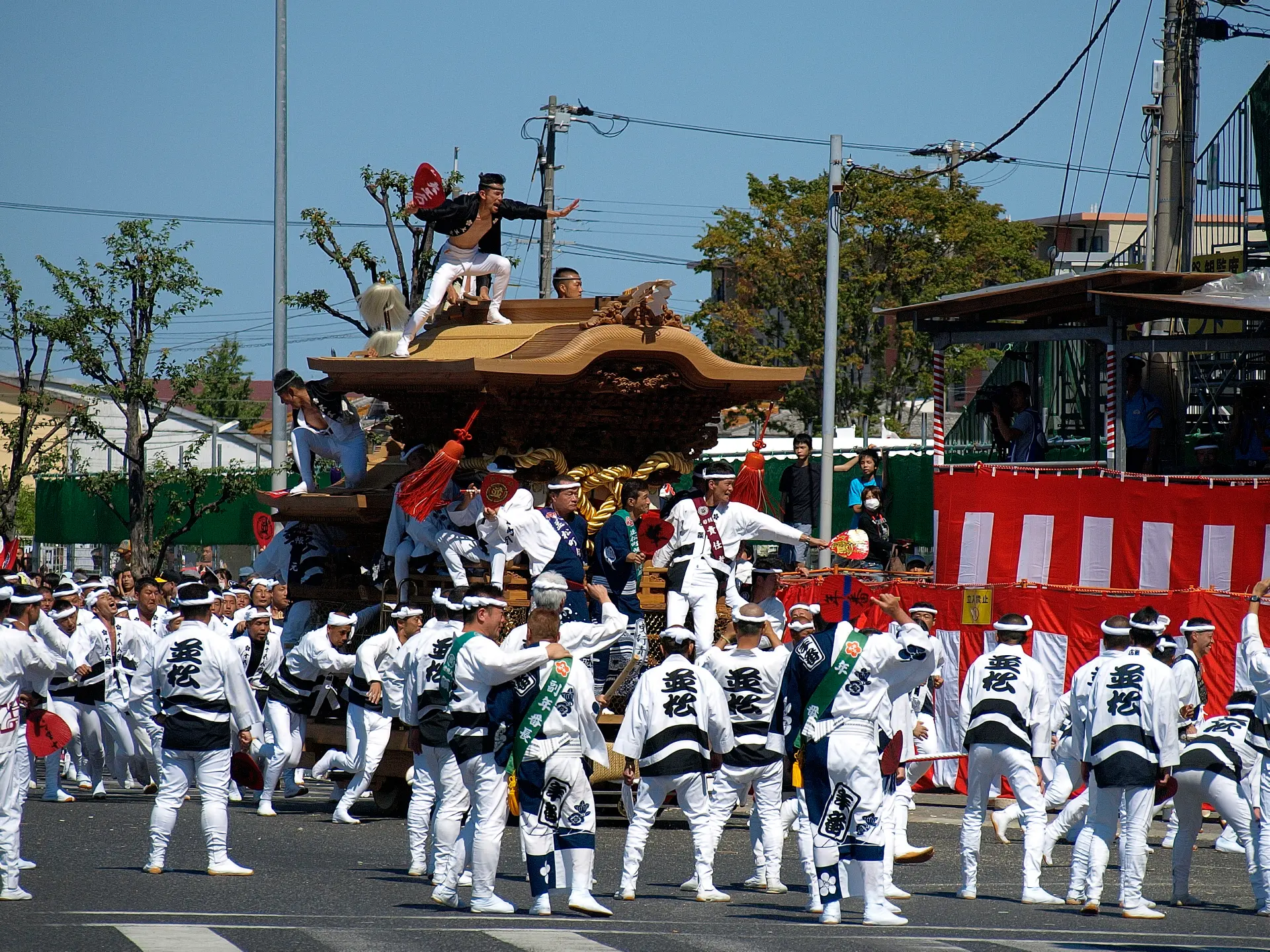
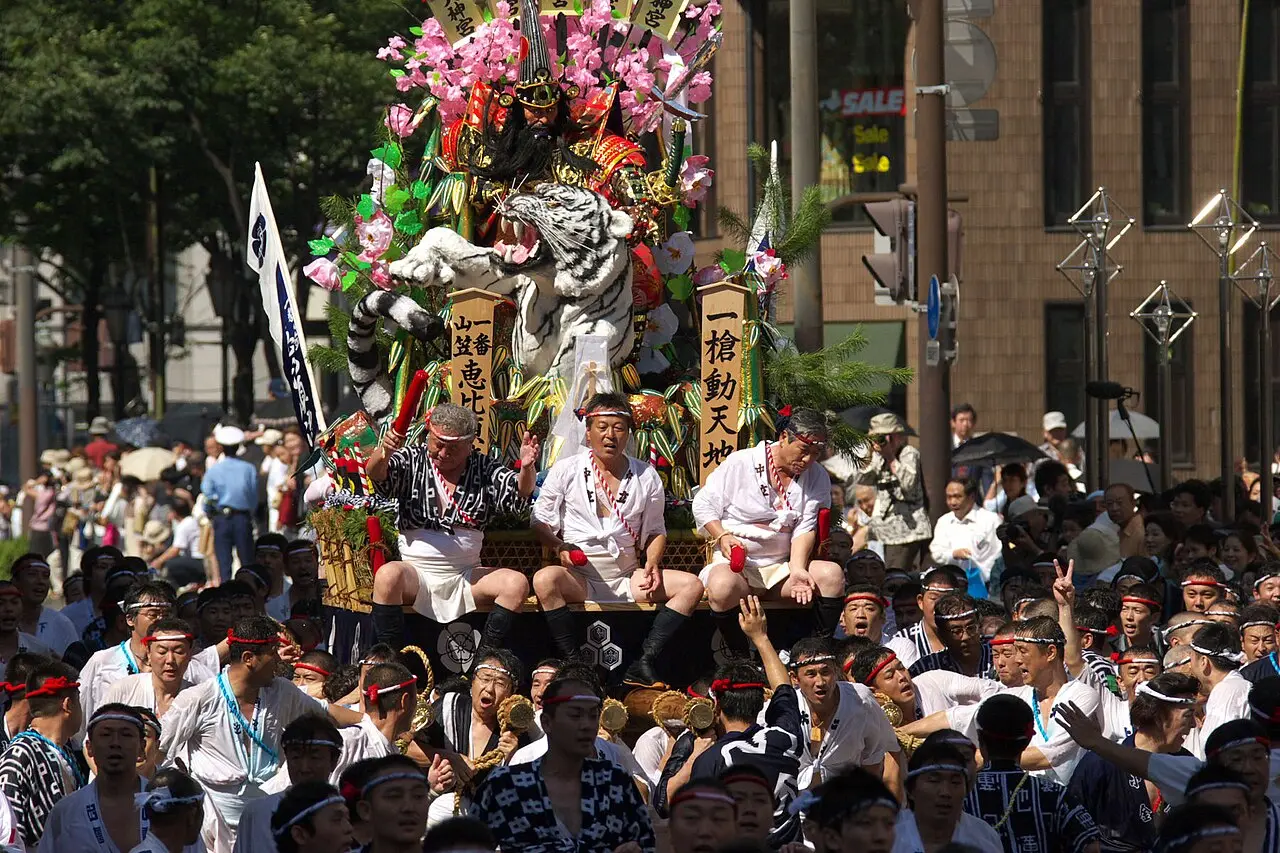
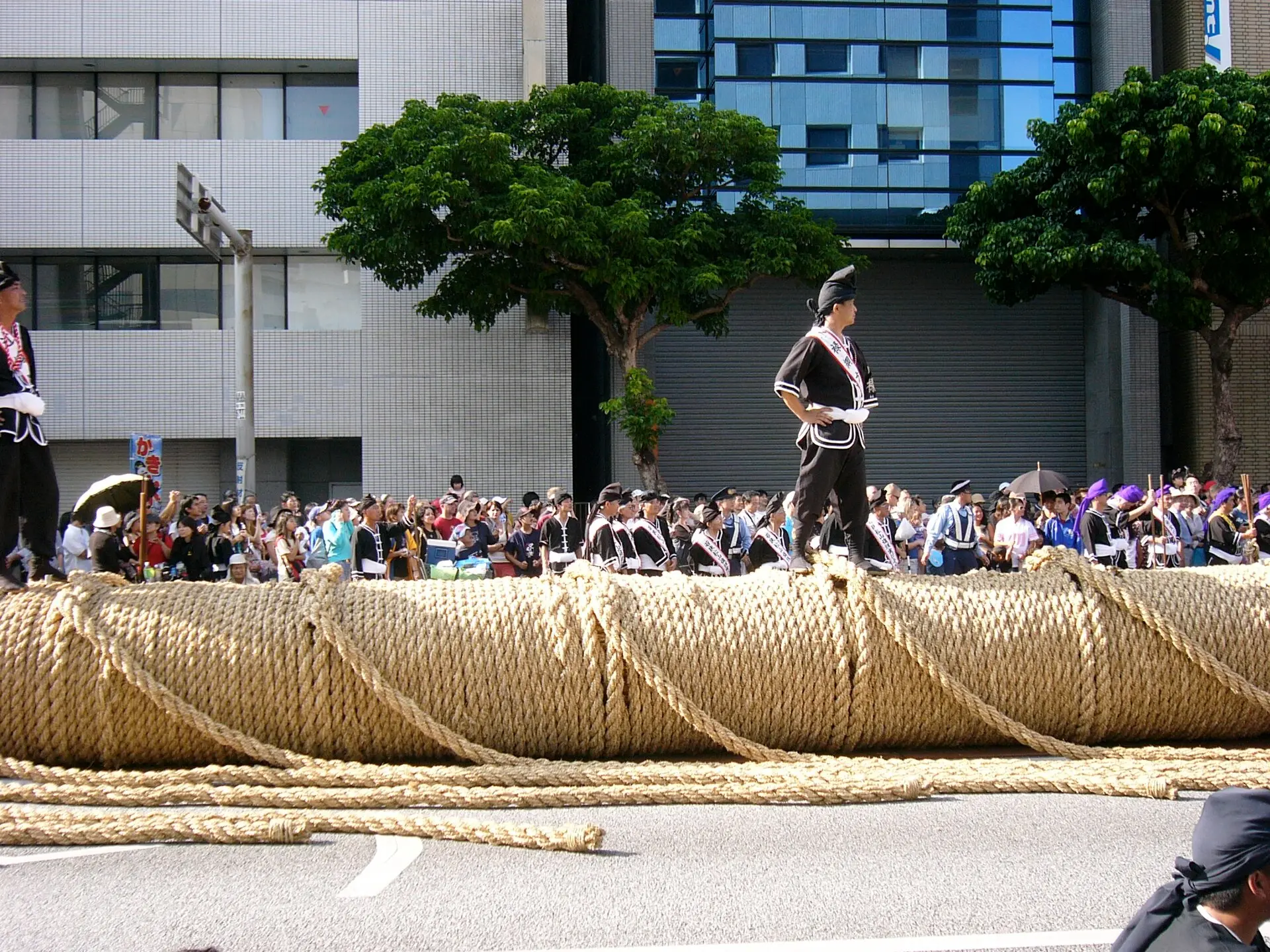
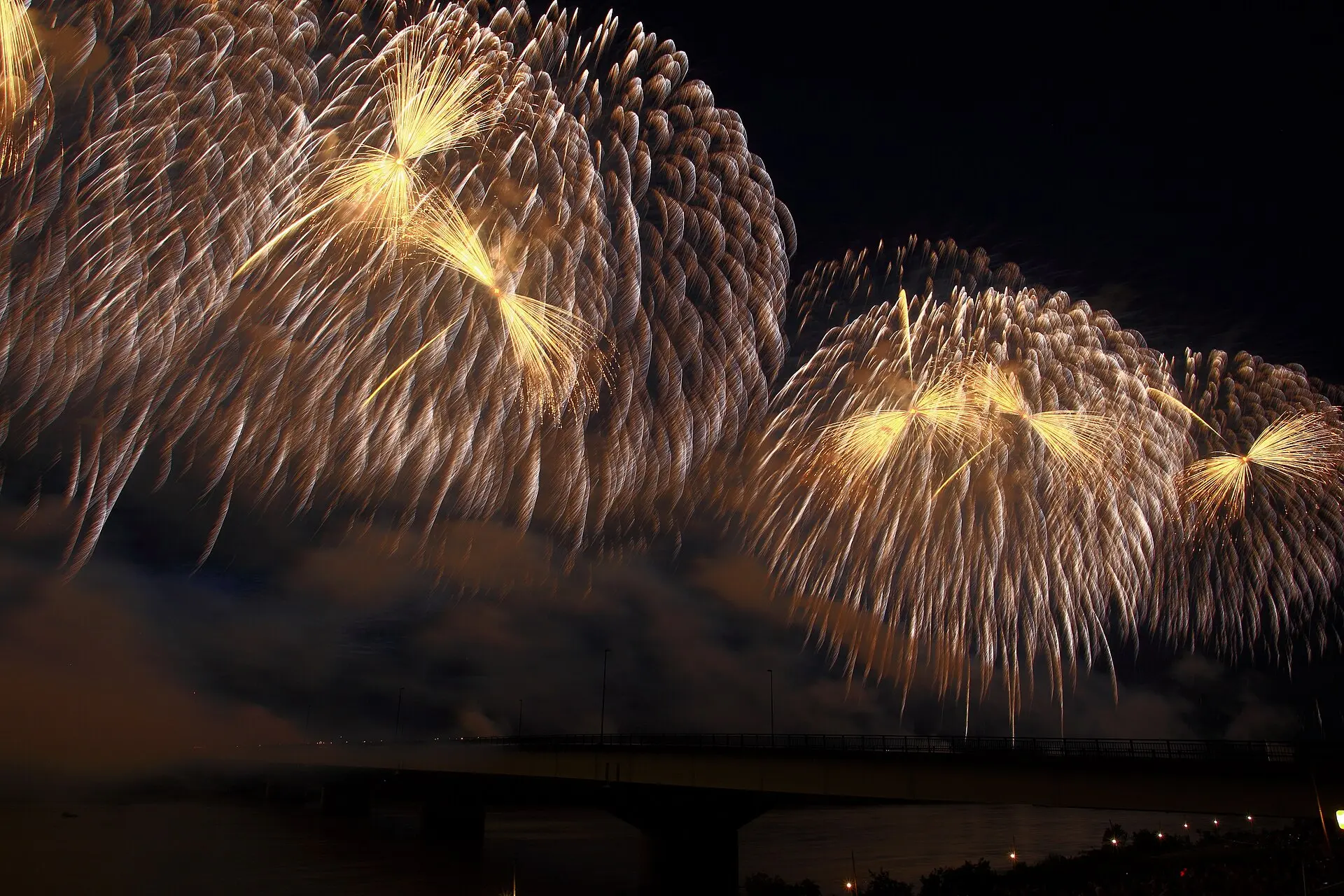
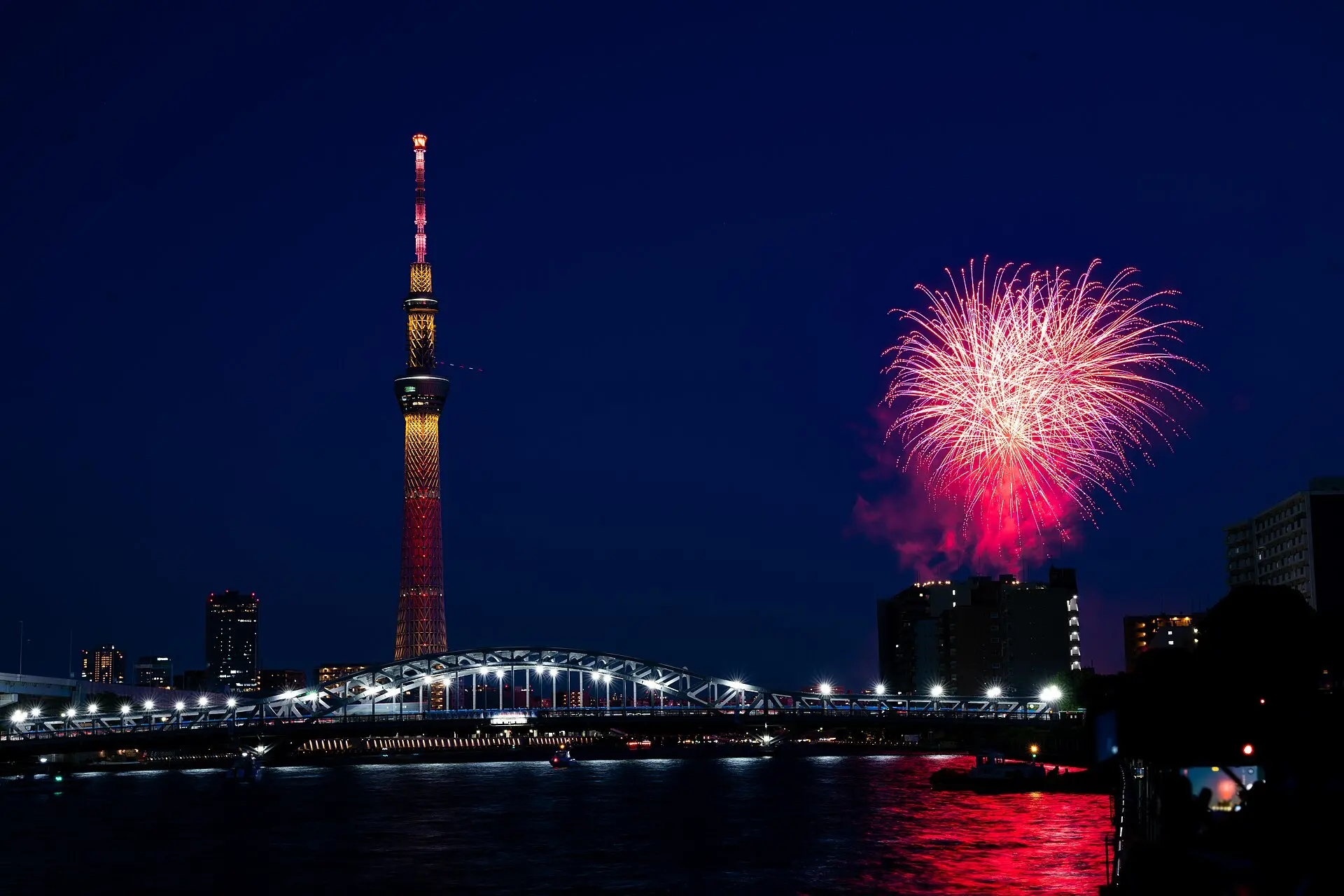
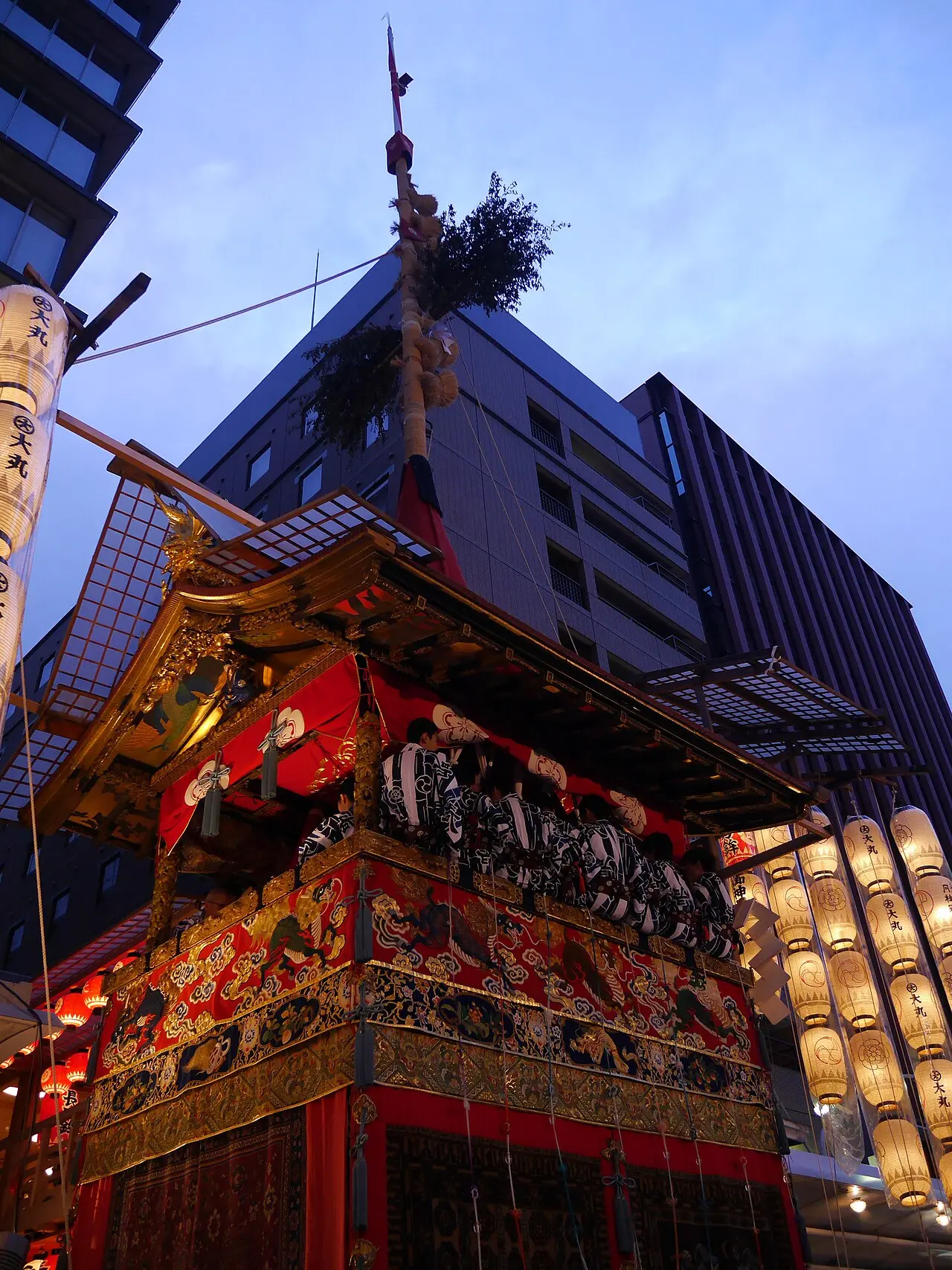
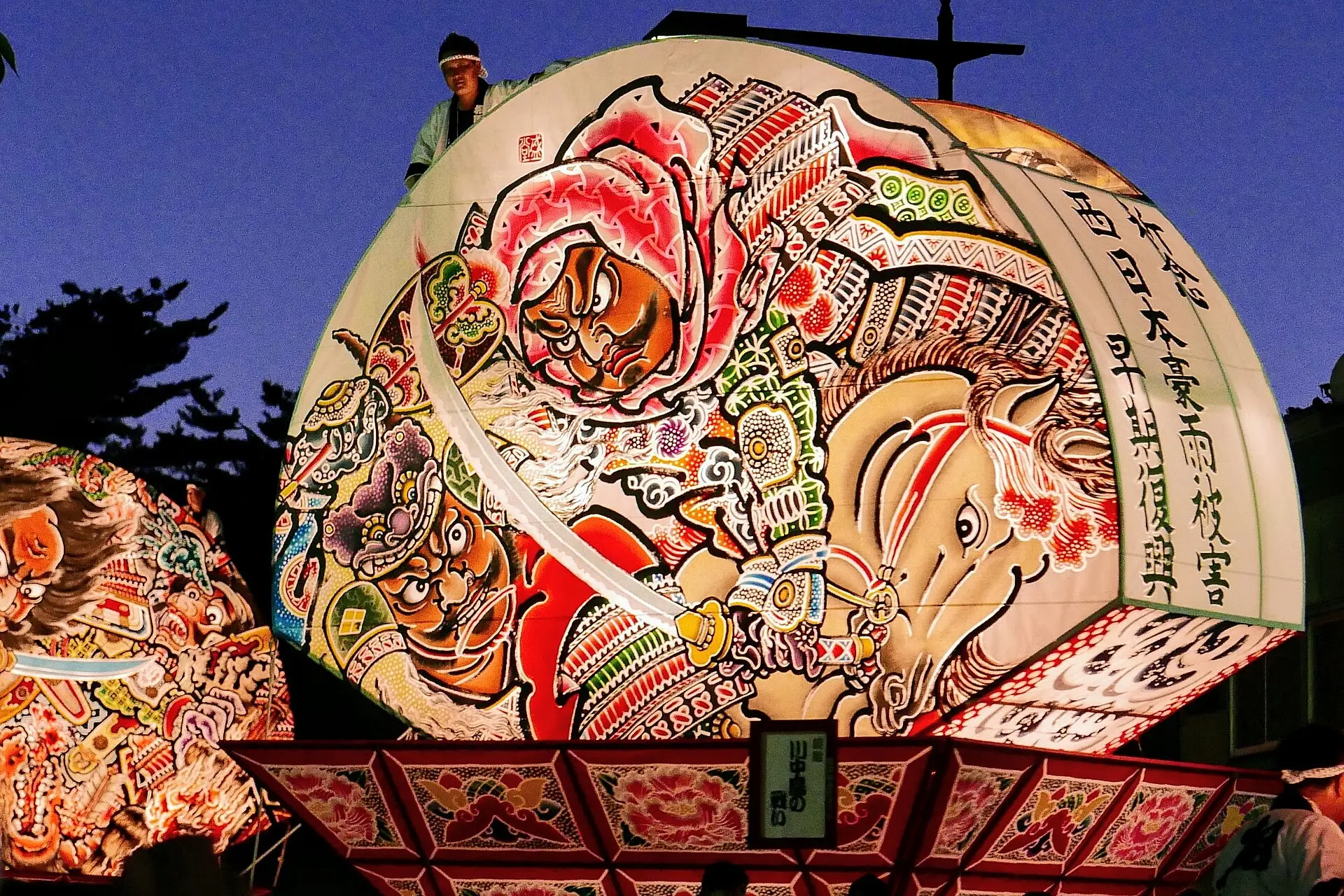
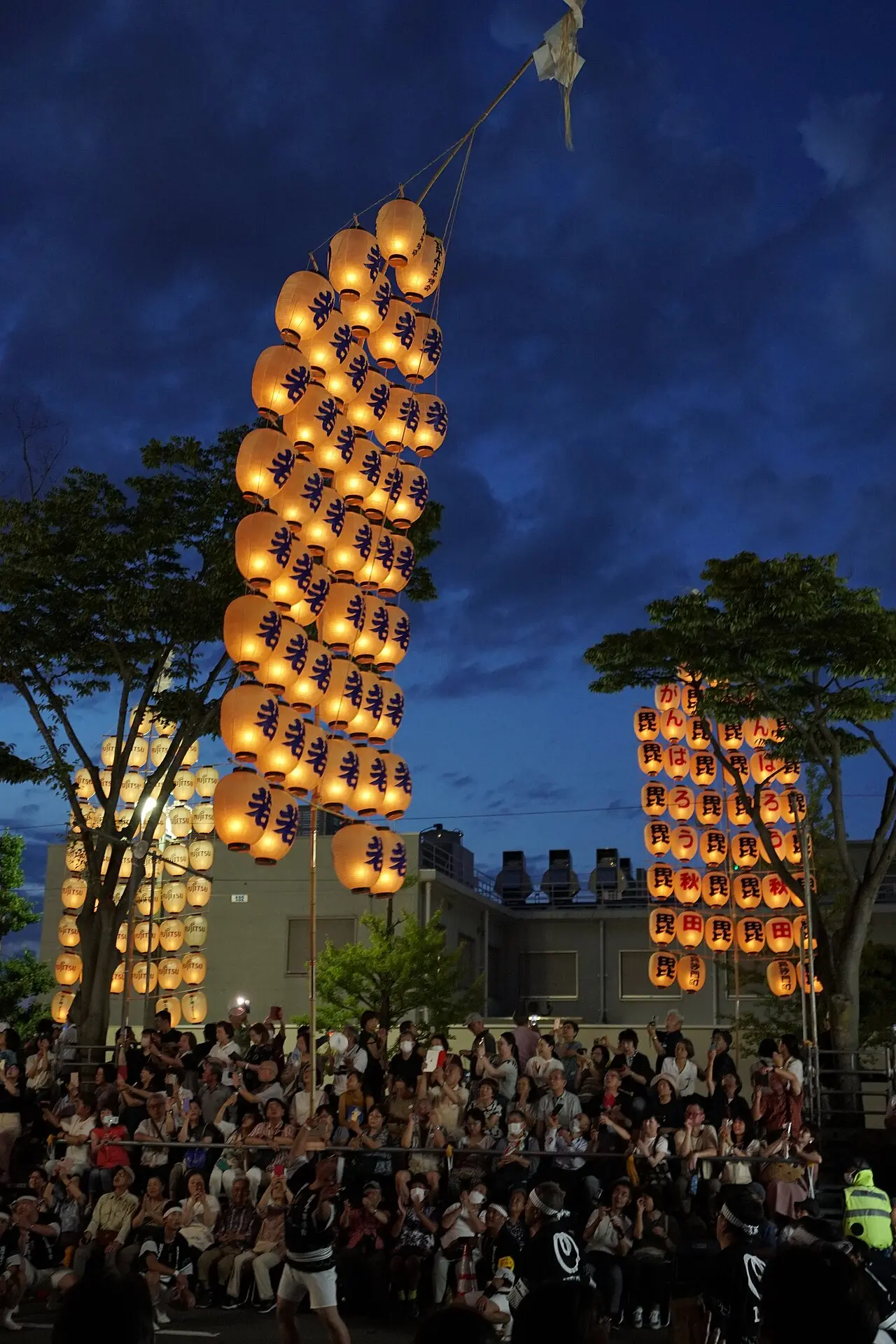
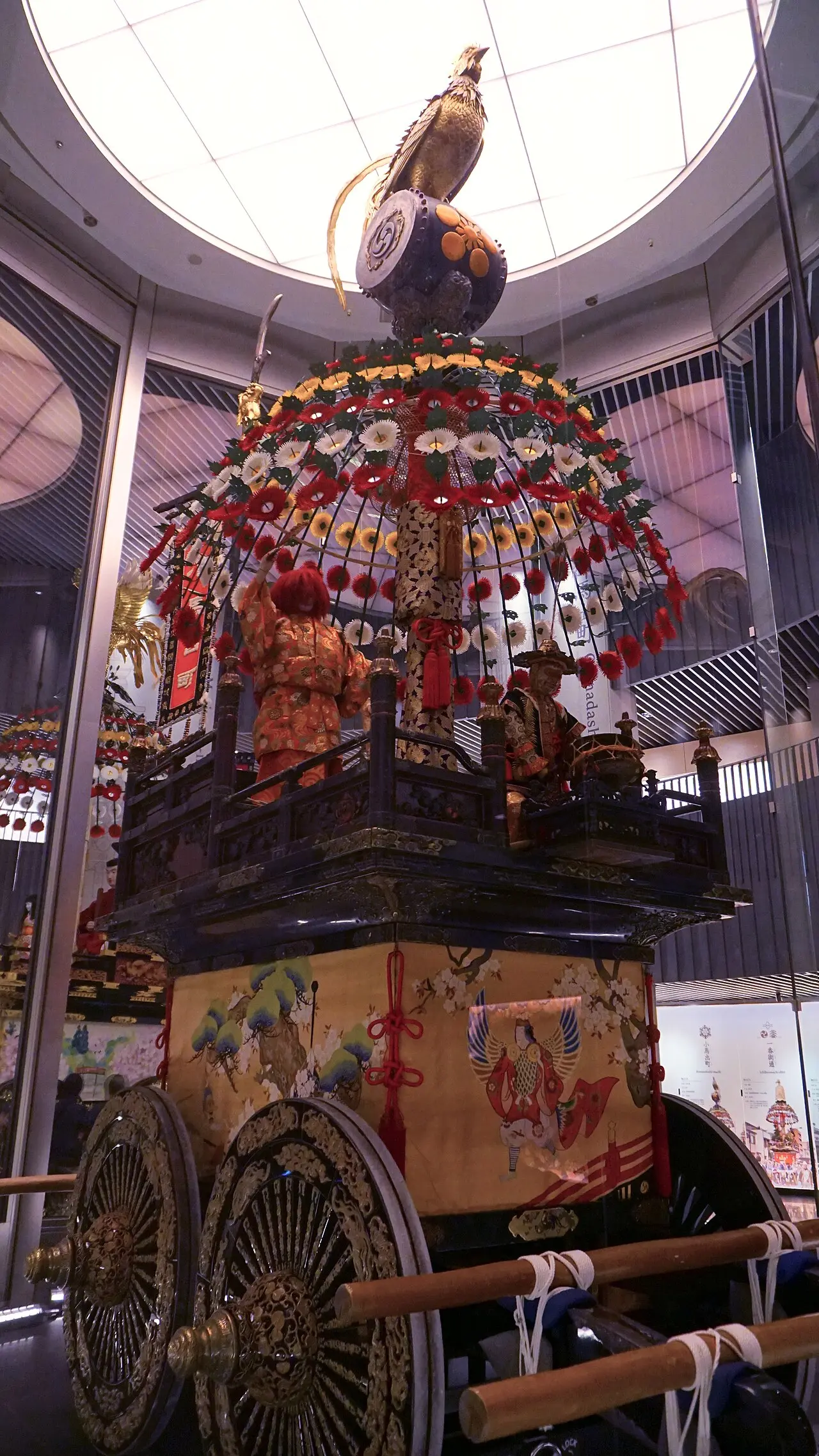
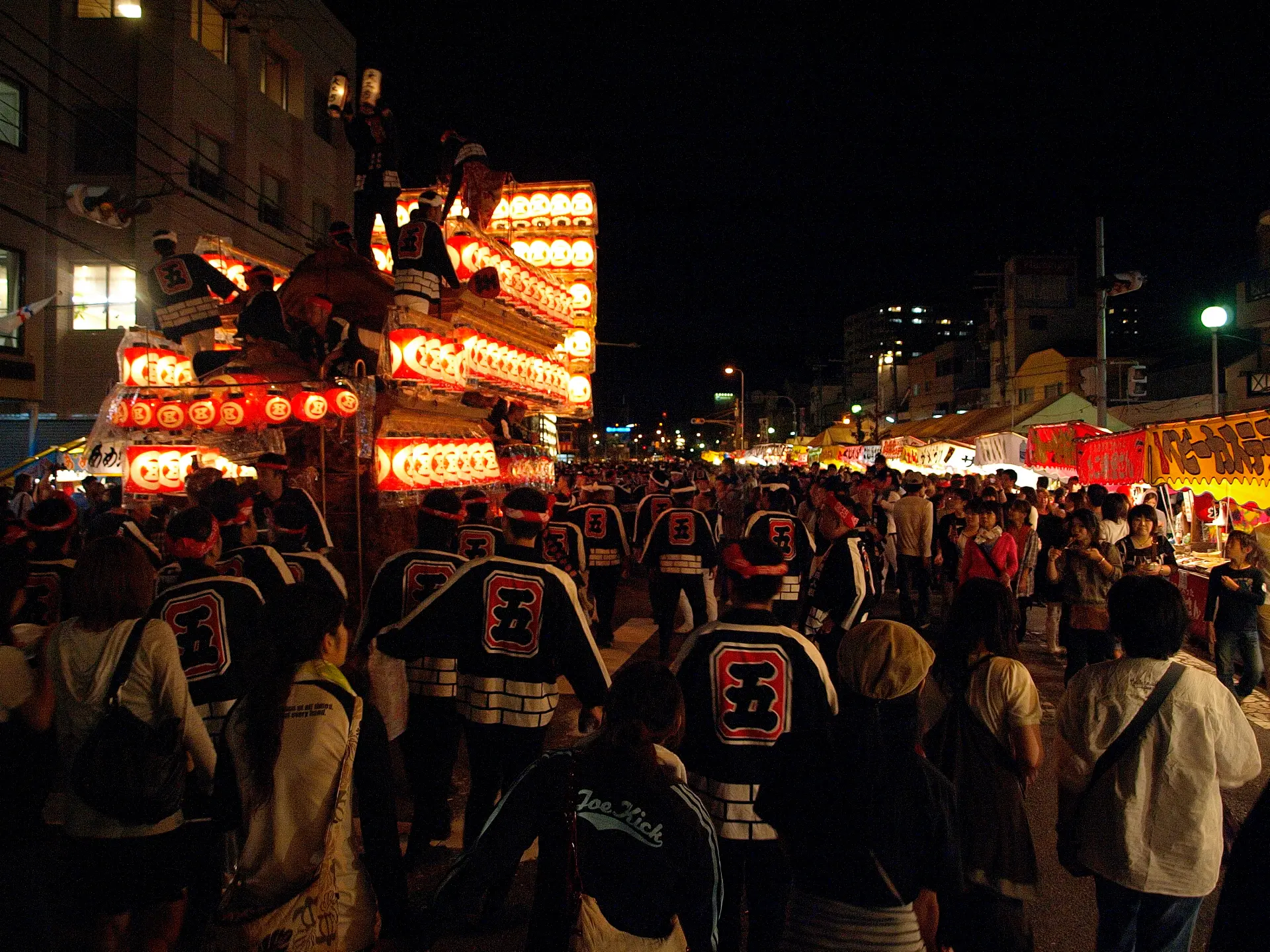
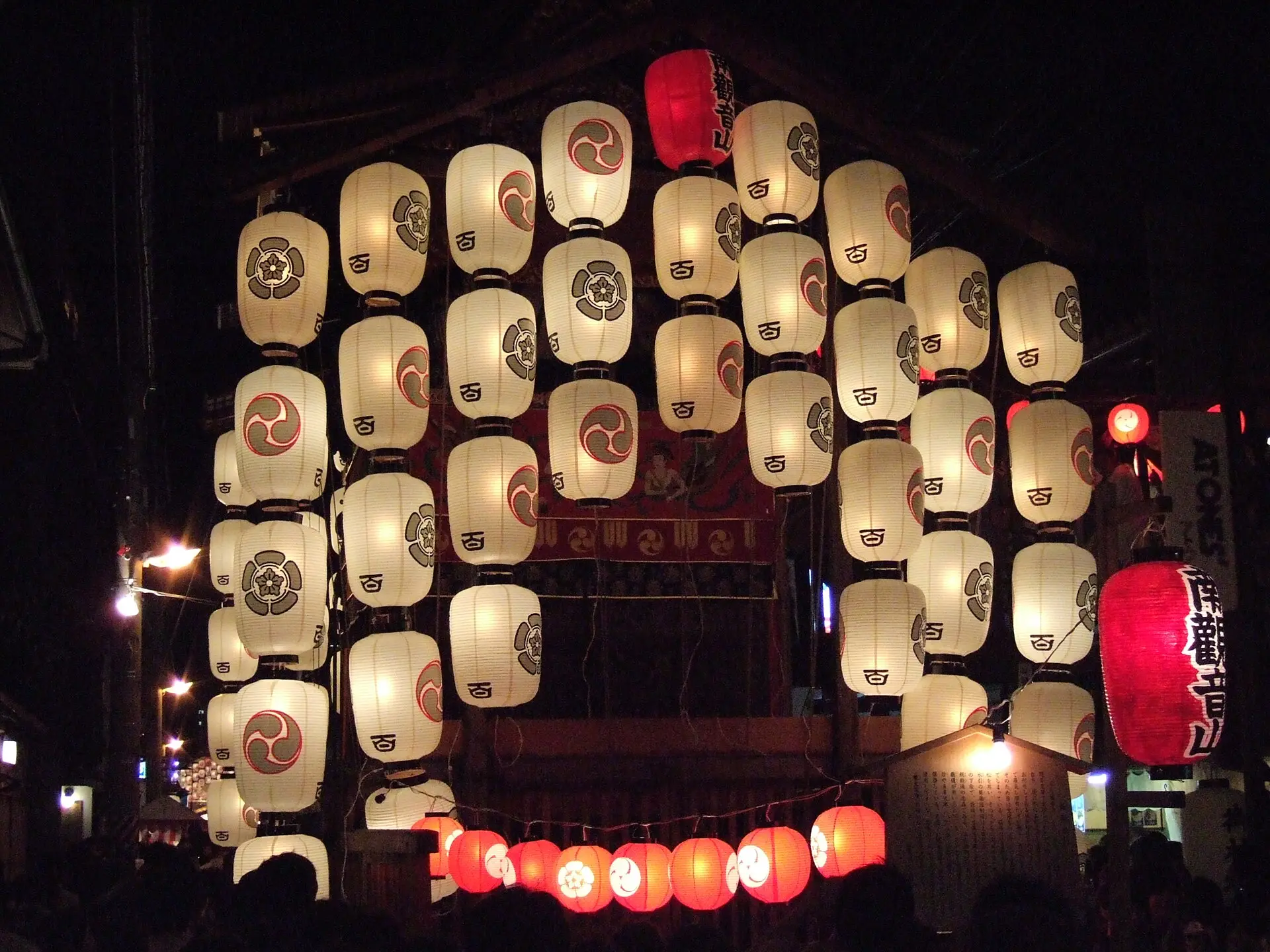
The Minami Kannonyama float glowing with tiers of paper lanterns on a Gion Matsuri Yoiyama nightGion Matsuri祇園祭Fan-shaped ōgi neputa floats painted with warriors glowing against the night sky in HirosakiHirosaki Neputa Festival弘前ねぷたまつりDozens of lantern-laden kanto poles bending over the crowd on Akita's Kanto Odori avenue at nightAkita Kanto Festival秋田竿燈まつりA Takaoka Mikurumayama float with a gilded crest and flower parasol moving along a city streetTakaoka Mikurumayama Festival高岡御車山祭A carved Kishiwada danjiri float surrounded by white-coated haulers with a leader dancing on its roofKishiwada Danjiri Matsuri岸和田だんじり祭A Hakata Gion Yamakasa kakiyama float with warrior figures carried through Fukuoka by men in happi coatsHakata Gion Yamakasa博多祇園山笠The colossal straw rope of the Naha Great Tug-of-War laid along an avenue with a performer atop itNaha Great Tug-of-War (Naha Otsunahiki)那覇大綱挽The Phoenix fireworks at the Nagaoka Festival, a golden curtain of shells spanning the night sky over the Shinano RiverNagaoka Festival Grand Fireworks長岡まつり大花火大会Sumidagawa Fireworks Festival at blue hour, a burst beside the lit Tokyo Skytree and a bridge glowing on the Sumida RiverSumida River Fireworks Festival隅田川花火大会Looking up at the Naginata-boko float at dusk during Yoiyama, its mast rising and lanterns litGion Matsuri祇園祭A fan-shaped neputa painted with a warrior and horse, lit from within at duskHirosaki Neputa Festival弘前ねぷたまつりA towering kanto pole of glowing lanterns rising into a deep blue dusk sky above the crowdAkita Kanto Festival秋田竿燈まつりA displayed Takaoka Mikurumayama float with lacquered wheels, carved body and radiating flower-parasol crownTakaoka Mikurumayama Festival高岡御車山祭Kishiwada danjiri floats hung with glowing lanterns moving through the crowd at nightKishiwada Danjiri Matsuri岸和田だんじり祭
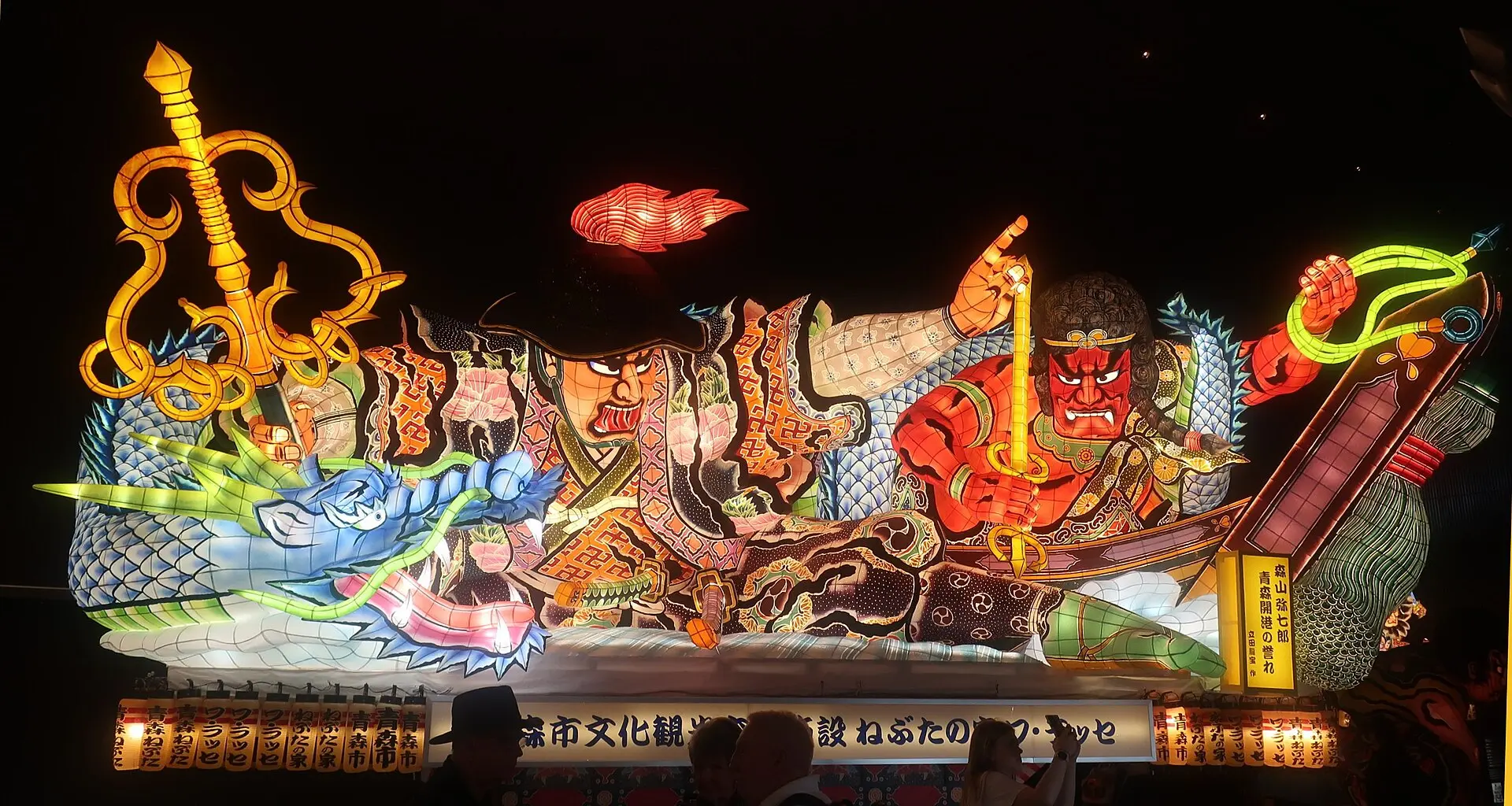
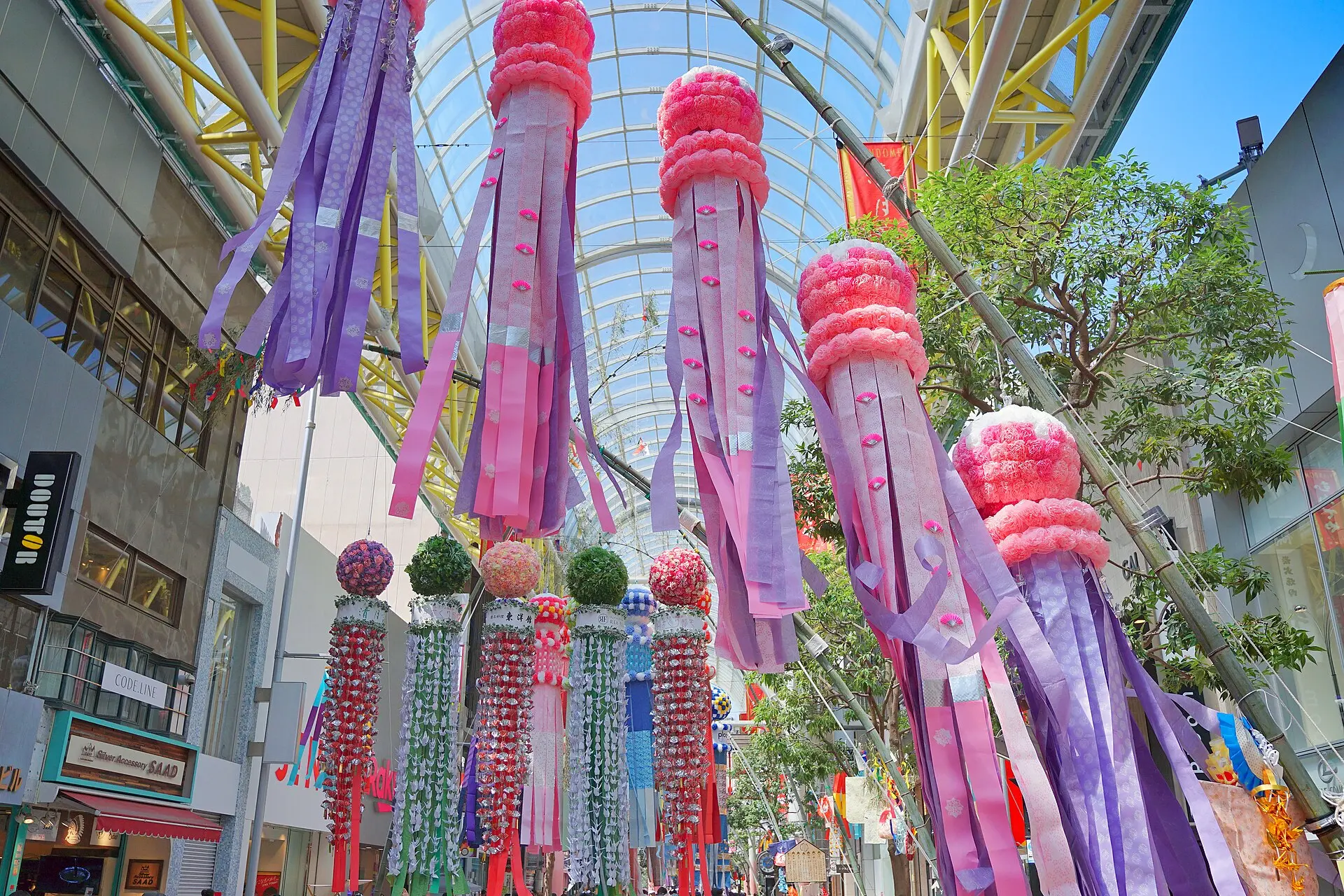
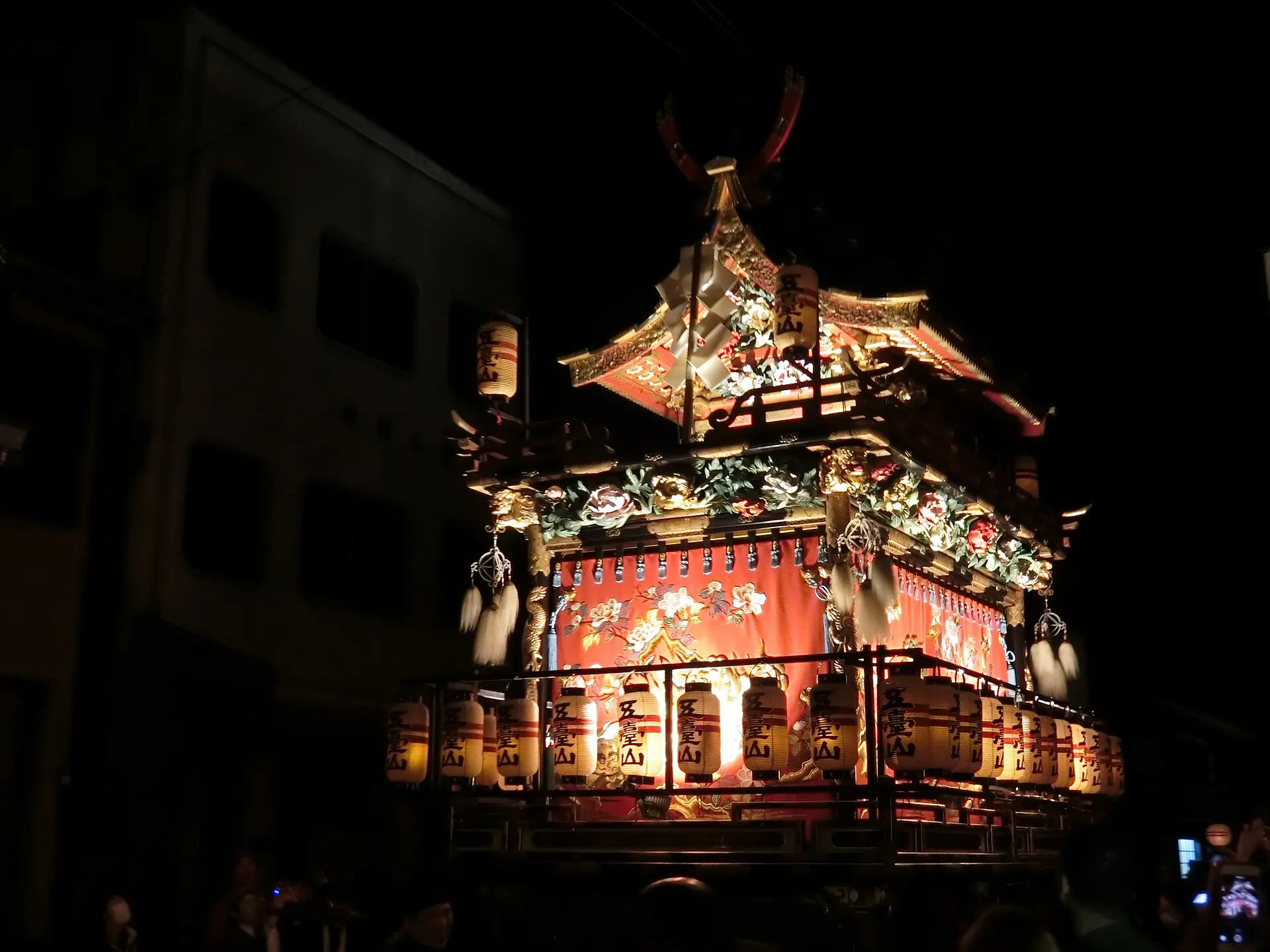
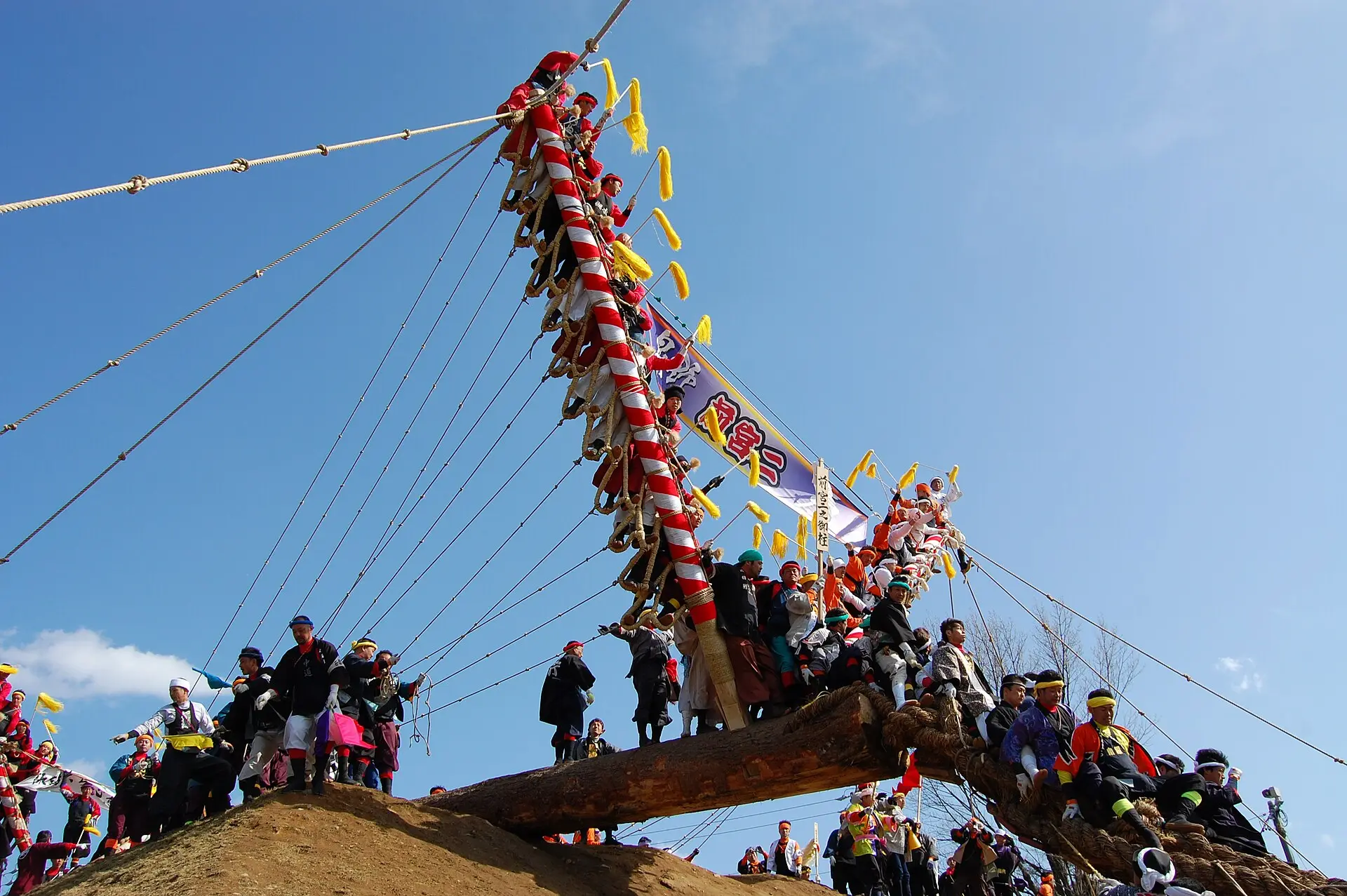
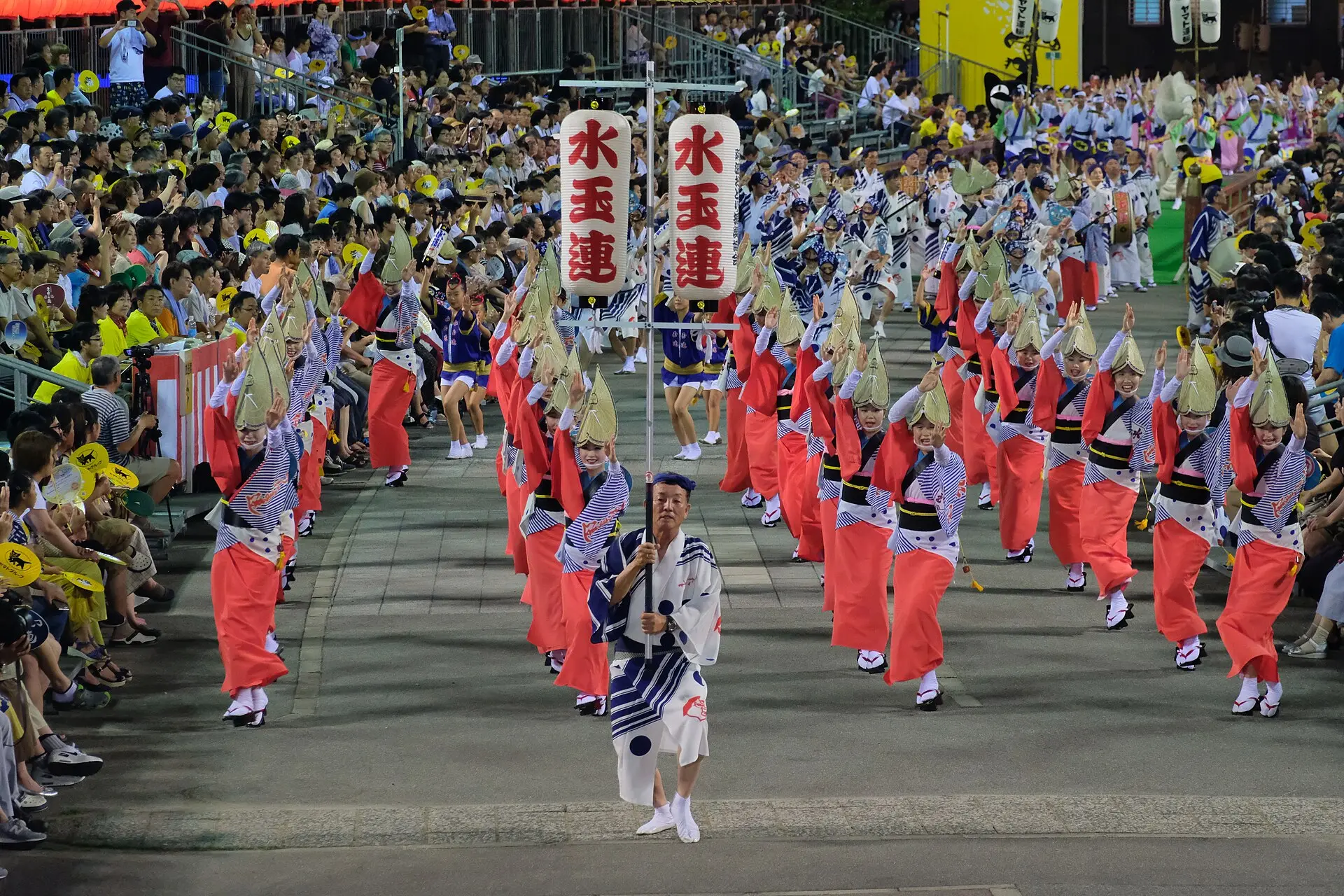
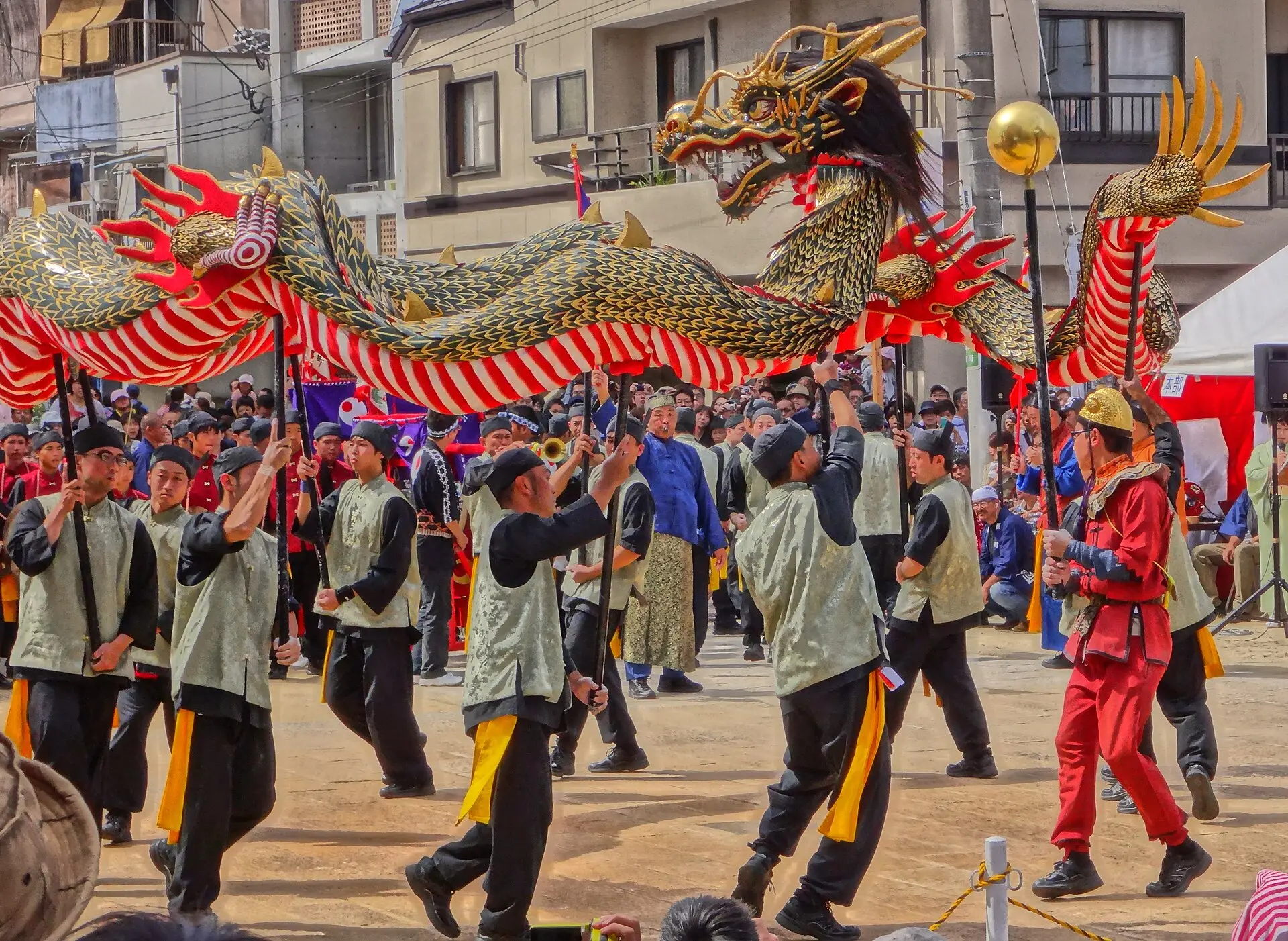
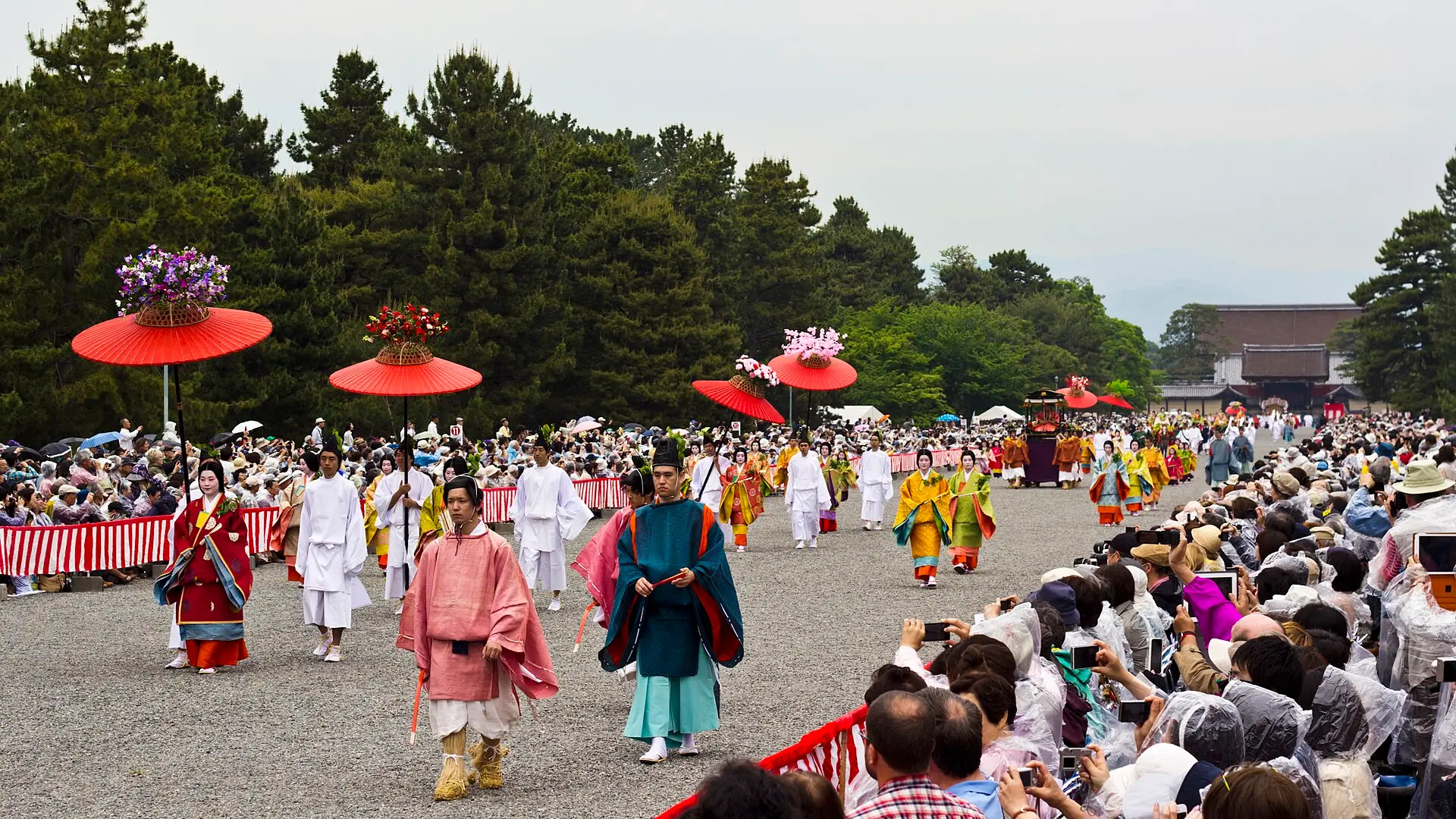
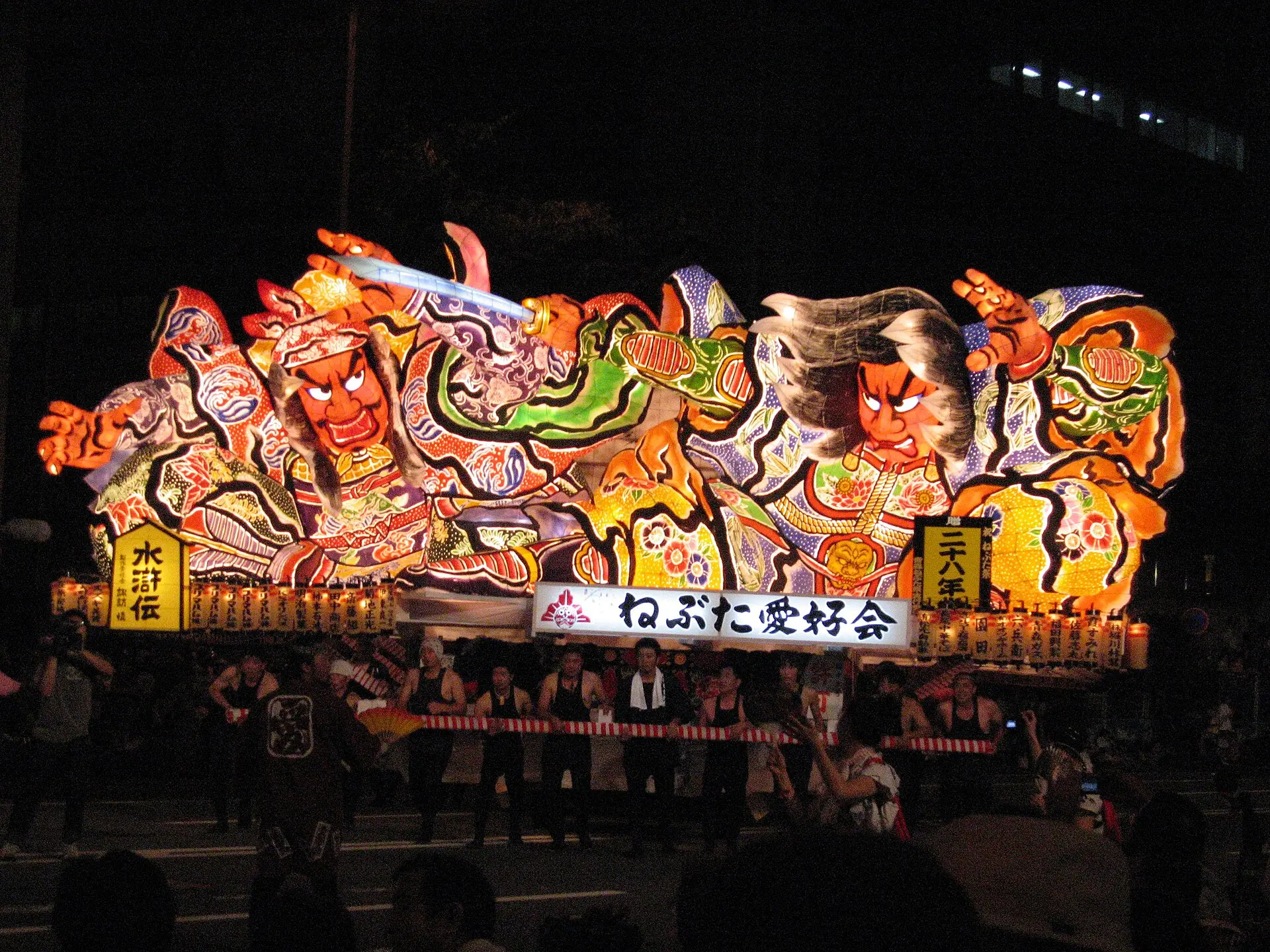
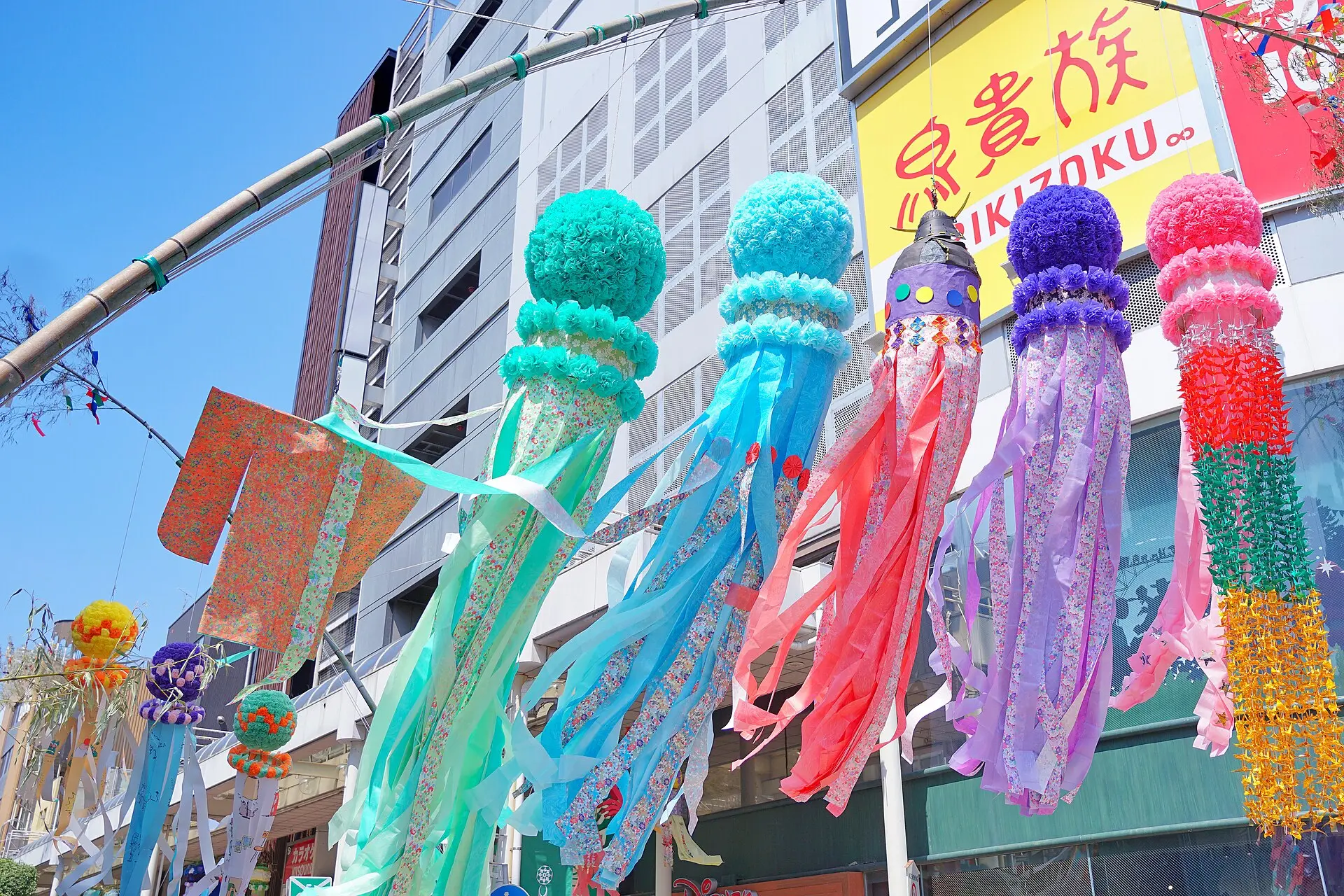
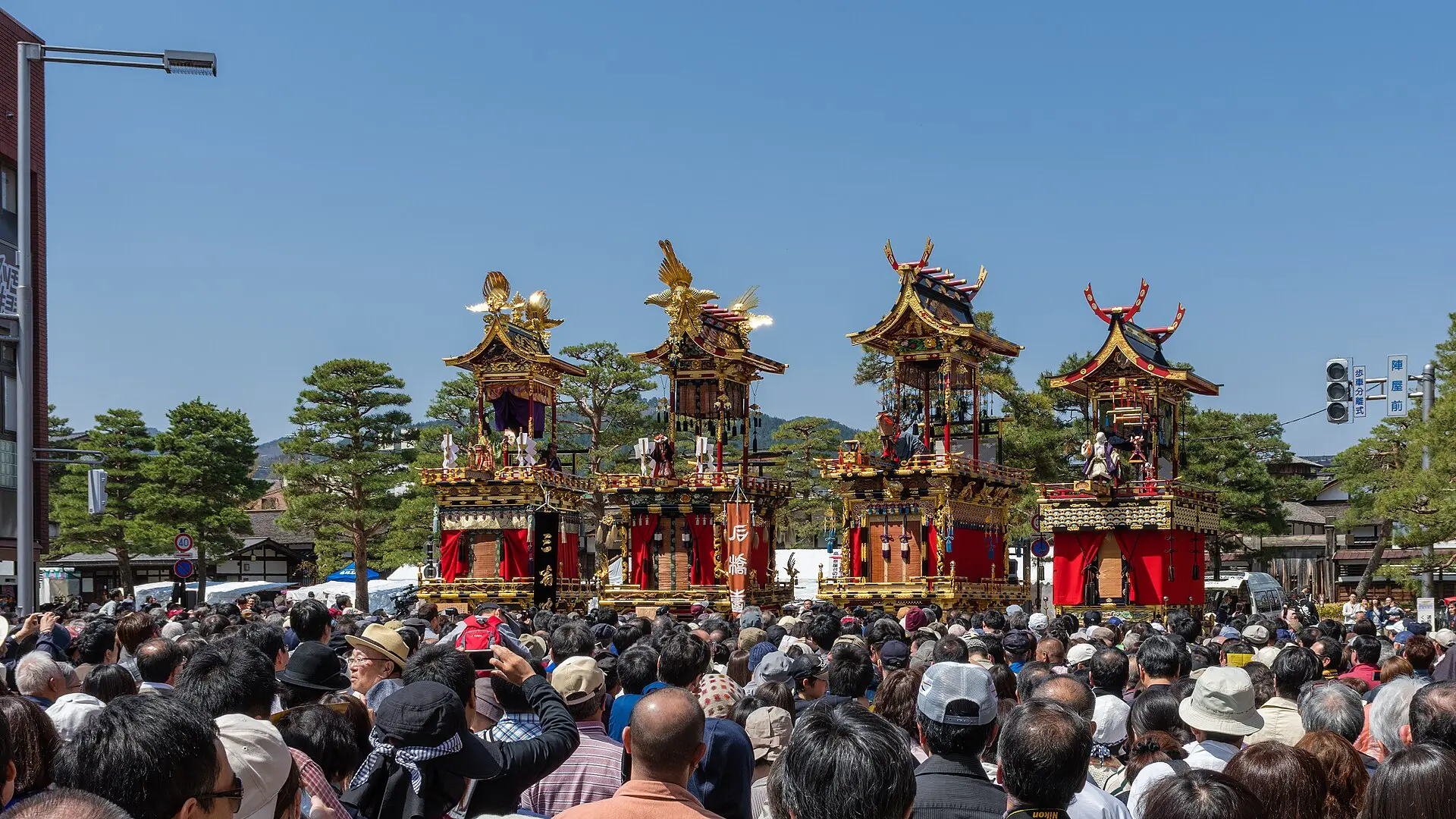
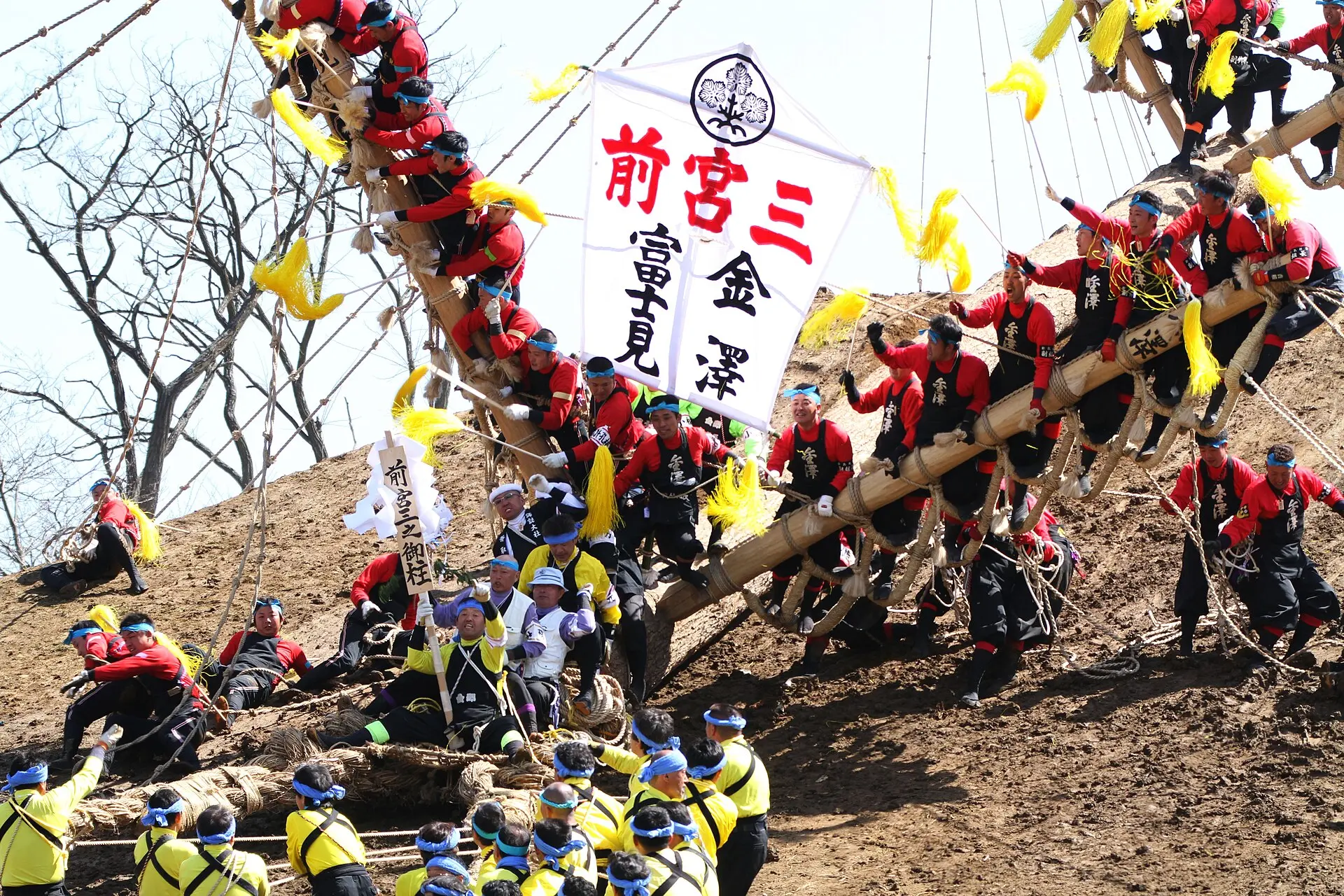
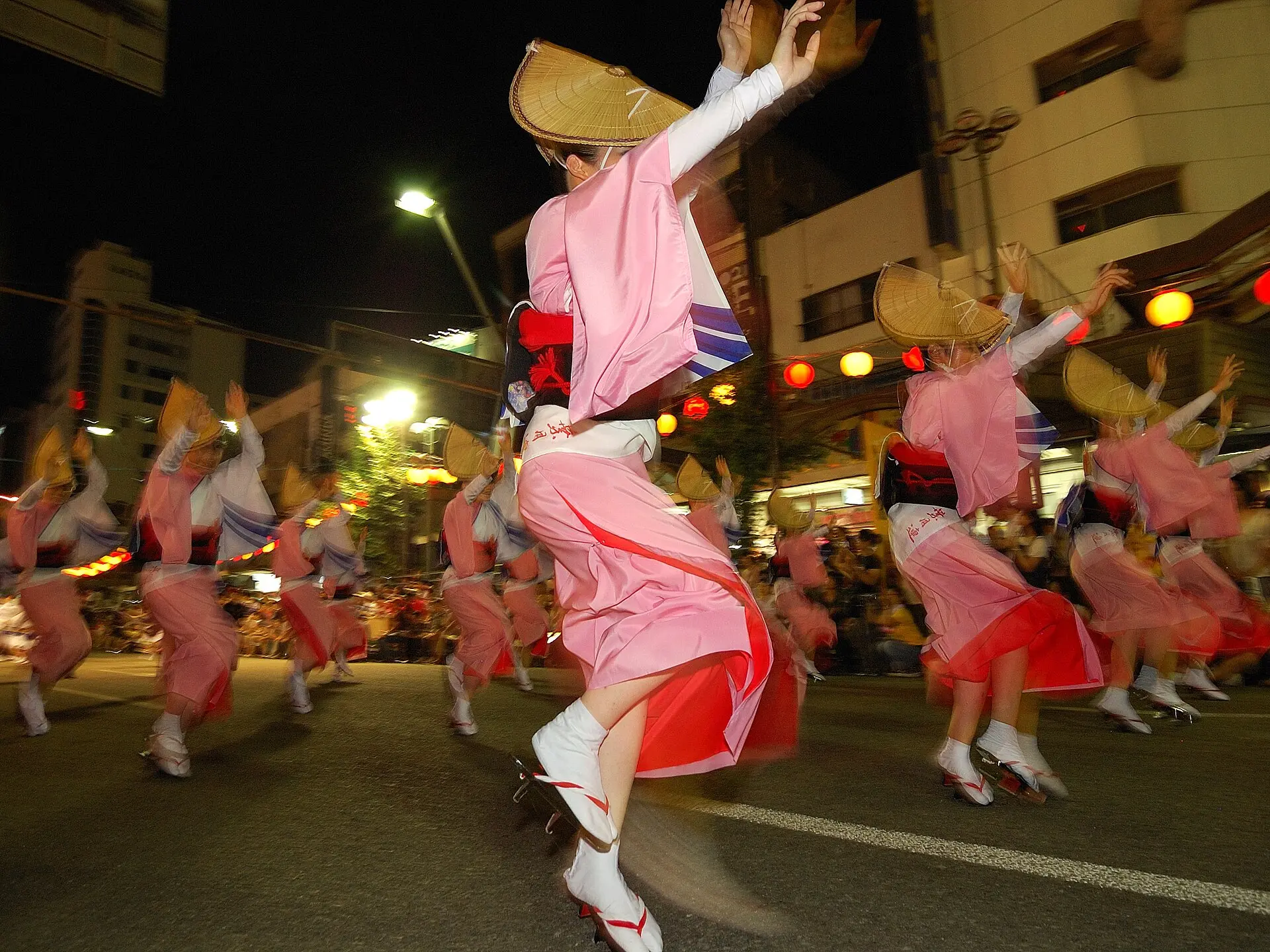
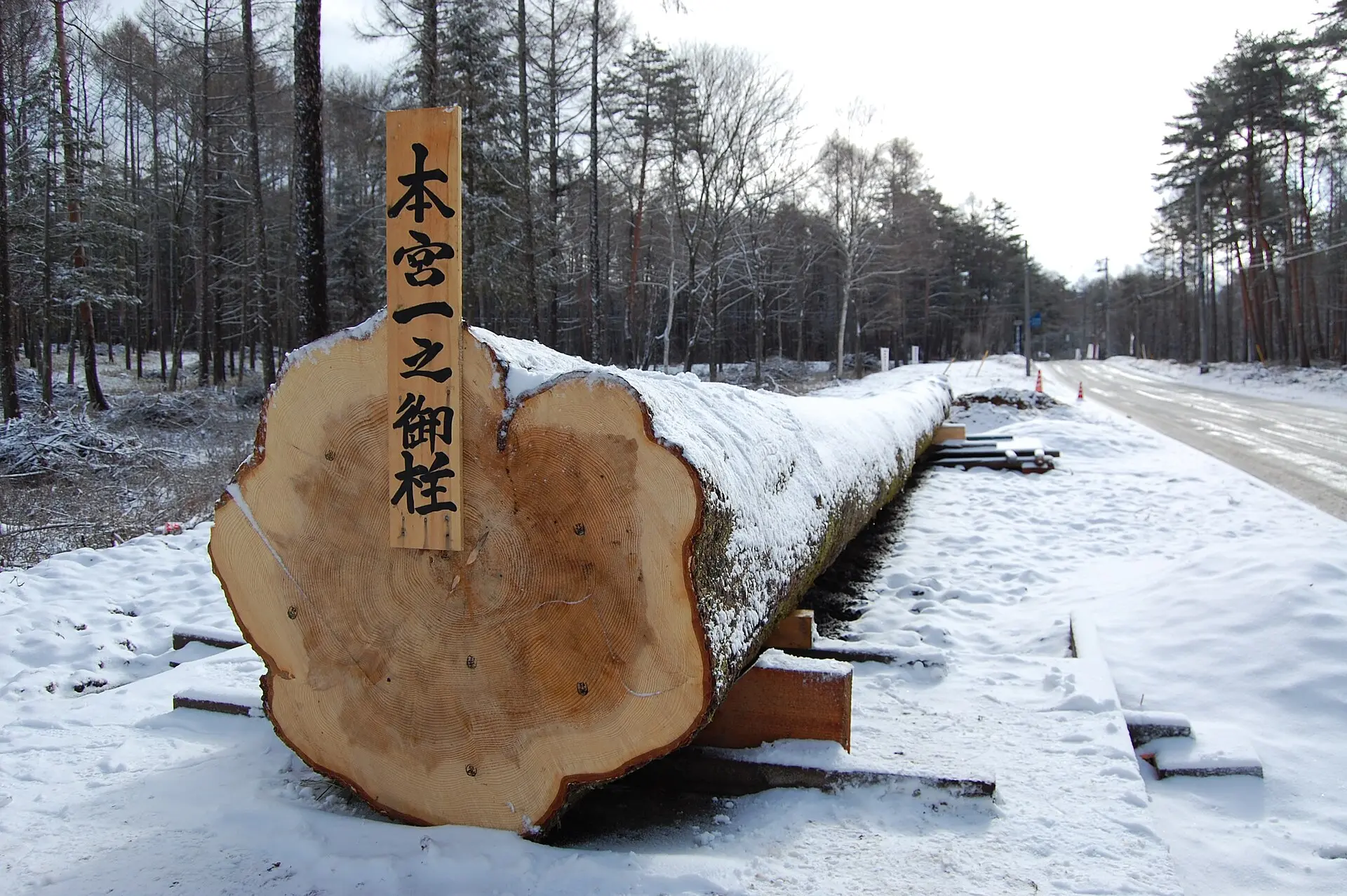
A giant illuminated nebuta float of warriors and a dragon glowing against the night in AomoriAomori Nebuta Festival青森ねぶた祭Giant pink and violet Tanabata streamers hanging under the glass roof of a Sendai shopping arcadeSendai Tanabata Festival仙台七夕まつりAn ornate Takayama Festival yatai float glowing with lantern light during the night processionTakayama Matsuri (Spring Sanno Festival and Autumn Hachiman Festival)高山祭(春の山王祭・秋の八幡祭)Men ride a massive fir log down the steep Kiotoshi slope at the Onbashira FestivalOnbashira Festival of Suwa Taisha諏訪大社式年造営御柱大祭(御柱祭)The Mizutamaren troupe dances in formation beneath lantern banners at the Awa Odori in TokushimaAwa Odori阿波おどりThe golden dragon of the Ja-odori dance twists after its pearl before crowds at Nagasaki KunchiNagasaki Kunchi長崎くんちThe Aoi Matsuri procession with red parasols and Heian court costumes crossing the Kyoto Imperial Palace groundsAoi Matsuri (Kamo Festival)葵祭(賀茂祭)The grand organiser's display at the Omagari All-Japan National Fireworks Competition, red stars filling the sky from the riverbank upwardOmagari Fireworks – National Fireworks Competition全国花火競技大会「大曲の花火」Star mine and chrysanthemum shells fill the sky at the 78th Tsuchiura All Japan Fireworks CompetitionTsuchiura All Japan Fireworks Competition土浦全国花火競技大会A nebuta float of two fierce warriors paraded through the street at night by its teamAomori Nebuta Festival青森ねぶた祭Pastel Tanabata streamers topped with paper balls and a paper kimono ornament against a blue skySendai Tanabata Festival仙台七夕まつりFour gilded Takayama Festival floats lined up under a blue spring sky before a large crowdTakayama Matsuri (Spring Sanno Festival and Autumn Hachiman Festival)高山祭(春の山王祭・秋の八幡祭)Red-coated parishioners cling to an Onbashira log on the slope beneath Kamisha Maemiya bannersOnbashira Festival of Suwa Taisha諏訪大社式年造営御柱大祭(御柱祭)Women dancers in pink kimono and straw amigasa hats move mid-step through a Tokushima street at nightAwa Odori阿波おどり
Hover a photograph to see the festivalImage Credits

02Iconic Festivals

ICONICFESTIVALSOF JAPAN.

Festivals that define the Japanese year

Descriptions and dates are based on official and cited sources.

The Minami Kannonyama float glowing with tiers of paper lanterns on a Gion Matsuri Yoiyama night

01京都府

Gion Matsuri祇園祭

The festival of Yasaka Shrine in Kyoto: a month of Shinto rites and float ceremonies running from the Kippuiri on July 1 to the Ekijinja Nagoshi-sai on July 31.

Typically
Annually throughout July, from the Kippuiri rite on July 1 to the Ekijinja Nagoshi-sai on July 31
Explore →
A giant illuminated nebuta float of warriors and a dragon glowing against the night in Aomori

02青森県

Aomori Nebuta Festival青森ねぶた祭

Illuminated lantern floats depicting heroic figures move through Aomori's summer nights to flute and drum, surrounded by haneto dancers calling out "Rassera." The tradition is designated a national Important Intangible Folk Cultural Property as "Aomori no Nebuta."

Typically
Annually, August 2–7
Explore →
The Mizutamaren troupe dances in formation beneath lantern banners at the Awa Odori in Tokushima

03徳島県

Awa Odori阿波おどり

A traditional performing art of Tokushima said to have more than 400 years of history. For four days over Obon, the centre of Tokushima City is given over to dance.

Typically
Annually for four days, August 12–15
Explore →

04福岡県

Hakata Gion Yamakasa博多祇園山笠

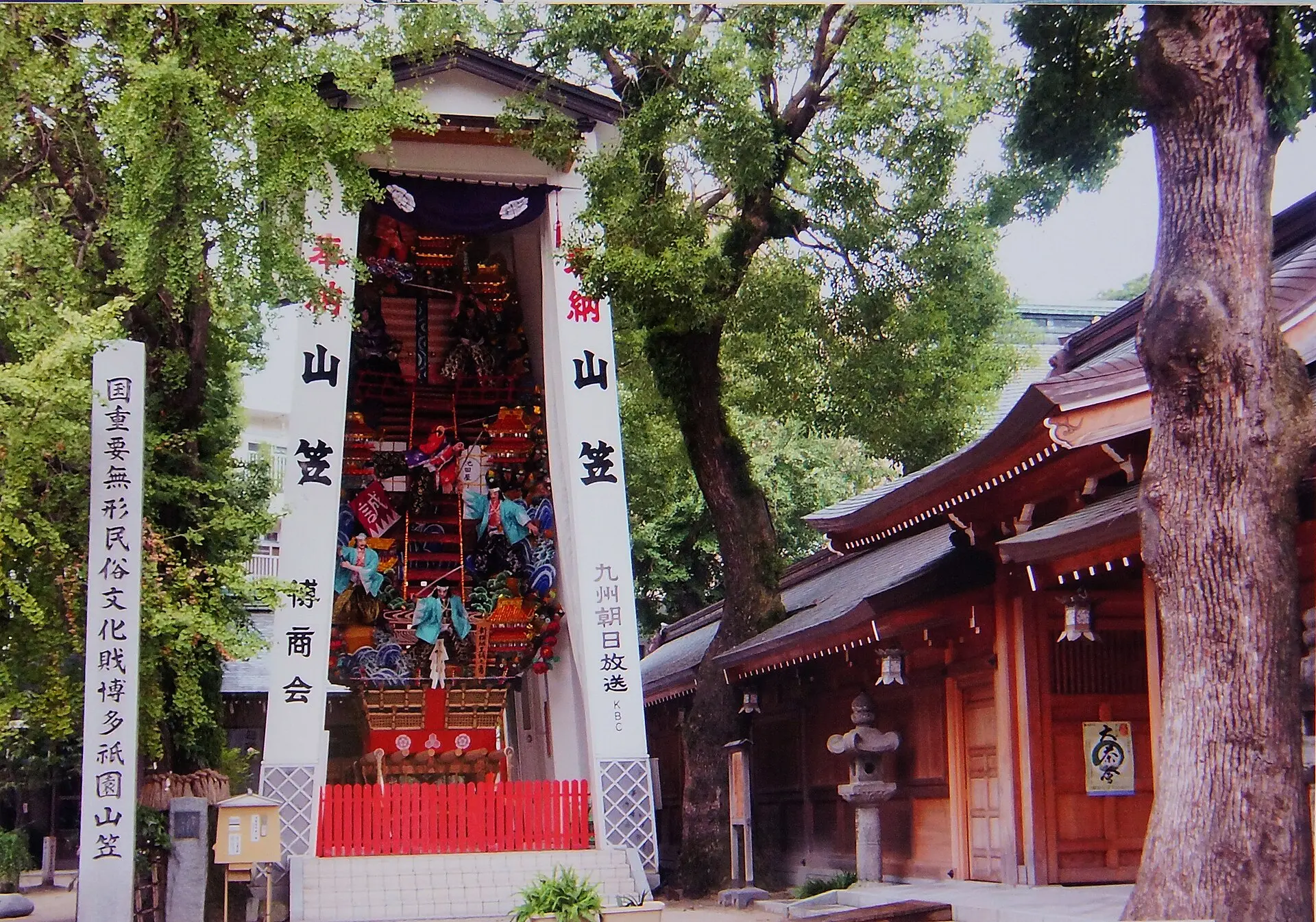
A rite offered at the summer festival of Kushida Shrine. From July 1 until the dawn Oiyamakasa on the 15th, the nagare districts of Hakata tend, carry and race their yamakasa floats.

Typically
Annually, July 1–15
Explore →
A Hakata Gion Yamakasa kakiyama float with warrior figures carried through Fukuoka by men in happi coats

06埼玉県

Chichibu Night Festival秩父夜祭

The grand annual festival of Chichibu Shrine, known for the hauling of its kasaboko and yatai floats, kabuki staged on the floats and fireworks in the winter sky. As "Chichibu Matsuri no Yatai Gyōji to Kagura" it is a national Important Intangible Folk Cultural Property and one of the UNESCO-inscribed "Yama, Hoko, Yatai, float festivals in Japan."

Typically
Annually, December 2 (eve) and December 3 (main festival)
Explore →
The golden dragon of the Ja-odori dance twists after its pearl before crowds at Nagasaki Kunchi

08長崎県

Nagasaki Kunchi長崎くんち

The autumn grand festival of Suwa Shrine, Nagasaki's tutelary shrine, known for its solemn divine procession and the varied dances offered by the odori-cho neighbourhoods.

Typically
Annually for three days, October 7–9
Explore →

03 — Explore by Season

EXPLOREBY SEASON.

Giant pink and violet Tanabata streamers hanging under the glass roof of a Sendai shopping arcade
Dozens of lantern-laden kanto poles bending over the crowd on Akita's Kanto Odori avenue at night
Four gilded Takayama Festival floats lined up under a blue spring sky before a large crowd
A giant illuminated nebuta float of warriors and a dragon glowing against the night in Aomori
The Mizutamaren troupe dances in formation beneath lantern banners at the Awa Odori in Tokushima

04 — Night

THE NIGHT COMES ALIVE.

DUSK

The sun sinks and the town begins to change colour.

LANTERNS

Lanterns are lit.

FLOATS

Floats dressed in light begin to move.

CROWD

Music and chants fill the street.

DANCE

Lines of dancers flow on into the night.

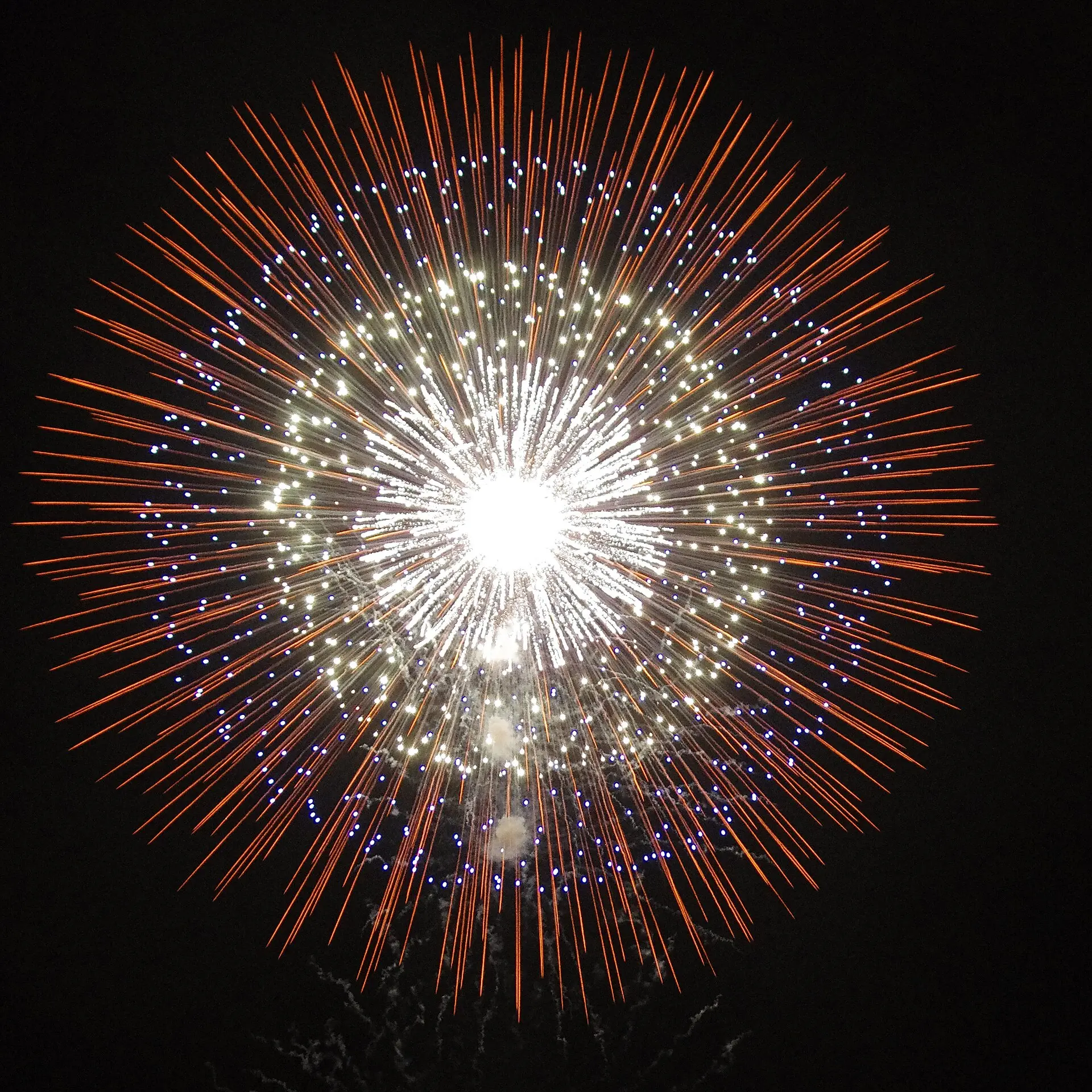
A perfectly round triple-core chrysanthemum shell opening against a pure black sky
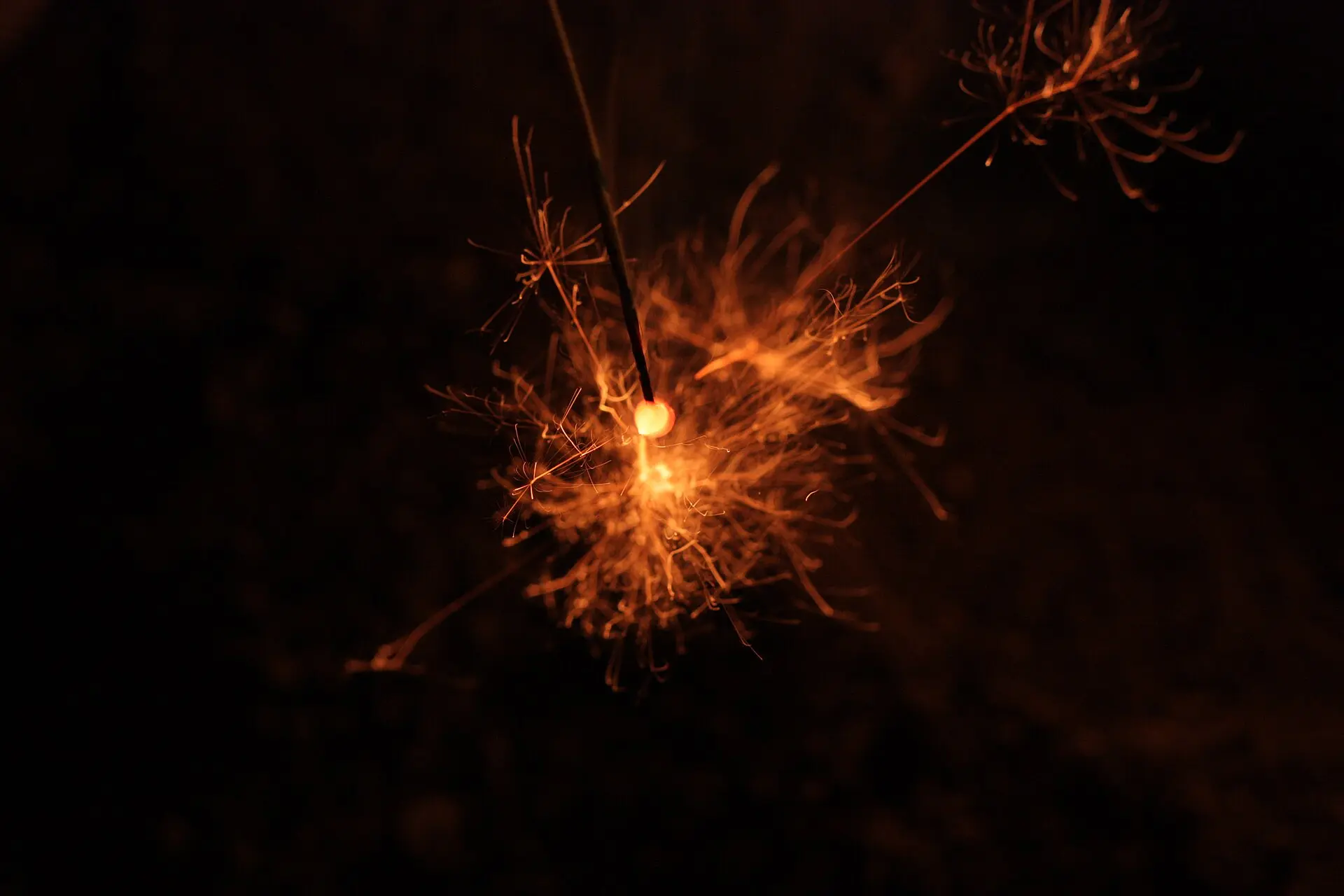
A senko-hanabi sparkler scattering fine pine-needle sparks in the dark
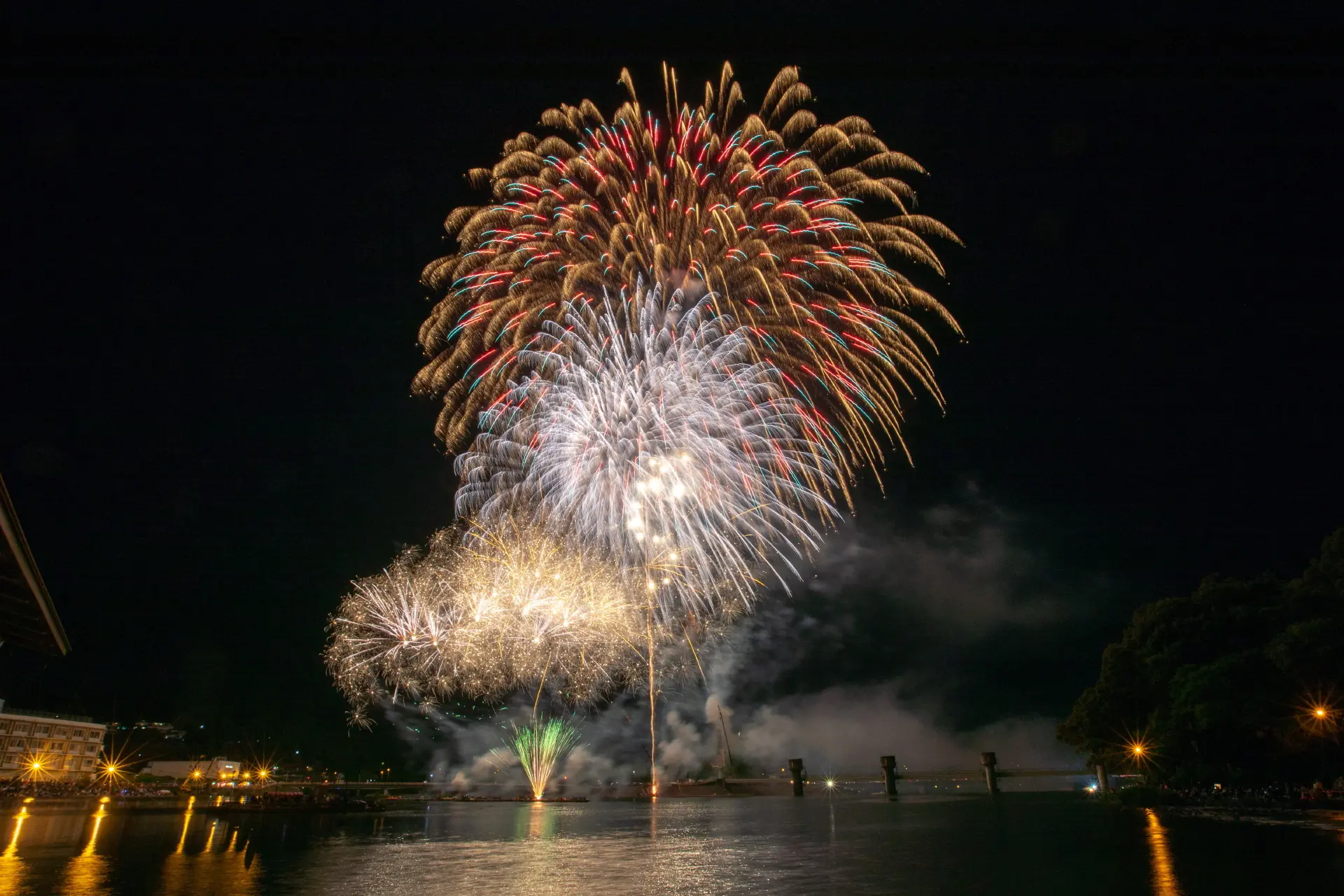
Fireworks mirrored on the Mikuma River at the Hita river-opening festival

05 — HANABI

FIREWORKS
OVER JAPAN.

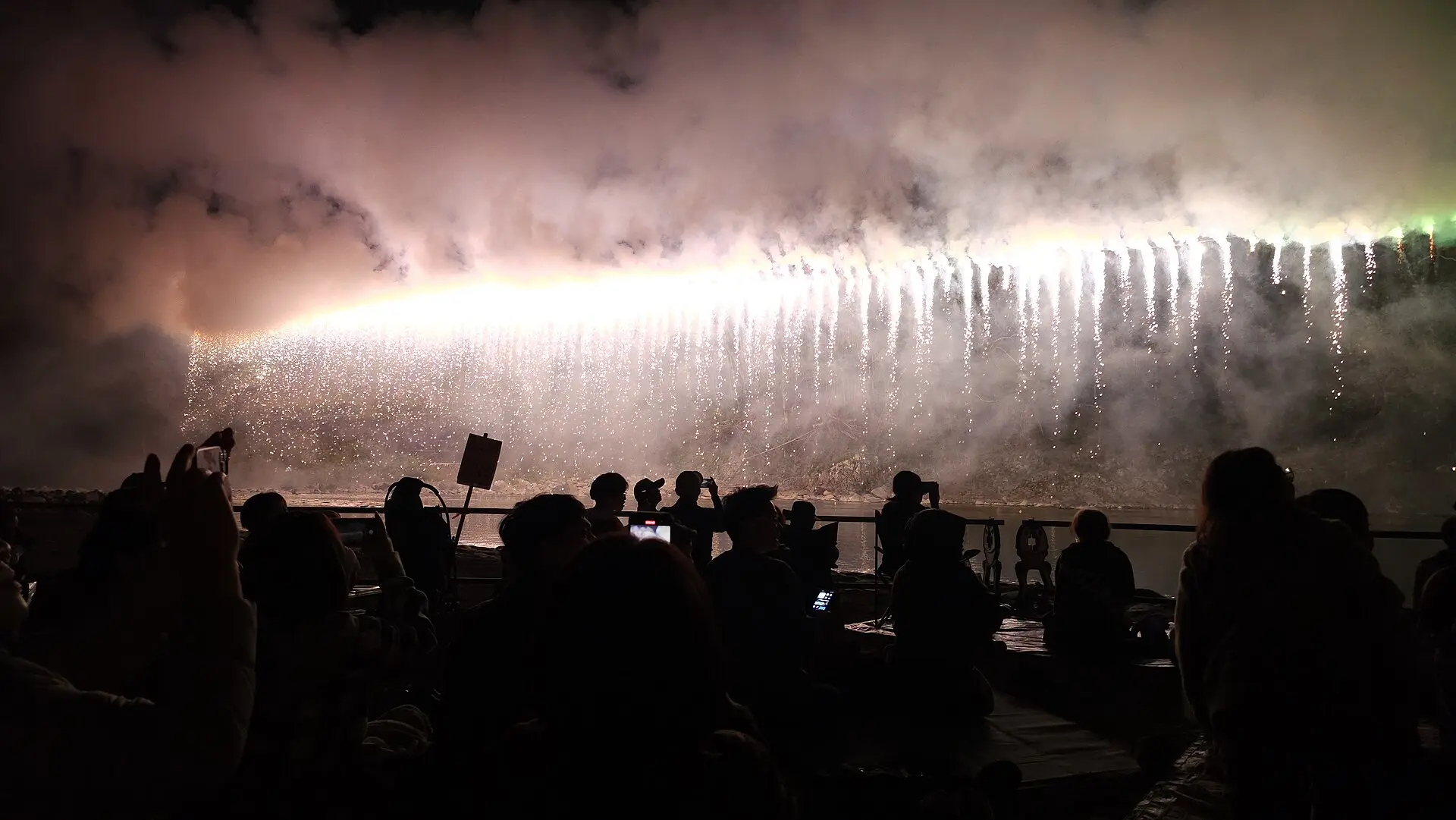
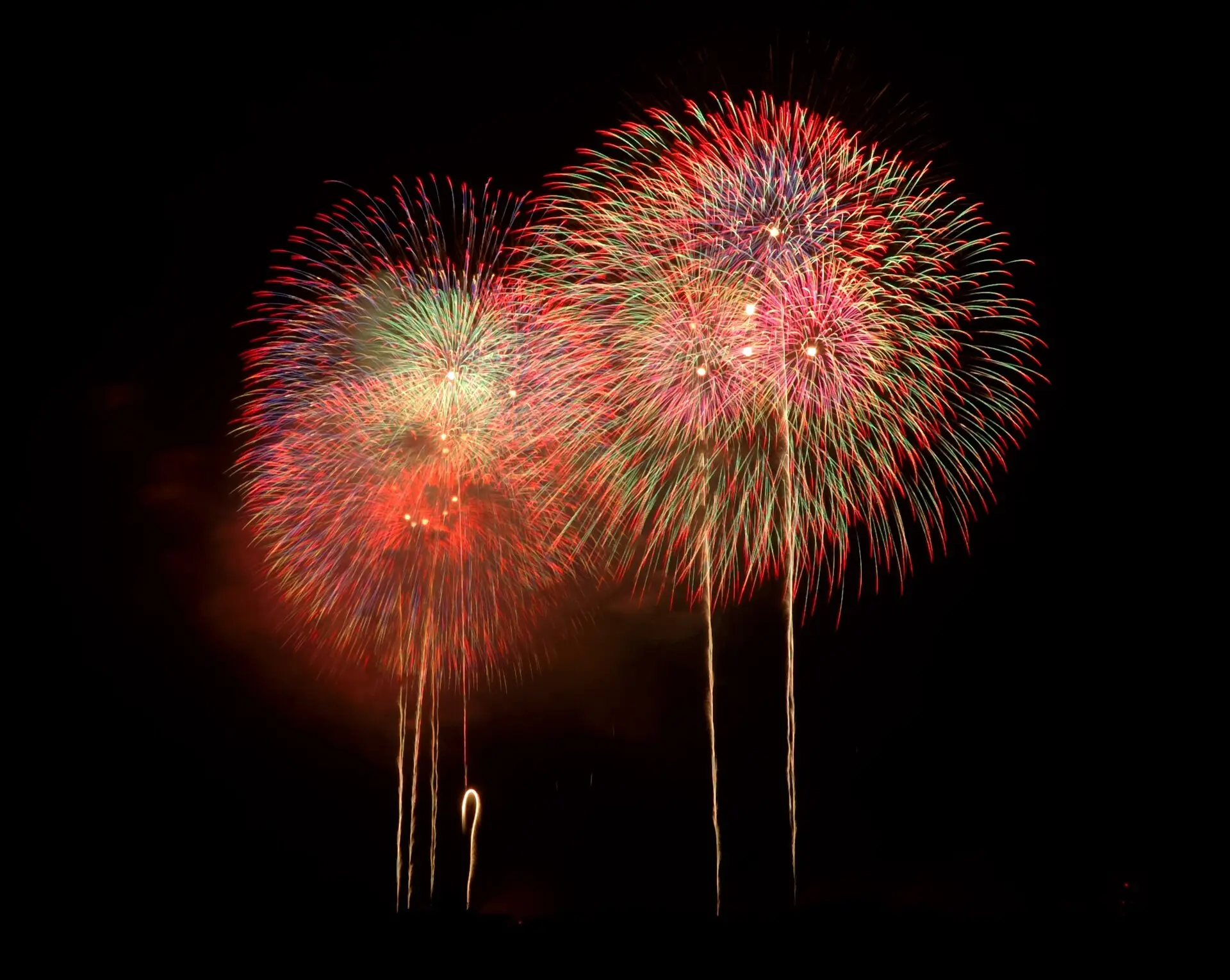
Blooming for an instant over a summer night and fading into smoke, fireworks are an art that gives everyone looking up the very same moment.

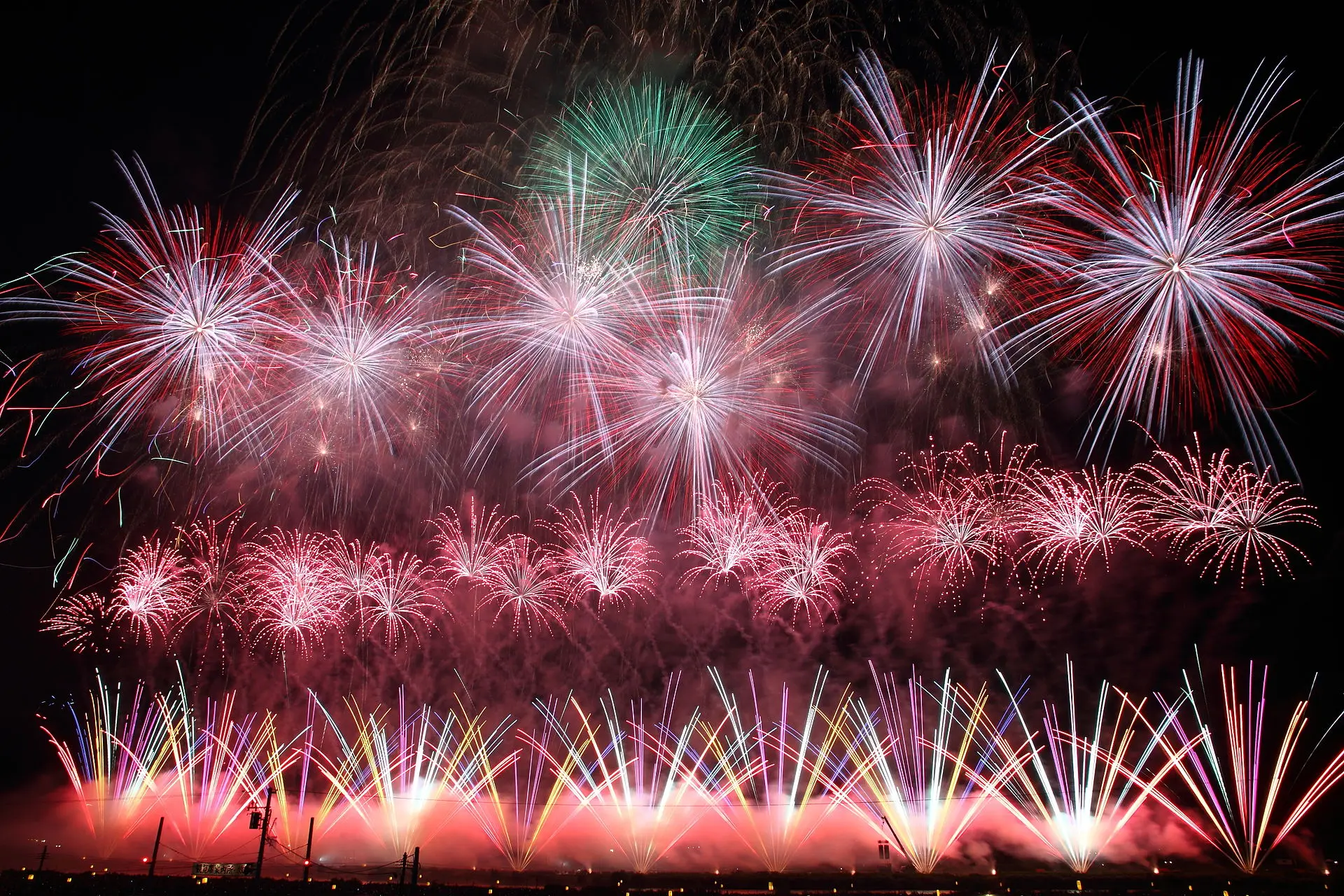
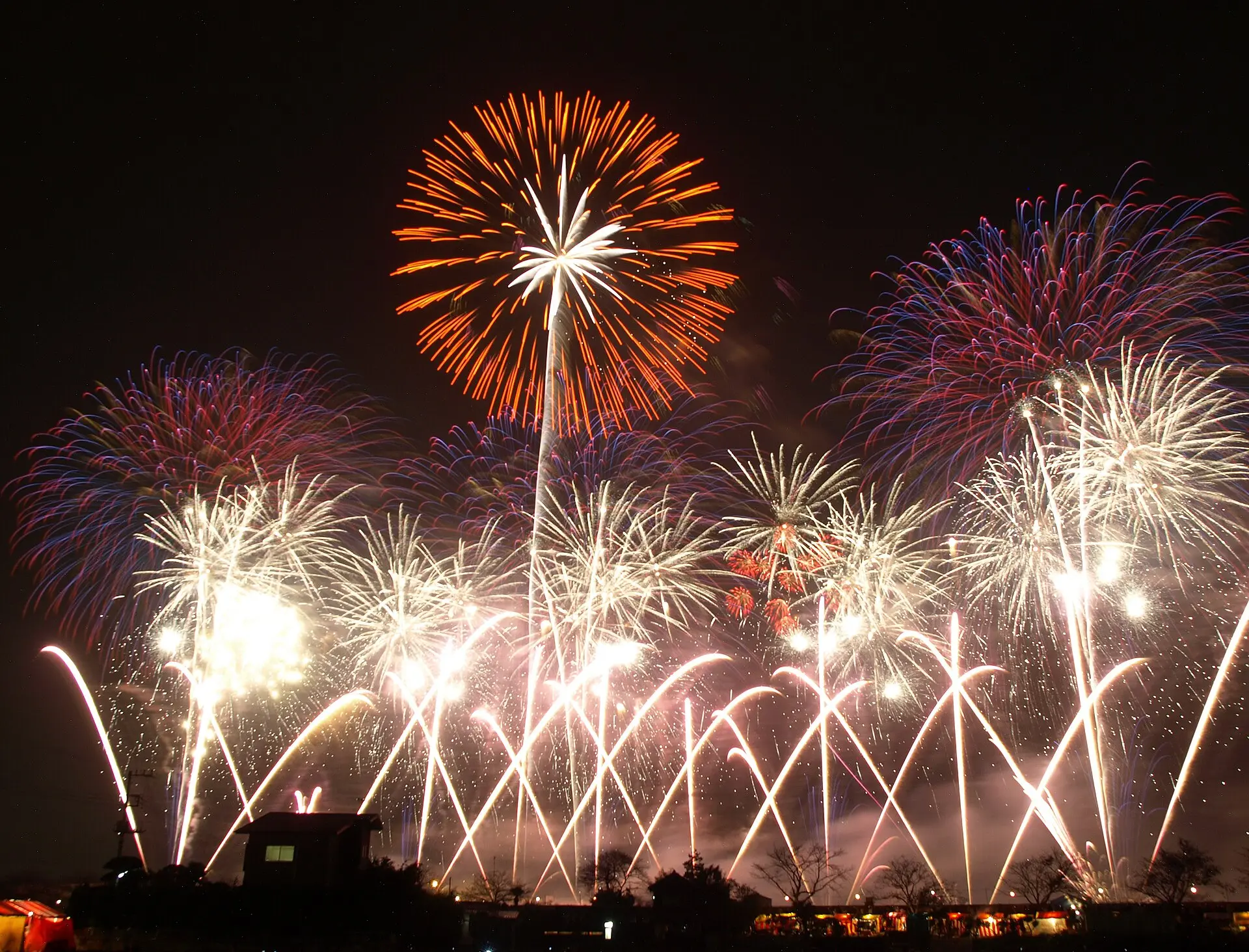
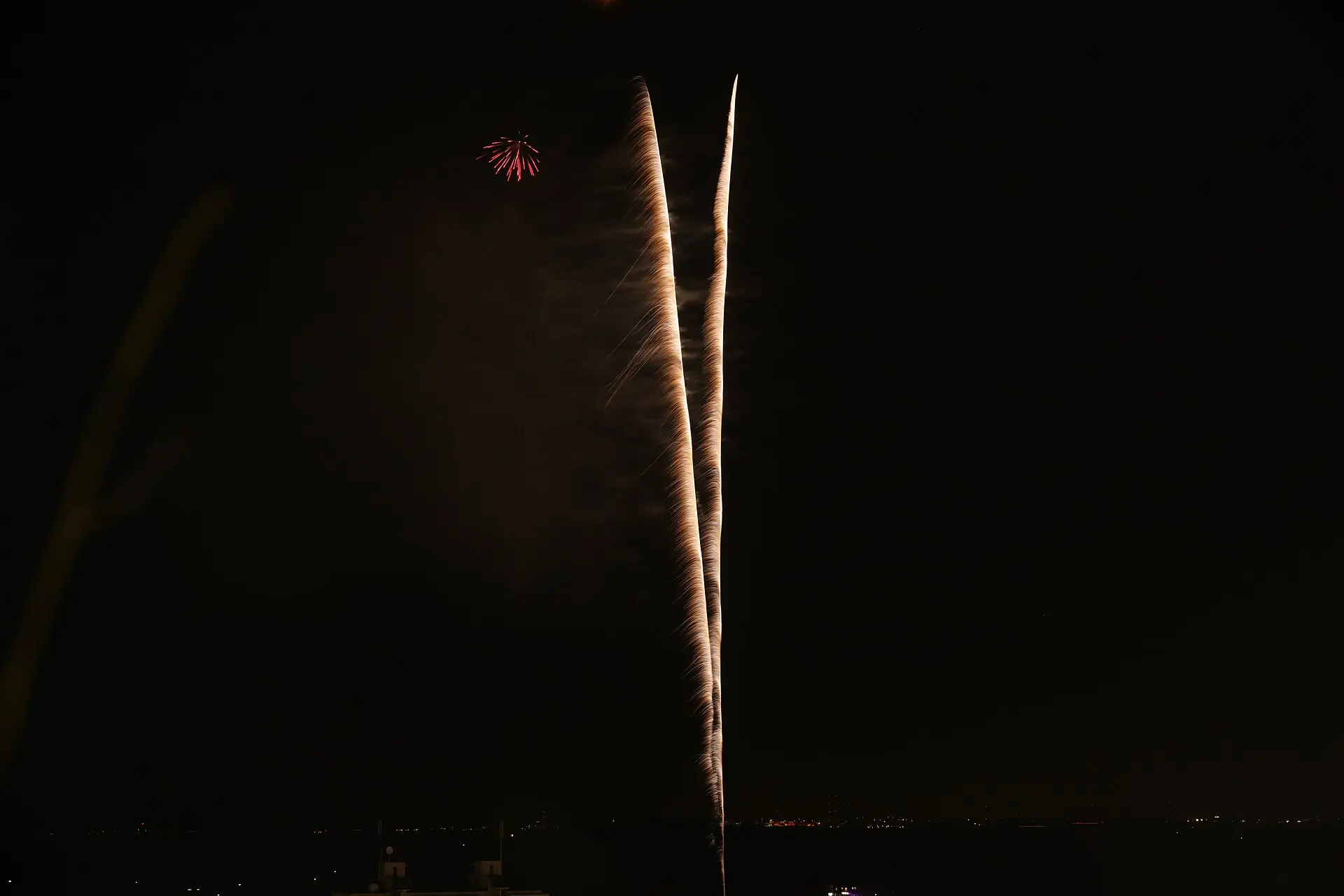
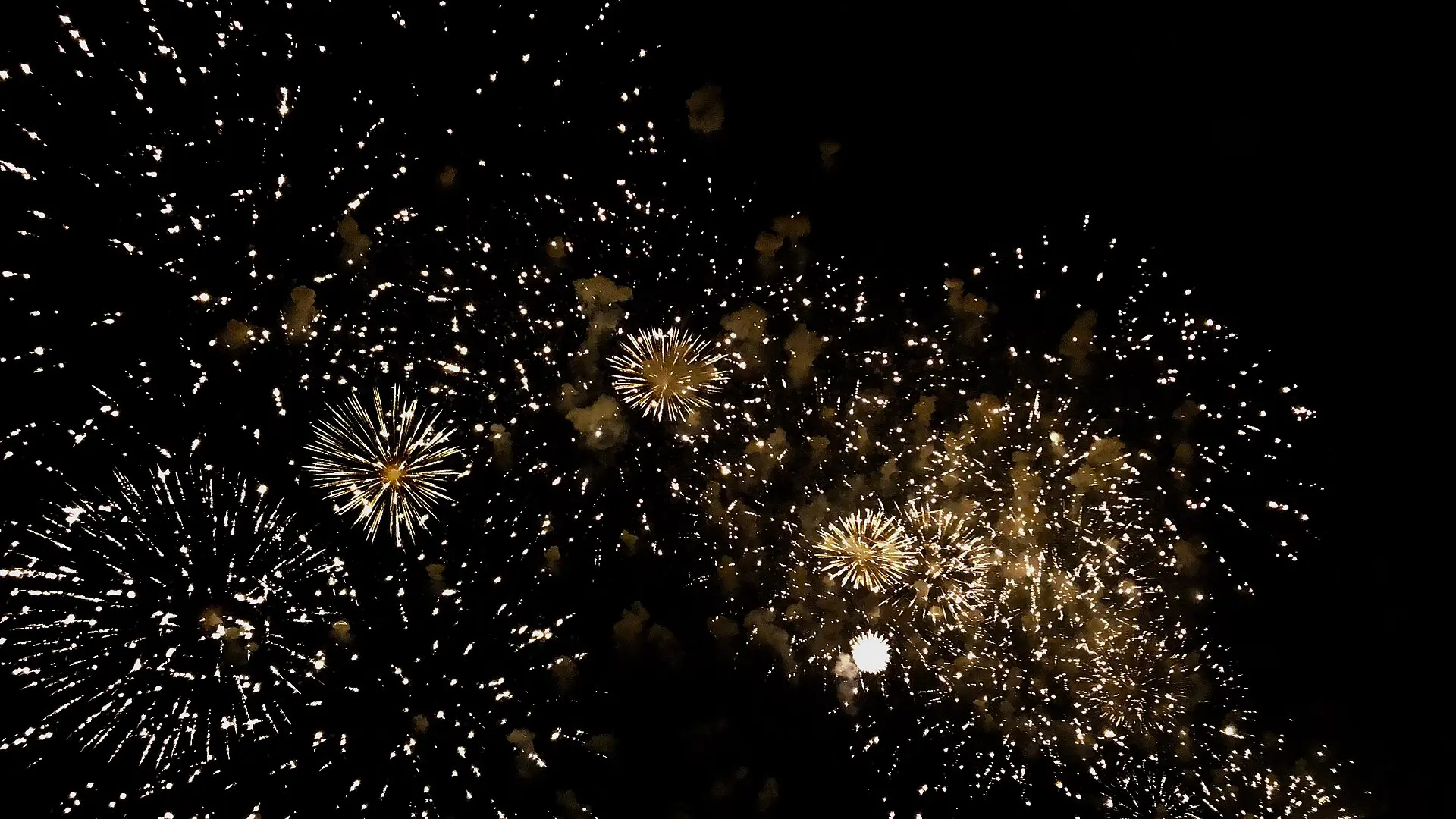
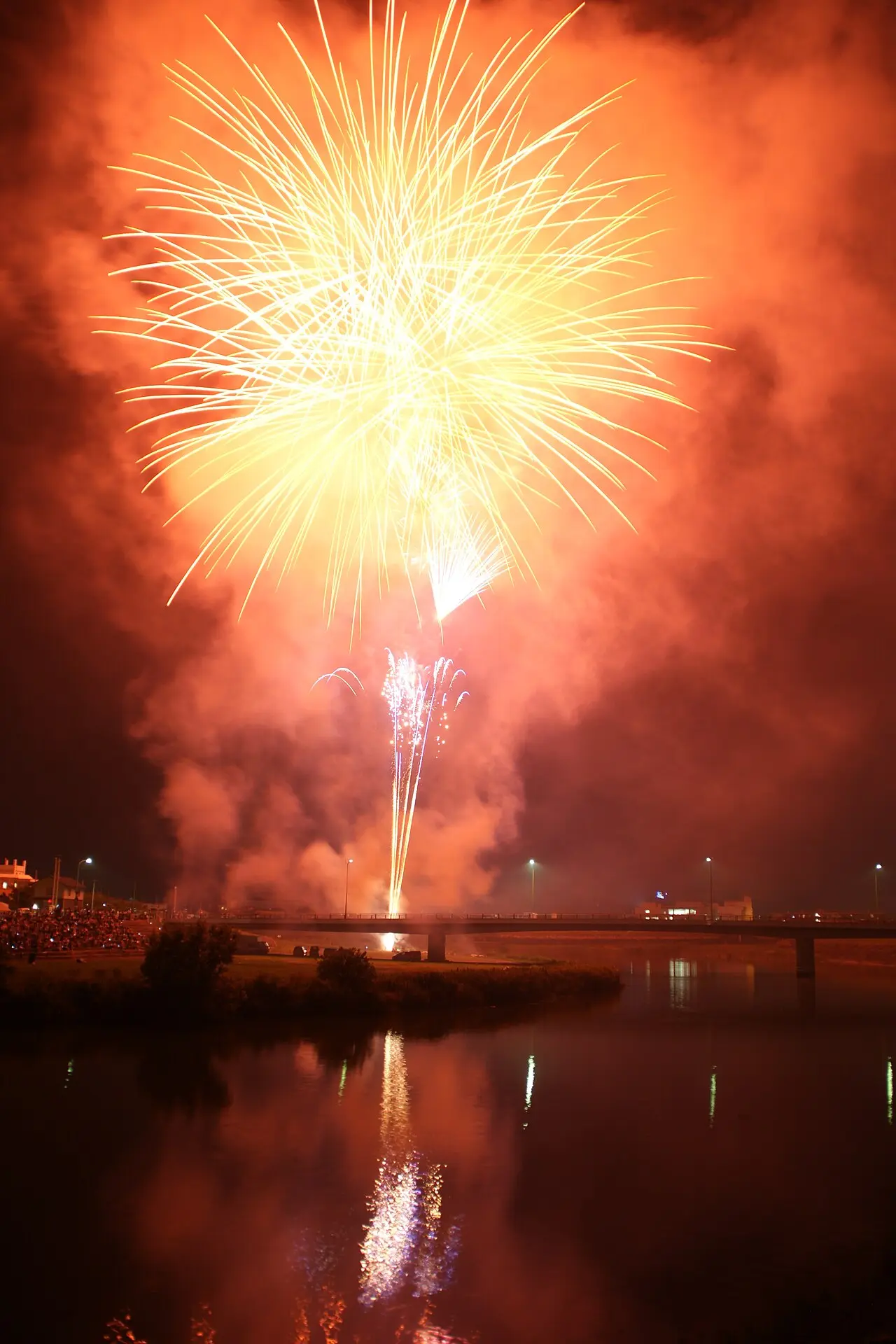
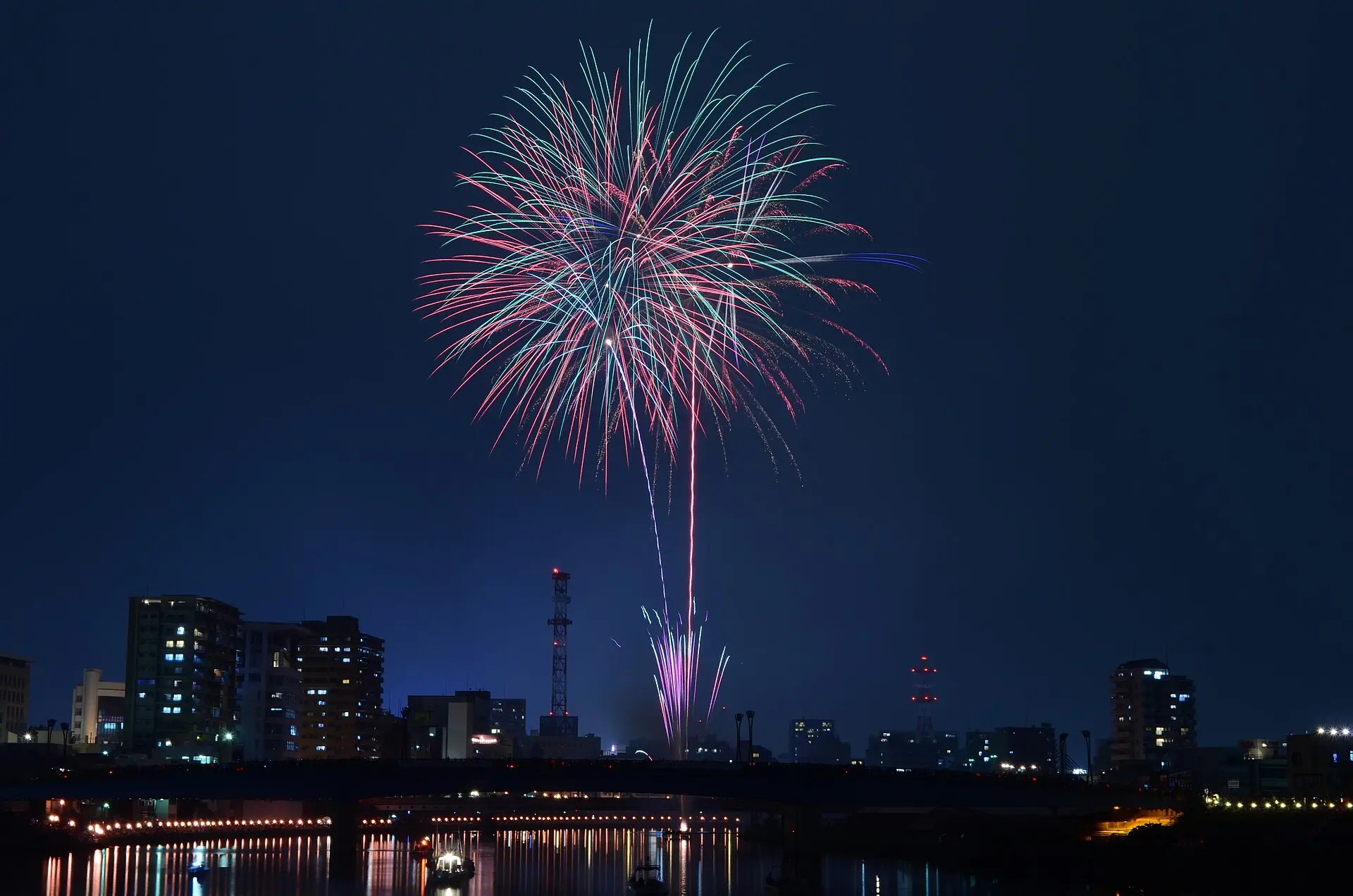
A perfectly round triple-core chrysanthemum shell opening against a pure black skyA senko-hanabi sparkler scattering fine pine-needle sparks in the darkFireworks mirrored on the Mikuma River at the Hita river-opening festivalSpectators in silhouette watch a cascade of white light glowing through drifting smokeThe rising trail of a giant five-shaku shell climbing into the black skyFading golden stars scattered across the night, the fleeting afterglow of a burstA golden burst glowing through red smoke and reflected on the river at a summer festival in AnanFireworks above the Kano River and city lights at blue hour during the Numazu Summer FestivalThe Phoenix fireworks at the Nagaoka Festival, a golden curtain of shells spanning the night sky over the Shinano RiverTwin chrysanthemum shells bloom side by side in the black sky at the Nagaoka Festival

All fireworks →

06Regions

EXPLOREBY REGION.

From Hokkaido to Okinawa

From snow festivals in the north to the great tug-of-war in the south, each festival reflects the climate and history of its land.

07Calendar

FESTIVALCALENDAR.

Month by month

Open the calendar →

08 — This Month

THIS MONTHIN JAPAN.

Events with officially confirmed dates are shown separately from those typically held at this time of year.

The Minami Kannonyama float glowing with tiers of paper lanterns on a Gion Matsuri Yoiyama night

09 — Story

Gion Matsuri: a thousand summers

From a rite to quell epidemics to floats adorned by the townspeople — a month of Kyoto summer carries the memory of prayer.

Read the story →
An ornate Takayama Festival yatai float glowing with lantern light during the night procession
A float moving through the night town — every light kept alive by its neighbourhood.Photo: 大野 一将 / Wikimedia Commons / CC BY-SA 4.0

10Cultural Heritage

CULTURALHERITAGE.

Heritage and the festivals

Festival heritage in Japan is recognised under several distinct systems — UNESCO's Intangible Cultural Heritage lists, national designations, and prefectural or municipal designations. What is designated also differs: a whole festival, a single rite, a technique or its floats. We never conflate them.

UNESCO Intangible Cultural Heritage: Yama, Hoko, Yatai float festivals2016
Festival rites centered on processions of floats (yama, hoko, yatai), carried out by whole communities to pray for local peace and protection from disaster. In 2016, 33 elements — all nationally designated Important Intangible Folk Cultural Properties — were inscribed on UNESCO's Intangible Cultural Heritage list, expanding the 2009 inscriptions of the Kyoto Gion Festival float ceremony and Hitachi Furyumono. Safeguarding includes training successors, documenting the events, securing materials and repairing or renewing equipment.Source: 山・鉾・屋台行事 - 文化遺産オンライン(文化庁)(external site, opens in a new tab)
UNESCO Intangible Cultural Heritage: Furyū-odori2022
On November 30, 2022, the 17th session of the Intergovernmental Committee for the Safeguarding of the Intangible Cultural Heritage decided to inscribe 'Furyū-odori'. The nomination expanded the 2009 inscription of 'Chakkirako' by grouping 41 furyū dances from across Japan, all nationally designated Important Intangible Folk Cultural Properties.Source: 「風流踊」のユネスコ無形文化遺産登録(代表一覧表記載) | 文化庁(external site, opens in a new tab)
Important Intangible Folk Cultural Properties2025
Folk cultural properties are the tangible and intangible traditions people have created and passed down in daily life — customs related to food, clothing, housing, livelihoods, beliefs and annual events; folk performing arts; folk techniques; and the clothing, tools and buildings used for them — that show how lives have changed. The national government designates especially important ones as Important Tangible or Important Intangible Folk Cultural Properties; there were 337 Important Intangible Folk Cultural Properties as of April 1, 2025. There are also registered intangible folk cultural properties and a category of intangible folk cultural properties selected for documentation.Source: 民俗文化財 | 文化庁(external site, opens in a new tab)
Prefectural and municipal designations
According to the Agency for Cultural Affairs, the national government enacts the Law for the Protection of Cultural Properties and designates, selects and registers important cultural properties, while local governments enact their own cultural-property protection ordinances and designate or select important properties other than those designated by the state. Prefectural and municipal designations are therefore a separate system, and a festival designated by a prefecture or city should be labeled distinctly from a national Important Intangible Folk Cultural Property.Source: 国,地方公共団体,所有者,国民の主な役割 | 文化庁(external site, opens in a new tab)

Designations of listed events (by designated subject)

EventSystemDesignated subjectYear
Gion MatsuriUNESCO Intangible Cultural HeritageUNESCO Intangible Cultural Heritage (Representative List)Yamahoko, the float ceremony of the Kyoto Gion festival (inscribed 2009; extended in 2016 as part of "Yama, Hoko, Yatai, float festivals in Japan")Festival as a whole2009
Nachi Ogi Matsuri (Nachi Fire Festival)UNESCO Intangible Cultural HeritageUNESCO Intangible Cultural Heritage (Representative List)Nachi no Dengaku, a religious performing art held at the Nachi fire festival (the dengaku only, not the festival as a whole)Rite2012
Chichibu Night FestivalUNESCO Intangible Cultural HeritageRepresentative List of the Intangible Cultural Heritage of HumanityYama, Hoko, Yatai, float festivals in Japan (component: Float Ceremony and Kagura of the Chichibu Festival)Festival as a whole2016
Takayama Matsuri (Spring Sanno Festival and Autumn Hachiman Festival)UNESCO Intangible Cultural HeritageUNESCO Intangible Cultural Heritage: Yama, Hoko, Yatai, float festivals in JapanTakayama Matsuri no Yatai Gyoji (float events of the Takayama Festival)Festival as a whole2016
Takaoka Mikurumayama FestivalUNESCO Intangible Cultural HeritageUNESCO Intangible Cultural Heritage: Yama, Hoko, Yatai, float festivals in JapanMikurumayama float event of the Takaoka Mikurumayama FestivalFestival as a whole2016
Hakata Gion YamakasaUNESCO Intangible Cultural HeritageUNESCO Intangible Cultural Heritage: Yama, Hoko, Yatai, float festivals in JapanHakata Gion Yamakasa Gyoji (Hakata Gion Yamakasa float event)Festival as a whole2016
Takayama Matsuri (Spring Sanno Festival and Autumn Hachiman Festival)National designationImportant Tangible Folk Cultural PropertyTakayama Matsuri Yatai (23 floats: 21 three-tiered floats and 2 kagura-tai floats)Floats1960
Takaoka Mikurumayama FestivalNational designationImportant Tangible Folk Cultural PropertyTakaoka Mikurumayama (7 floats)Floats1960
Chichibu Night FestivalNational designationImportant Tangible Folk Cultural PropertyThe kasaboko and yatai floats of the Chichibu FestivalFloats1962
Gion MatsuriNational designationImportant Tangible Folk Cultural PropertyGion Matsuri Yamahoko (29 floats)Floats1962
Nachi Ogi Matsuri (Nachi Fire Festival)National designationImportant Intangible Folk Cultural PropertyNachi no DengakuRite1976
Gion MatsuriNational designationImportant Intangible Folk Cultural PropertyFloat ceremonies of the Kyoto Gion Festival (Kyoto Gion Matsuri no Yamahoko Gyoji)Festival as a whole1979
Takayama Matsuri (Spring Sanno Festival and Autumn Hachiman Festival)National designationImportant Intangible Folk Cultural PropertyTakayama Matsuri no Yatai Gyoji (float events of the Takayama Festival)Festival as a whole1979
Takaoka Mikurumayama FestivalNational designationImportant Intangible Folk Cultural PropertyMikurumayama float event of the Takaoka Mikurumayama FestivalFestival as a whole1979
Hakata Gion YamakasaNational designationImportant Intangible Folk Cultural PropertyHakata Gion Yamakasa Gyoji (Hakata Gion Yamakasa float event)Festival as a whole1979
Nagasaki KunchiNational designationImportant Intangible Folk Cultural PropertyNagasaki Kunchi no Hono-odori (dance offerings of Nagasaki Kunchi)Rite1979
Aomori Nebuta FestivalNational designationImportant Intangible Folk Cultural PropertyAomori no NebutaFestival as a whole1980
Hirosaki Neputa FestivalNational designationImportant Intangible Folk Cultural PropertyHirosaki no NeputaFestival as a whole1980
Akita Kanto FestivalNational designationImportant Intangible Folk Cultural PropertyAkita no KantoFestival as a whole1980
Chichibu Night FestivalNational designationImportant Intangible Folk Cultural PropertyChichibu Matsuri no Yatai Gyōji to Kagura (Float Ceremony and Kagura of the Chichibu Festival)Festival as a whole1980
Nachi Ogi Matsuri (Nachi Fire Festival)National designationImportant Intangible Folk Cultural PropertyNachi no Ogi MatsuriFestival as a whole2015
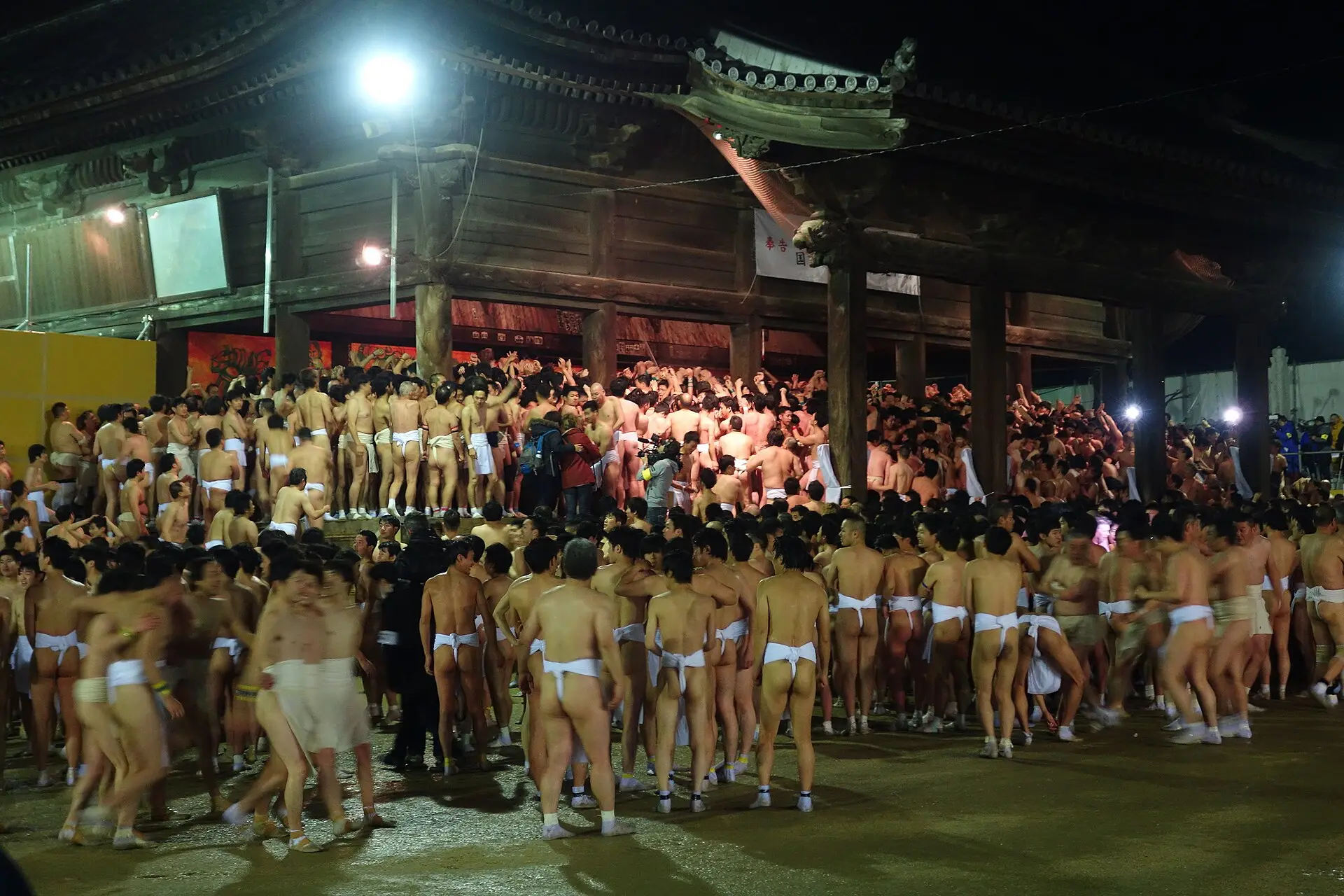
Saidaiji Eyo (Naked Festival)National designationImportant Intangible Folk Cultural PropertySaidaiji no EyoRite2016
A towering Hakata Gion Yamakasa kazariyama float standing in the grounds of Kushida Shrine

11People

PEOPLEBEHIND THEFESTIVAL.

Those who carry the festival

A festival is not only something to watch. Shrine bearers, musicians, dancers, float craftsmen, pyrotechnicians and the preservation societies who prepare all year — these are the people who carry it.

  • Aomori Nebuta Festival

    The preservation body is the Aomori Nebuta Festival Preservation Society; large floats from companies and organisations, neighbourhood and children's groups, musicians and haneto dancers carry the festival.

  • Hirosaki Neputa Festival

    The preservation body is the Hirosaki Neputa Preservation Society.

  • Akita Kanto Festival

    Carried by the sashite (pole performers) and musicians; the preservation body is the Akita City Kanto Association.

  • Sanja Matsuri

    The mikoshi are borne by members of the parish neighbourhood associations, and the binzasara dance is offered by parishioners.

  • Sannō Matsuri

    The Shinkōsai procession is carried out by shrine representatives and young parishioners.

  • Chichibu Night Festival

    The preservation body is the Chichibu Festival Preservation Committee.

  • Gion Matsuri

    The float ceremonies are carried out by each neighbourhood's chōjū organisation; the designated preservation body is the Gion Matsuri Yamahoko Rengokai (a public interest foundation).

  • Takayama Matsuri (Spring Sanno Festival and Autumn Hachiman Festival)

    Each float is maintained by its yatai-gumi; the designated preservation bodies for the festival are the Hie Shrine parishioners' Sanno Festival Preservation Society and the Hachiman Shrine parishioners' Hachiman Festival Preservation Society.

12Videos

FESTIVALSIN MOTION.

Watch

Videos published on the official channels of organisers, municipalities and tourism boards, quoted and introduced here. Feel the air of each festival through sound and movement.

All videos →
Yasaka Shrine's record of the Gion Matsuri's Saki-matsuri (July 17) week held during the COVID-19 pandemic.Source: YouTube · 【公式】京都祇園 八坂神社 / Yasaka-jinja Shrine (Official (organiser)) · Watch on YouTube
Official 4K video of the 2023 Aomori Nebuta Festival from the festival's official channel.Source: YouTube · 青森ねぶた祭 (Official (organiser)) · Watch on YouTube
Official stream of the August 15, 2026 Awa Odori by the Awa Odori organizing committee.Source: YouTube · 阿波おどり未来へつなぐ実行委員会 (Official (organiser)) · Watch on YouTube

14 — New Year

FIRSTPRAYEROF THE YEAR.

一年のはじまりを、 祈りとともに。

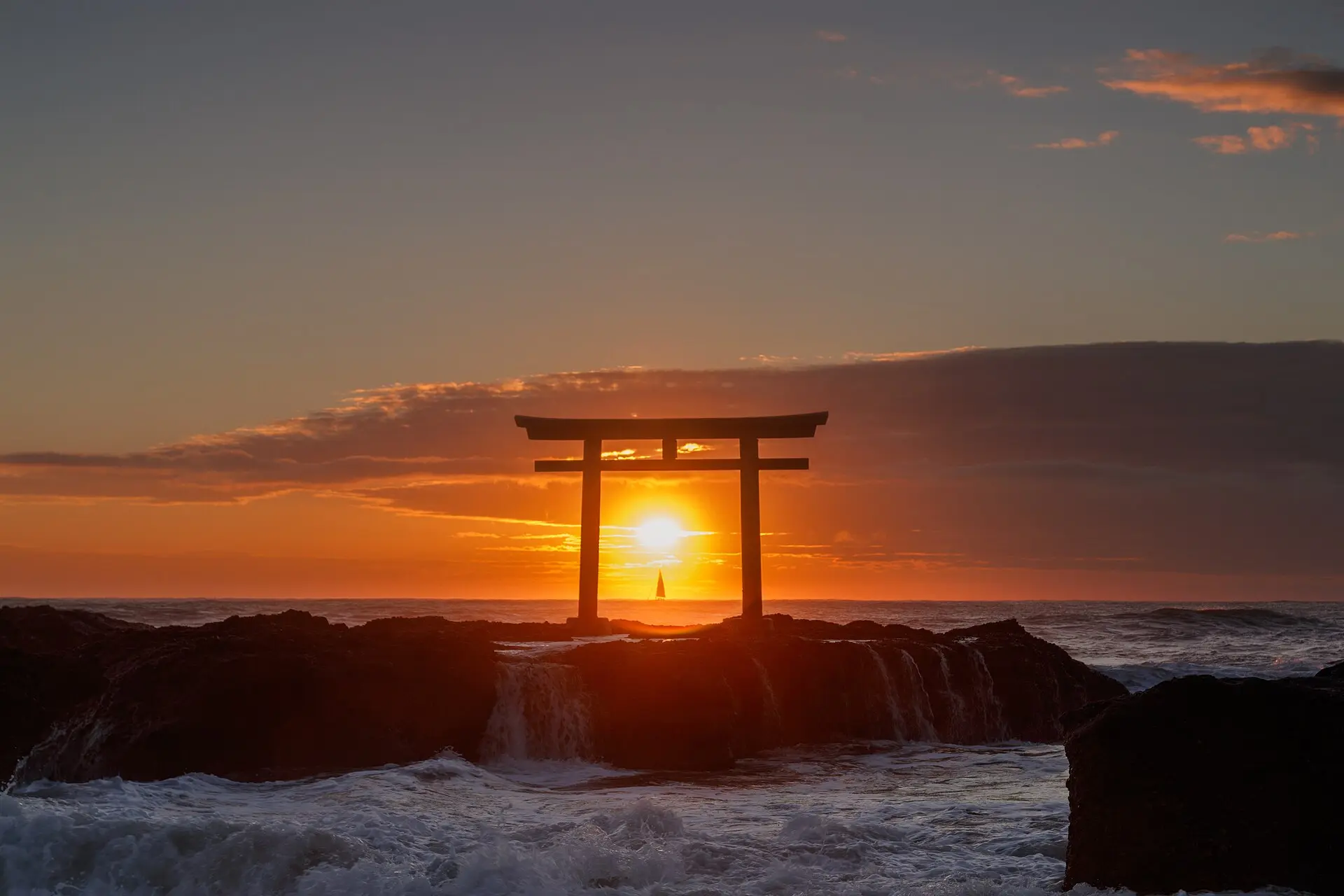
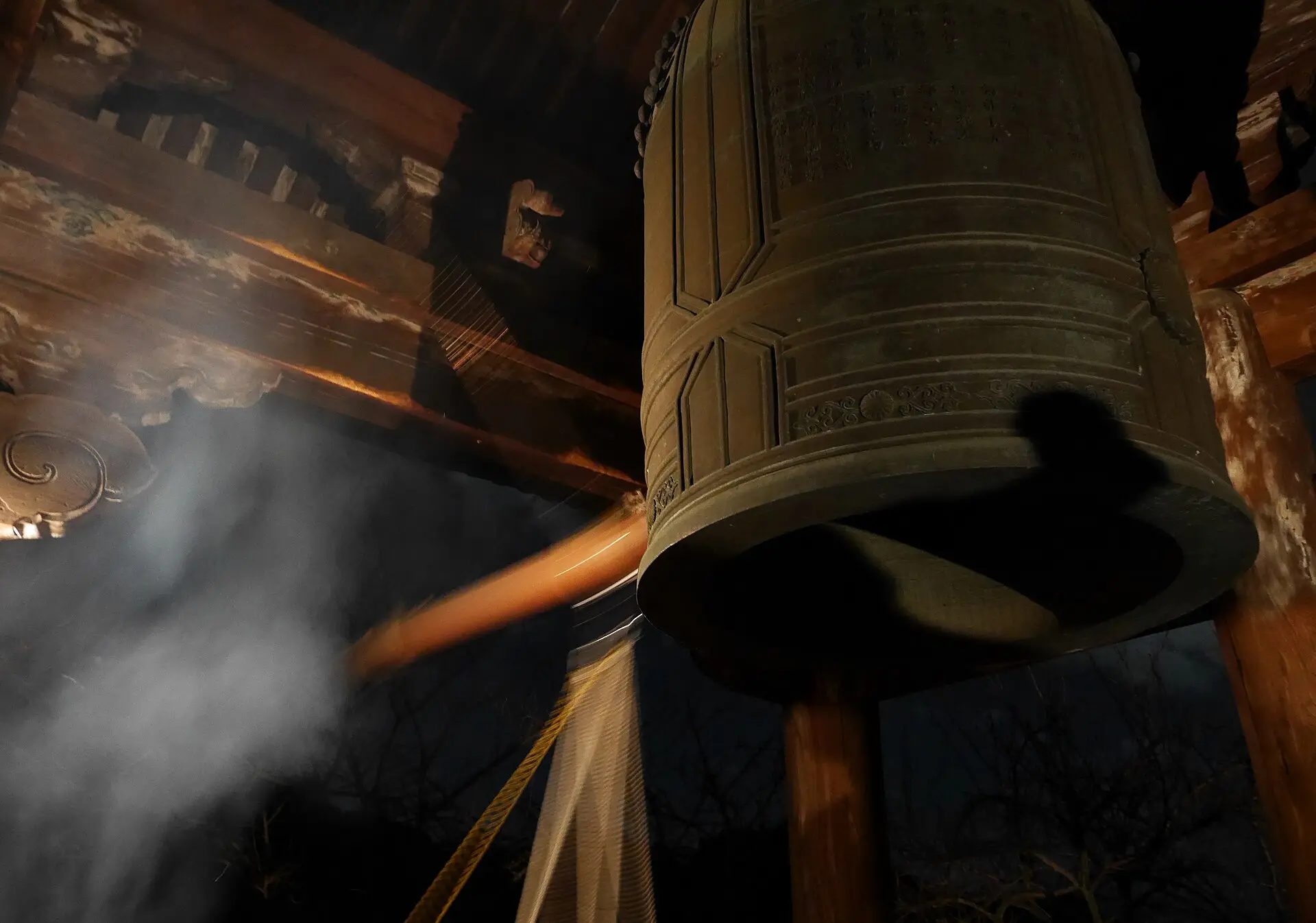
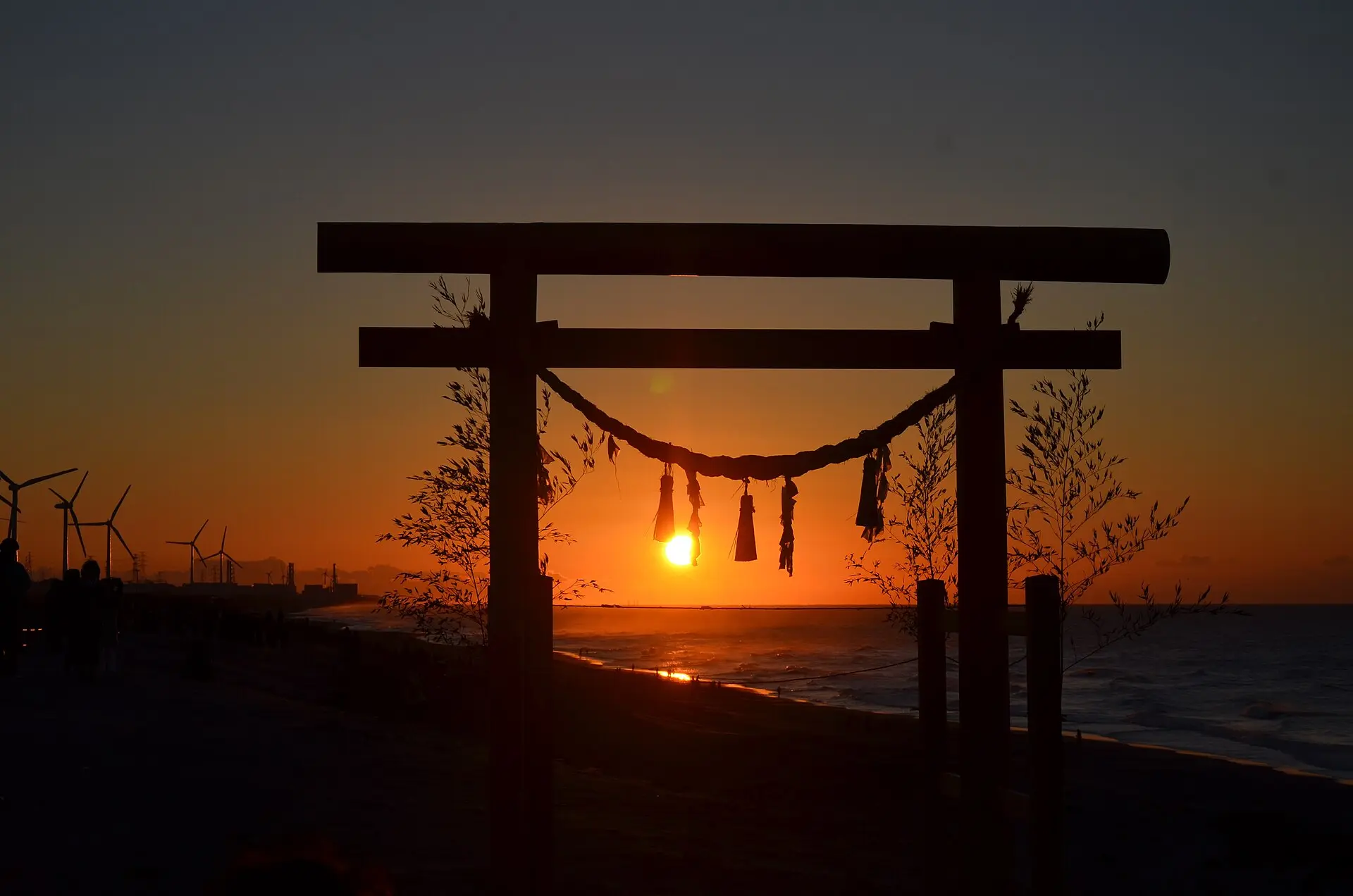
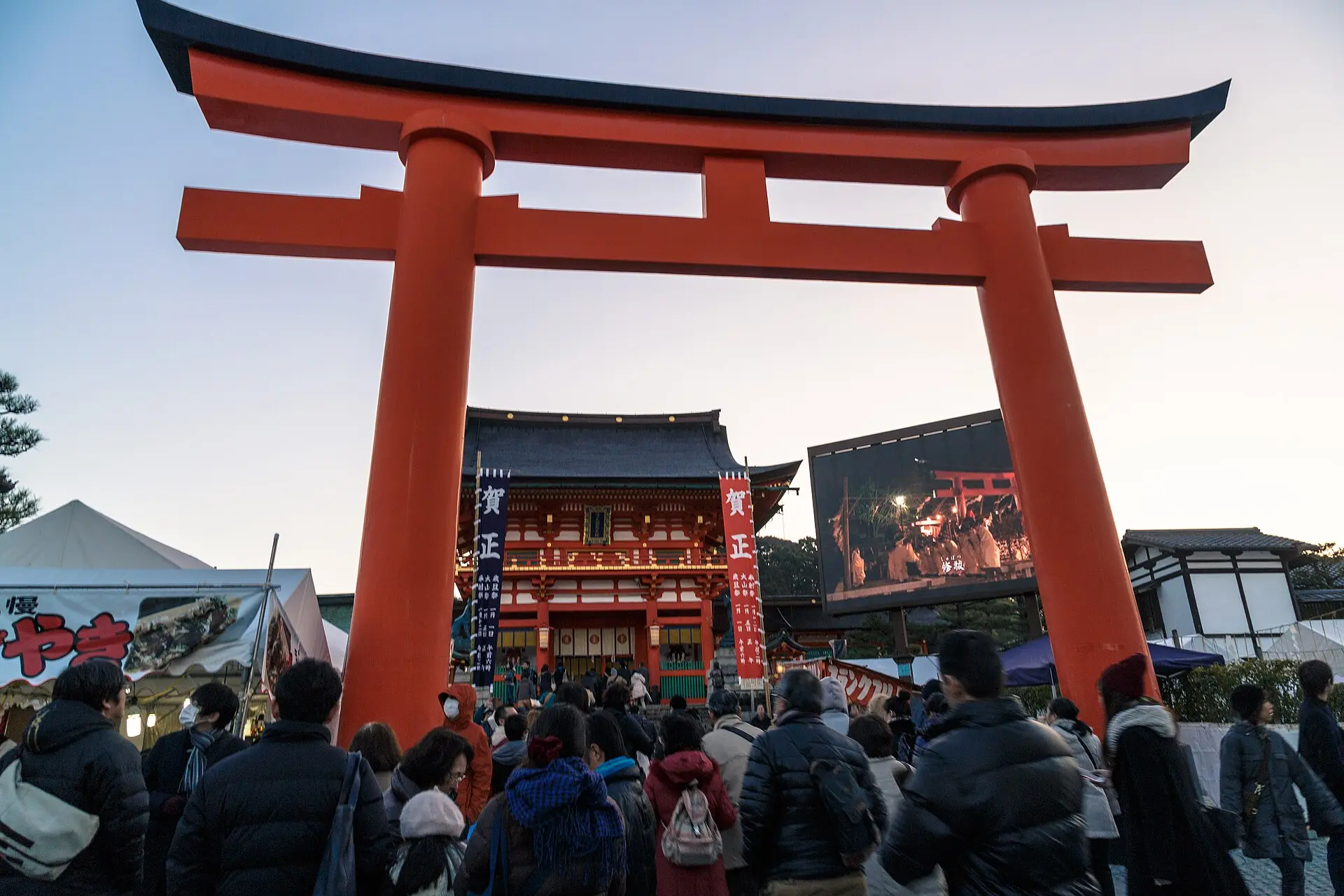
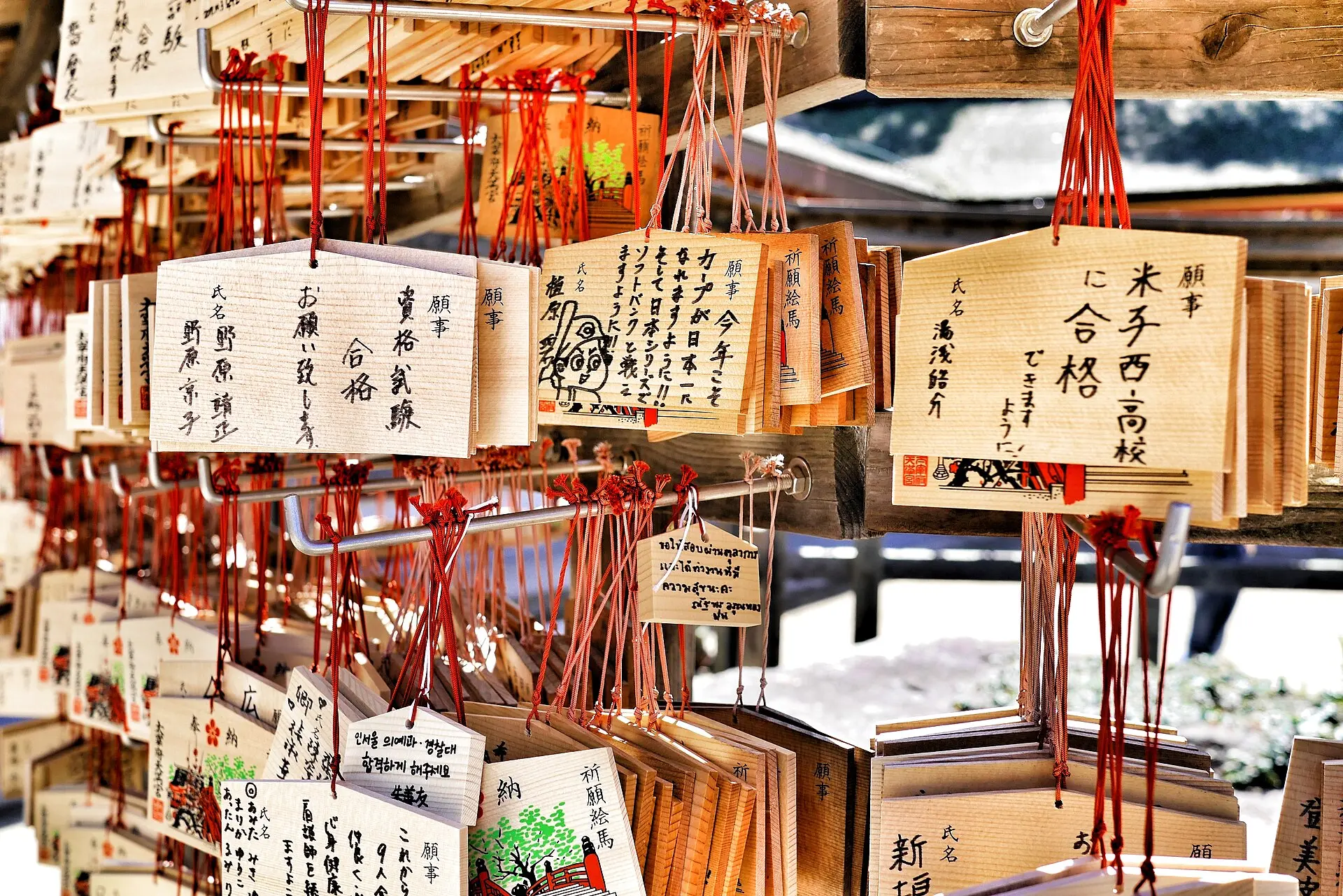
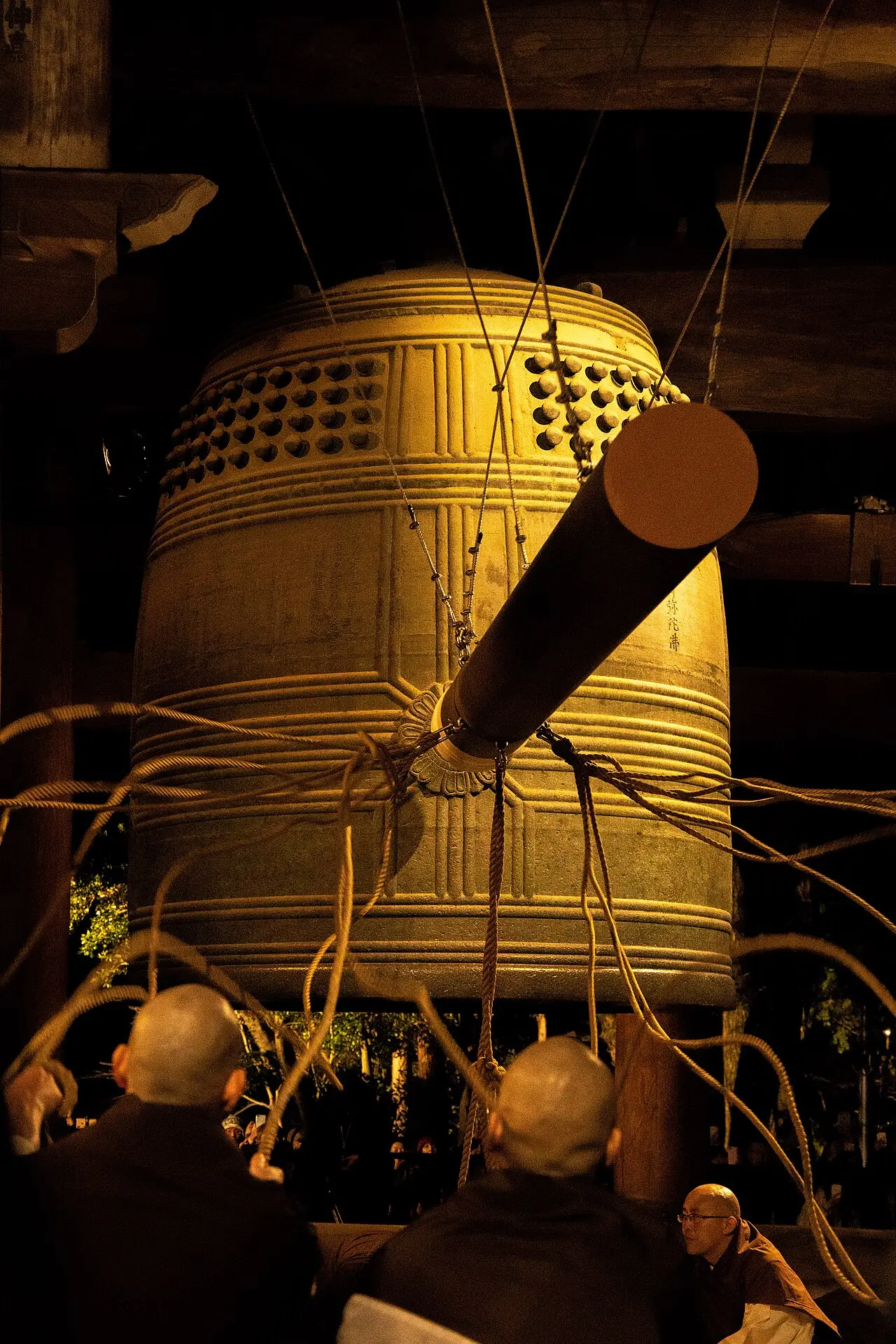
From the fervour of the festival to the hush at the year's end. The temple bell trembles through the cold air, lanterns light the approach, and people pray for a safe year ahead. Hatsumōde is not a holiday outing but the custom of offering the year's first prayer at a shrine or temple.

Shrines and temples follow different forms of worship. Please follow each site's own guidance.

About hatsumōde →

15 — New Year Journey

FROM THE LAST NIGHTTO THE FIRST LIGHT.

From the last night of the year to the first morning.

  1. 23:00

    The last night of the year. At the temple, the bell is made ready.

  2. 23:45

    Lanterns glow along the approach as people slowly gather.

  3. 00:00

    The year turns.

  4. BELL

    The bell trembles through the night air. How and when it is rung differs by temple.

  5. SANDŌ

    Hands and mouth are purified at the water basin before approaching the hall.

  6. DAWN

    The first sunrise of the year begins to light the town.

  7. PRAYER

    A prayer for a safe year ahead.

About joya-no-kane →

KYOTO — AOMORI — TOKUSHIMA — FUKUOKA — AKITA — NIIGATA — TOKYO — GIFU — NAGASAKI

MATSURI — HANABI — ODORI — MIKOSHI — DASHI — LANTERN — PRAYER