ABOUT
ABOUT.
About
MATSURI JAPAN is a cultural portal introducing Japan's festivals, fireworks, New Year customs and seasonal rites to the world — together with the faith, local history and people behind them.
A matsuri is not simply an event: it has been handed down through the faith of shrines and temples and through local communities. We avoid treating sacred rites as entertainment, and organise information so that visitors can take part and watch with respect.
Dates and other details are published only from cited sources, never by estimation. See 'Sources & References' for our editorial policy.
01Cultural Heritage
CULTURALHERITAGE.
Heritage and the festivals
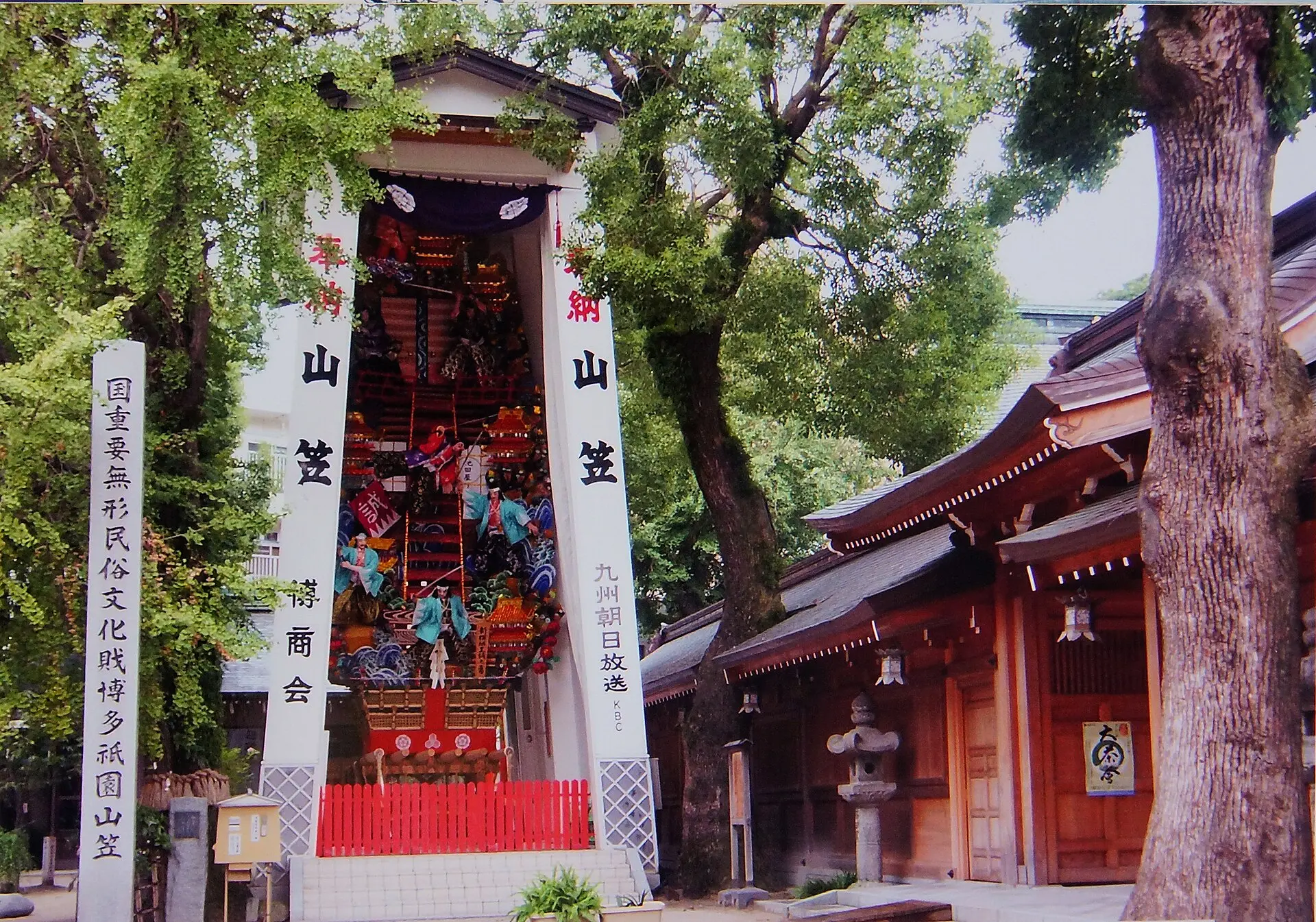
Festival heritage in Japan is recognised under several distinct systems — UNESCO's Intangible Cultural Heritage lists, national designations, and prefectural or municipal designations. What is designated also differs: a whole festival, a single rite, a technique or its floats. We never conflate them.
- UNESCO Intangible Cultural Heritage: Yama, Hoko, Yatai float festivals2016
- Festival rites centered on processions of floats (yama, hoko, yatai), carried out by whole communities to pray for local peace and protection from disaster. In 2016, 33 elements — all nationally designated Important Intangible Folk Cultural Properties — were inscribed on UNESCO's Intangible Cultural Heritage list, expanding the 2009 inscriptions of the Kyoto Gion Festival float ceremony and Hitachi Furyumono. Safeguarding includes training successors, documenting the events, securing materials and repairing or renewing equipment.Source: 山・鉾・屋台行事 - 文化遺産オンライン(文化庁)(external site, opens in a new tab)
- UNESCO Intangible Cultural Heritage: Furyū-odori2022
- On November 30, 2022, the 17th session of the Intergovernmental Committee for the Safeguarding of the Intangible Cultural Heritage decided to inscribe 'Furyū-odori'. The nomination expanded the 2009 inscription of 'Chakkirako' by grouping 41 furyū dances from across Japan, all nationally designated Important Intangible Folk Cultural Properties.Source: 「風流踊」のユネスコ無形文化遺産登録(代表一覧表記載) | 文化庁(external site, opens in a new tab)
- Important Intangible Folk Cultural Properties2025
- Folk cultural properties are the tangible and intangible traditions people have created and passed down in daily life — customs related to food, clothing, housing, livelihoods, beliefs and annual events; folk performing arts; folk techniques; and the clothing, tools and buildings used for them — that show how lives have changed. The national government designates especially important ones as Important Tangible or Important Intangible Folk Cultural Properties; there were 337 Important Intangible Folk Cultural Properties as of April 1, 2025. There are also registered intangible folk cultural properties and a category of intangible folk cultural properties selected for documentation.Source: 民俗文化財 | 文化庁(external site, opens in a new tab)
- Prefectural and municipal designations
- According to the Agency for Cultural Affairs, the national government enacts the Law for the Protection of Cultural Properties and designates, selects and registers important cultural properties, while local governments enact their own cultural-property protection ordinances and designate or select important properties other than those designated by the state. Prefectural and municipal designations are therefore a separate system, and a festival designated by a prefecture or city should be labeled distinctly from a national Important Intangible Folk Cultural Property.Source: 国,地方公共団体,所有者,国民の主な役割 | 文化庁(external site, opens in a new tab)
Designations of listed events (by designated subject)
02People
PEOPLEBEHIND THEFESTIVAL.
Those who carry the festival
A festival is not only something to watch. Shrine bearers, musicians, dancers, float craftsmen, pyrotechnicians and the preservation societies who prepare all year — these are the people who carry it.
- Aomori Nebuta Festival
The preservation body is the Aomori Nebuta Festival Preservation Society; large floats from companies and organisations, neighbourhood and children's groups, musicians and haneto dancers carry the festival.
- Hirosaki Neputa Festival
The preservation body is the Hirosaki Neputa Preservation Society.
- Akita Kanto Festival
Carried by the sashite (pole performers) and musicians; the preservation body is the Akita City Kanto Association.
- Sanja Matsuri
The mikoshi are borne by members of the parish neighbourhood associations, and the binzasara dance is offered by parishioners.
- Sannō Matsuri
The Shinkōsai procession is carried out by shrine representatives and young parishioners.
- Chichibu Night Festival
The preservation body is the Chichibu Festival Preservation Committee.
- Gion Matsuri
The float ceremonies are carried out by each neighbourhood's chōjū organisation; the designated preservation body is the Gion Matsuri Yamahoko Rengokai (a public interest foundation).
- Takayama Matsuri (Spring Sanno Festival and Autumn Hachiman Festival)
Each float is maintained by its yatai-gumi; the designated preservation bodies for the festival are the Hie Shrine parishioners' Sanno Festival Preservation Society and the Hachiman Shrine parishioners' Hachiman Festival Preservation Society.