Explore by season
03 — Explore by Season
THE FOURSEASONS.
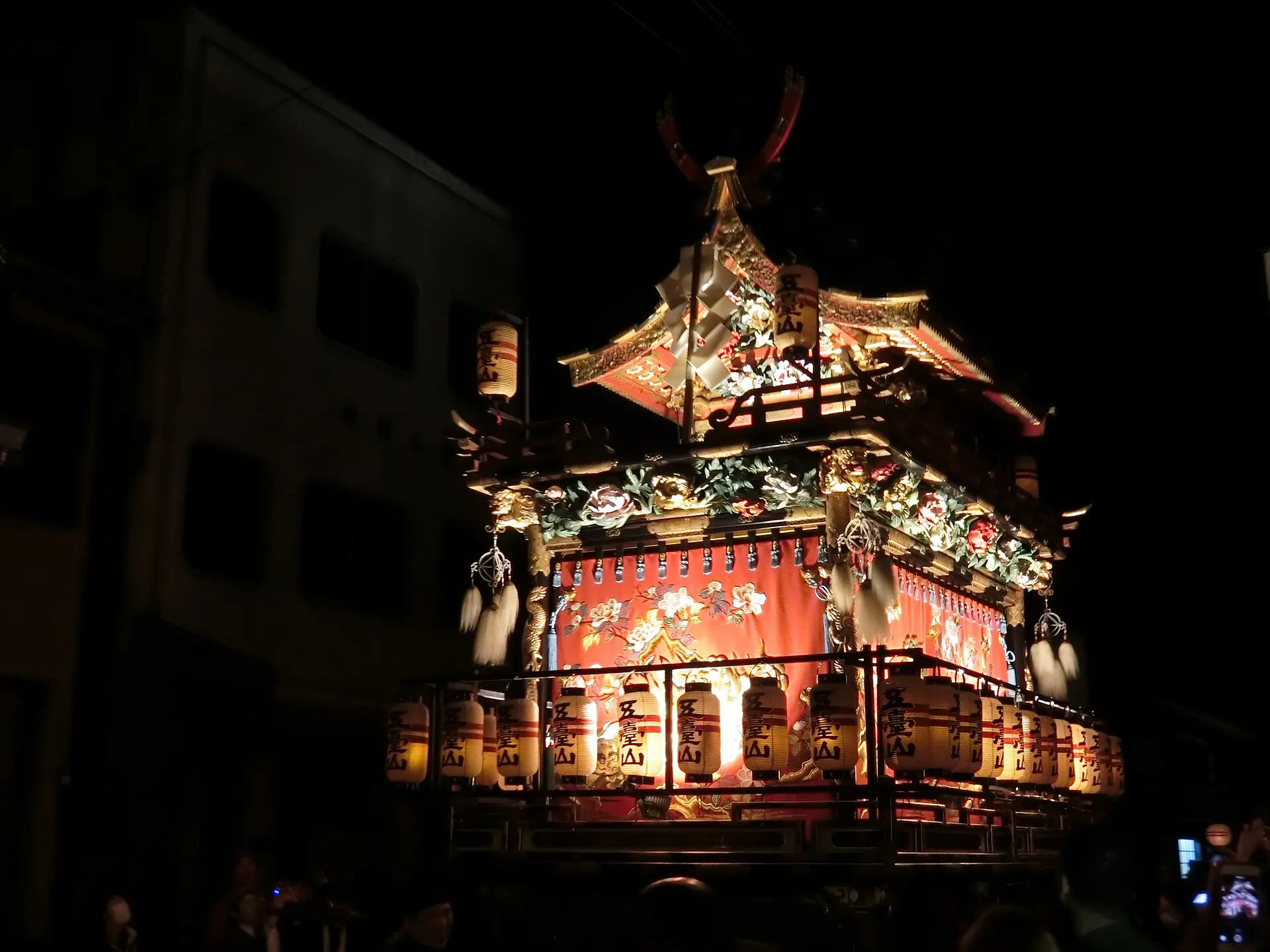
SPRING春
Welcoming the gods beneath blossoms and praying for the harvest to come — spring festivals bring the first colour to towns emerging from winter.
- Hirosaki Cherry Blossom Festival
- Sanja MatsuriThe Friday, Saturday and Sunday around the third Saturday of May
- Kanda MatsuriMid-May (the full festival with the divine procession is held every two years; the grand rite falls on May 15)
- Aoi Matsuri (Kamo Festival)Annually on May 15 (Roto no Gi procession)
- Takayama Matsuri (Spring Sanno Festival and Autumn Hachiman Festival)Spring Sanno Festival annually on April 14–15; autumn Hachiman Festival annually on October 9–10
- Takaoka Mikurumayama FestivalAnnually on May 1 (with an eve festival on April 30)
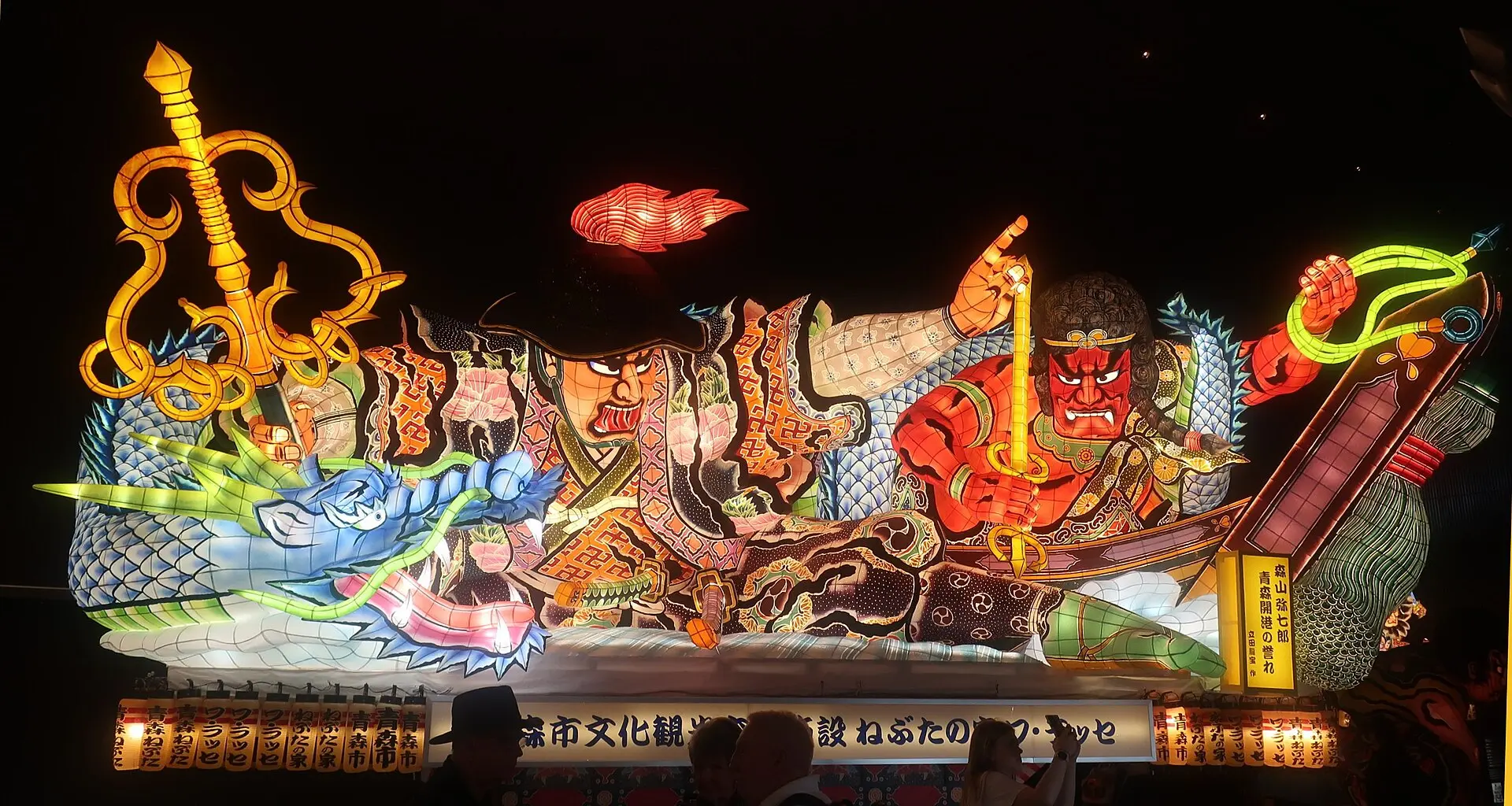
SUMMER夏
Warding off epidemics, welcoming ancestral spirits and lighting the night — the most fervent season of the year.
- Aomori Nebuta FestivalAnnually, August 2–7
- Hirosaki Neputa FestivalAnnually, August 1–7
- Sendai Tanabata FestivalAnnually, August 6–8
- Akita Kanto FestivalAnnually, August 3–6
- Yamagata Hanagasa FestivalAnnually, August 5–7
- Sannō MatsuriJune 7–17 (the divine procession is held every two years)
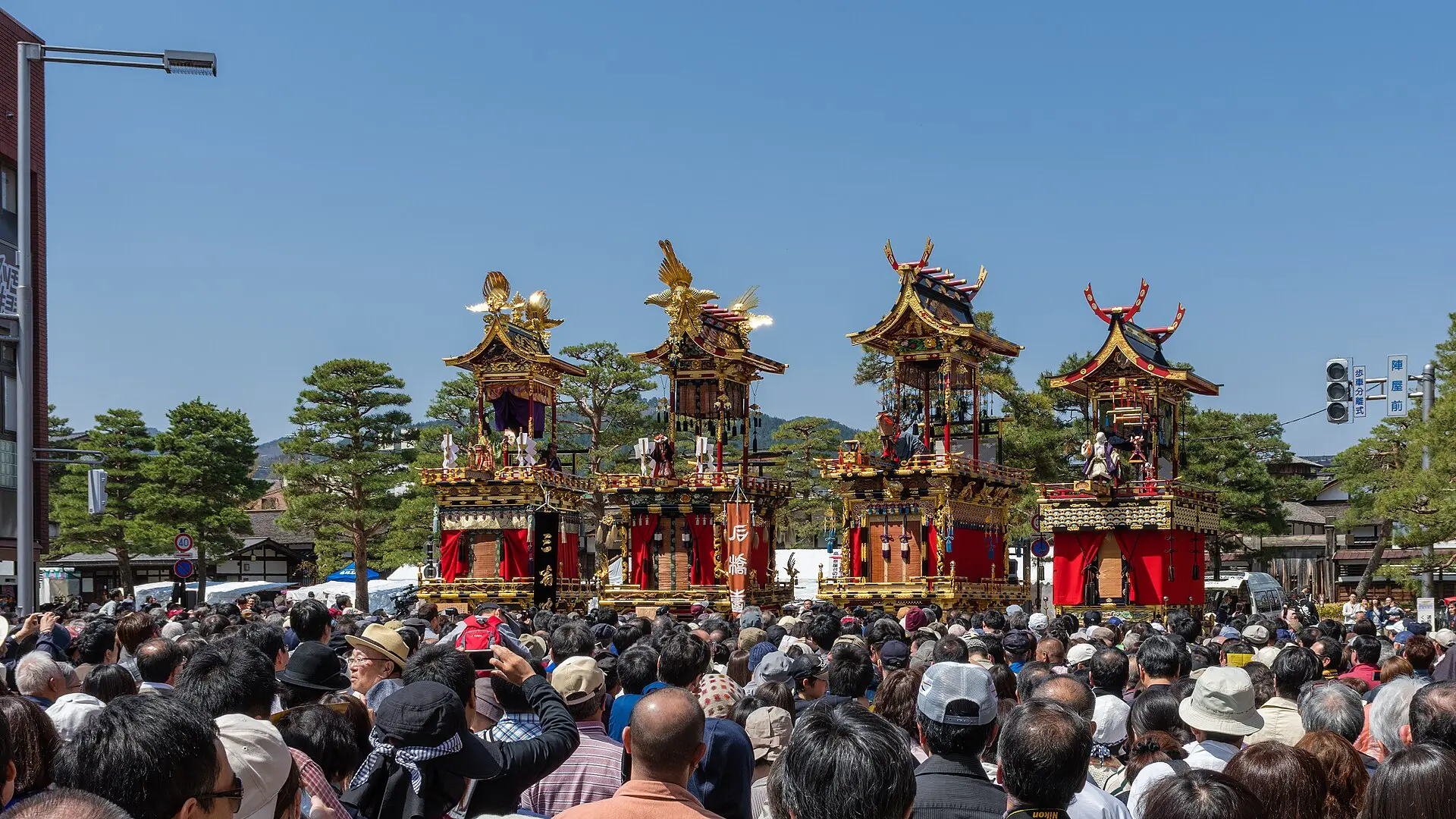
AUTUMN秋
Giving thanks for the harvest as floats circle the town — the season when festival colours deepen.
- Kishiwada Danjiri Matsuri
- Nagasaki KunchiAnnually for three days, October 7–9
- Naha Great Tug-of-War (Naha Otsunahiki)Annually in October, on the Sunday before the national Sports Day holiday (formerly Health and Sports Day)
- Tsuchiura All Japan Fireworks Competition
WINTER冬
Snow, fire and stillness. Winter rites kindle light in the harshest season.
- Sapporo Snow Festival
- Yokote Kamakura Snow FestivalSince 2026, the second Friday and Saturday of February
- Chichibu Night FestivalAnnually, December 2 (eve) and December 3 (main festival)
- Saidaiji Eyo (Naked Festival)Annually on the third Saturday of February
- Hatsumōde (First Shrine or Temple Visit of the New Year)Commonly said to be from New Year's Day through the first three days of January
- Joya no Kane (New Year's Eve Temple Bells)On New Year's Eve night (joya), into the new year