Season — 夏
SUMMER
Summer
Warding off epidemics, welcoming ancestral spirits and lighting the night — the most fervent season of the year.
01 — Aomori
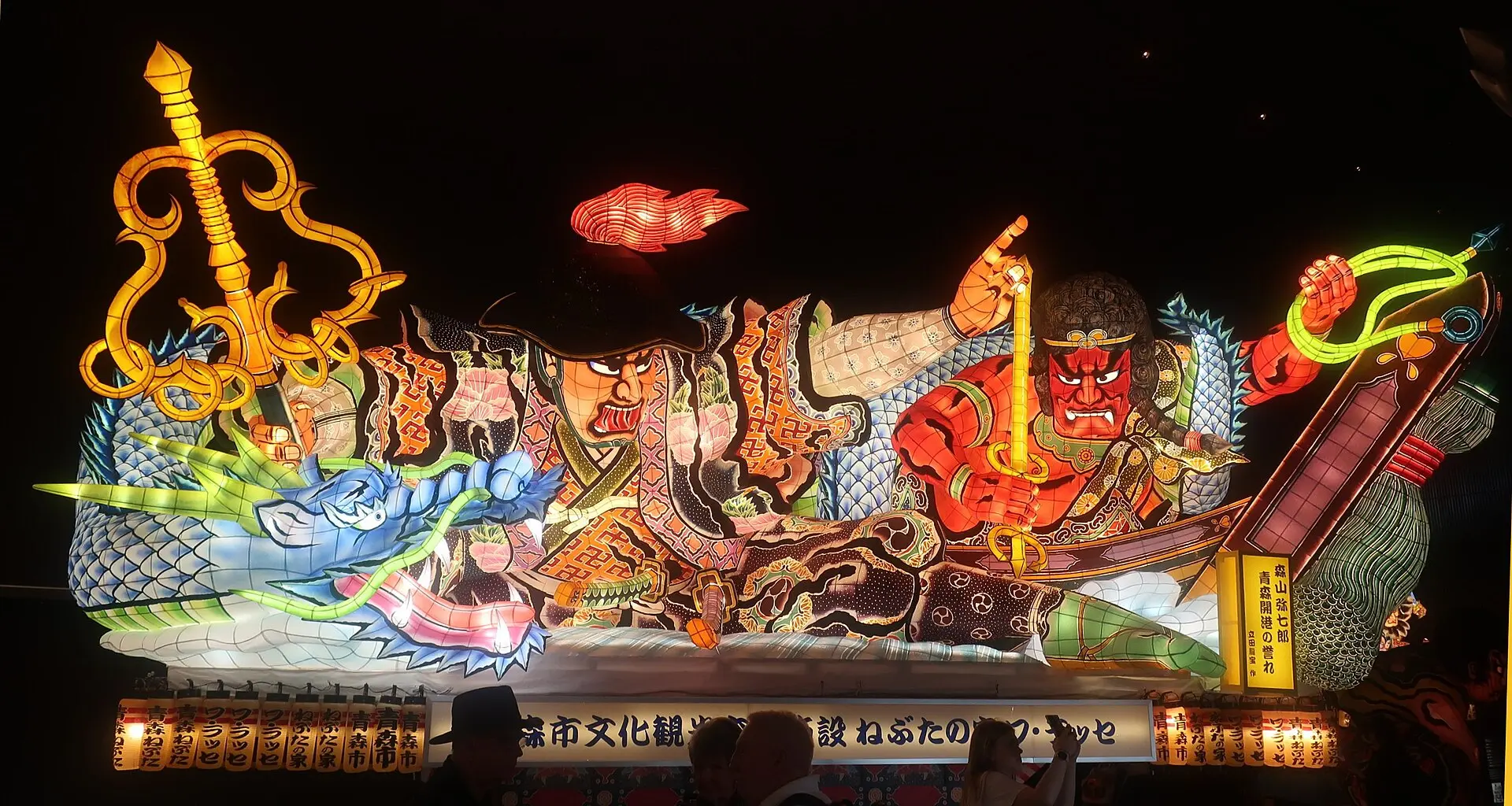
Aomori Nebuta Festival
Illuminated lantern floats depicting heroic figures move through Aomori's summer nights to flute and drum, surrounded by haneto dancers calling out "Rassera." The tradition is designated a national Important Intangible Folk Cultural Property as "Aomori no Nebuta."
Typically: Annually, August 2–7
02 — Aomori
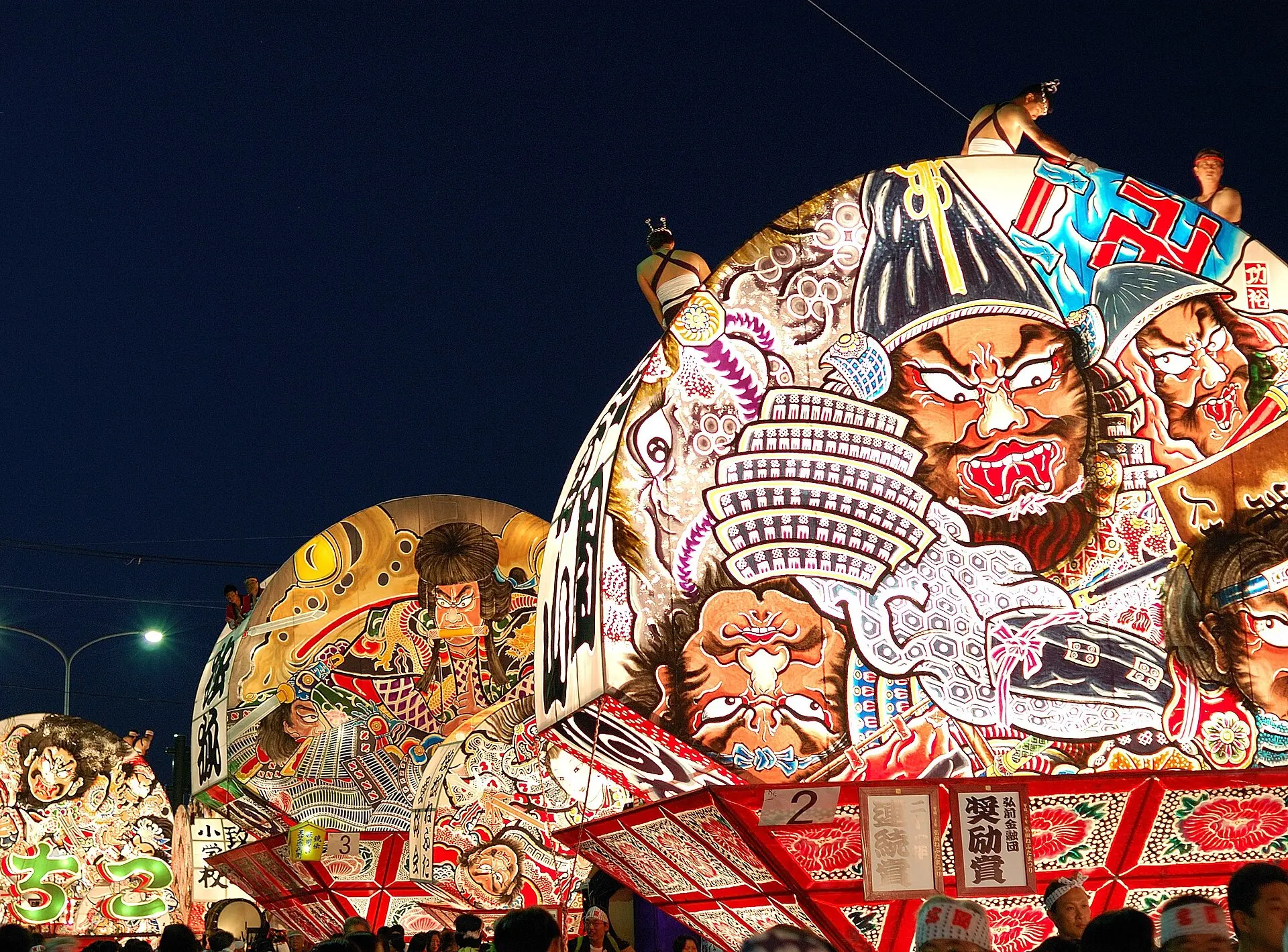
Hirosaki Neputa Festival
A summer procession in the castle town of Hirosaki, led mainly by fan-shaped ogi-neputa painted with warrior scenes and accompanied by flute, drum and the call "Yaa-ya-do."
Typically: Annually, August 1–7
03 — Miyagi
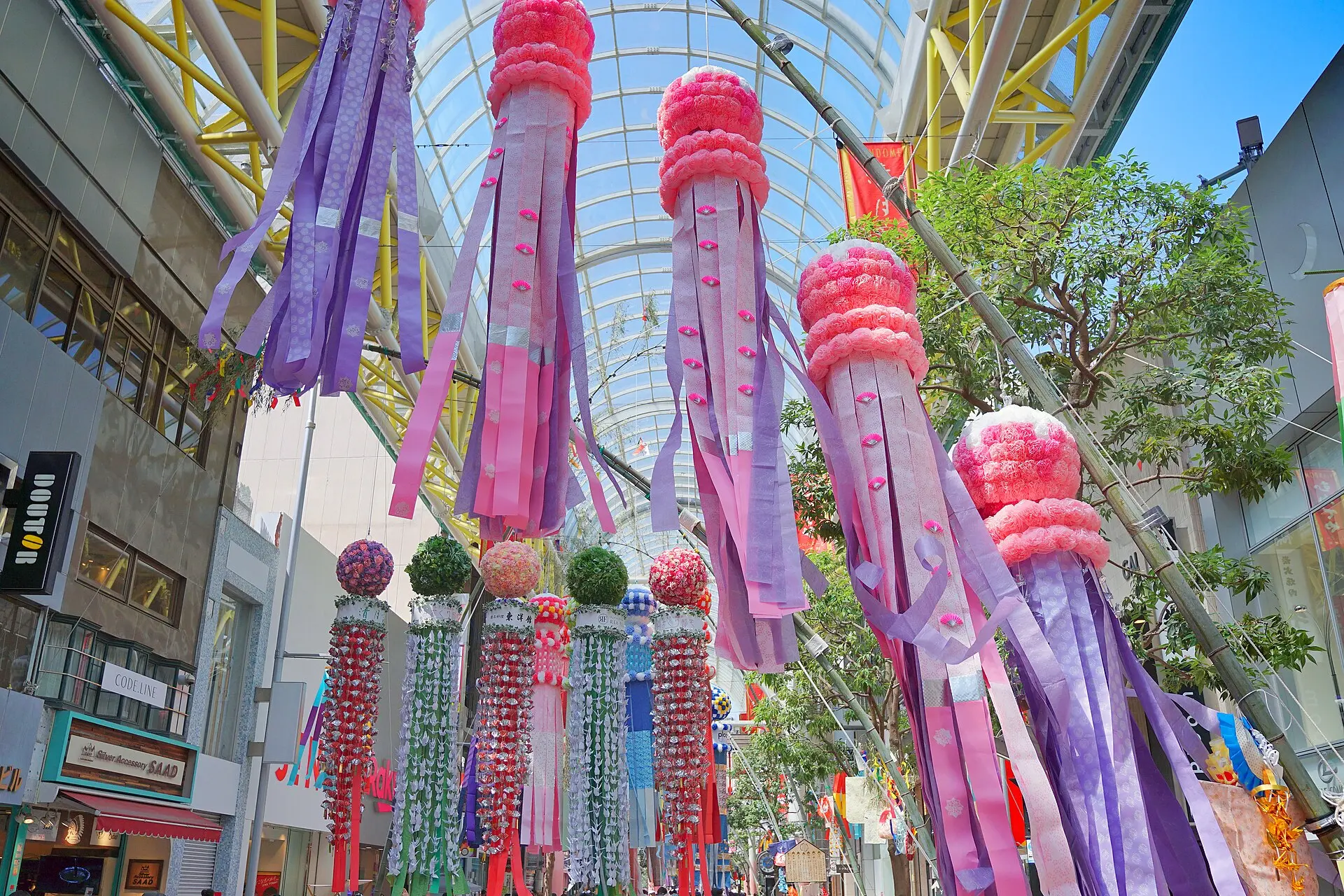
Sendai Tanabata Festival
A Tanabata observance said to have been handed down since the time of Date Masamune, founder of the Sendai domain, when bamboo decorations of washi streamers fill the city's shopping arcades.
Typically: Annually, August 6–8
04 — Akita
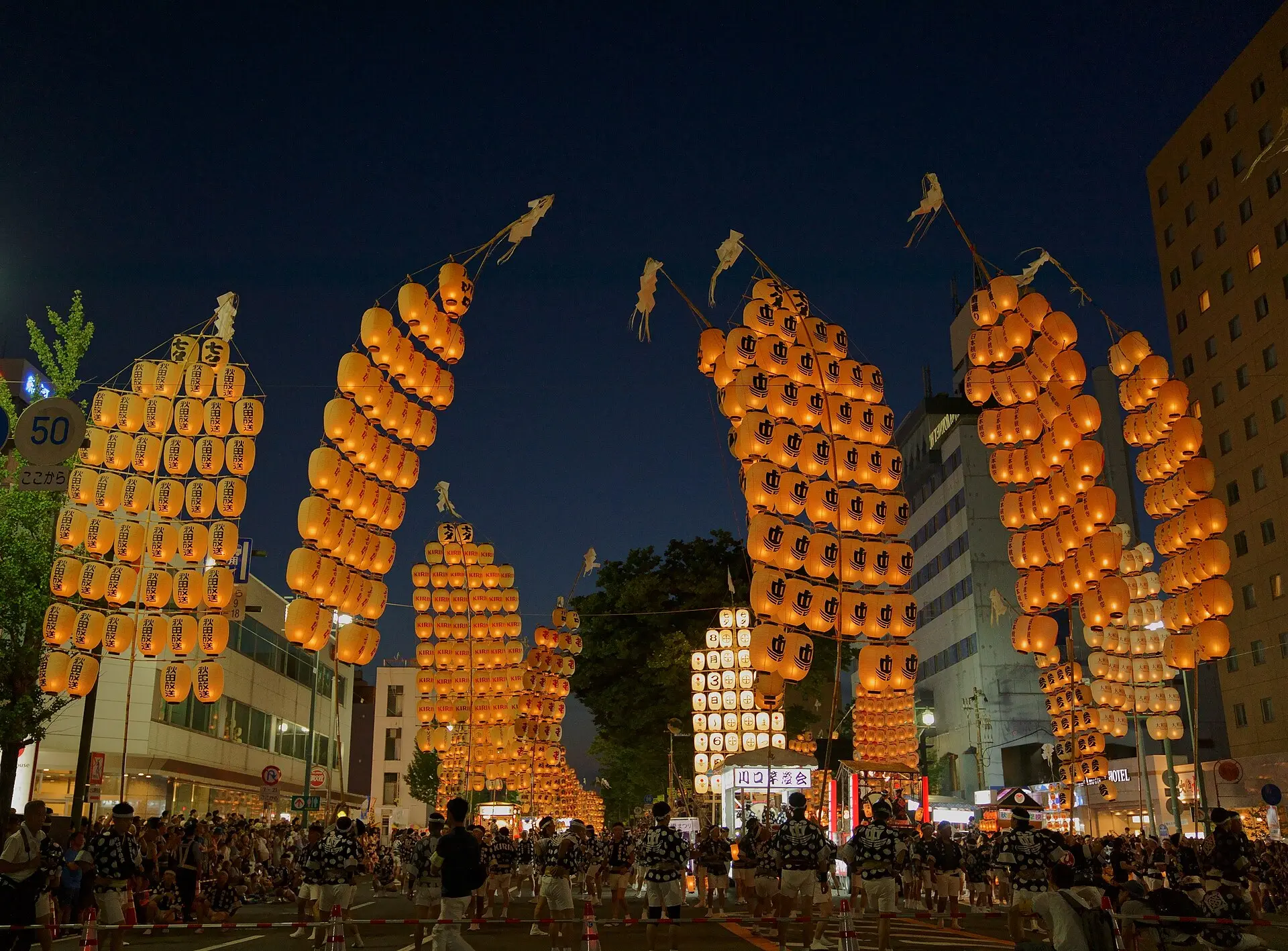
Akita Kanto Festival
Akita's summer observance in which performers balance towering bamboo poles hung with lanterns on their palms, foreheads, shoulders and hips; the whole pole is likened to an ear of rice, in prayer for an abundant harvest.
Typically: Annually, August 3–6
- Licensed photography is being verified
05 — Yamagata
Yamagata Hanagasa Festival
A summer festival in which dancers holding safflower-decorated hanagasa hats move in formation through central Yamagata to the beat of hanagasa drums and the call "Yassho, makasho."
Typically: Annually, August 5–7
- Licensed photography is being verified
06 — Tokyo
Sannō Matsuri
The festival of Hie Shrine, known in the Edo period as a "Tenka Matsuri" because the Tokugawa shoguns welcomed its mikoshi into Edo Castle.
Typically: June 7–17 (the divine procession is held every two years)
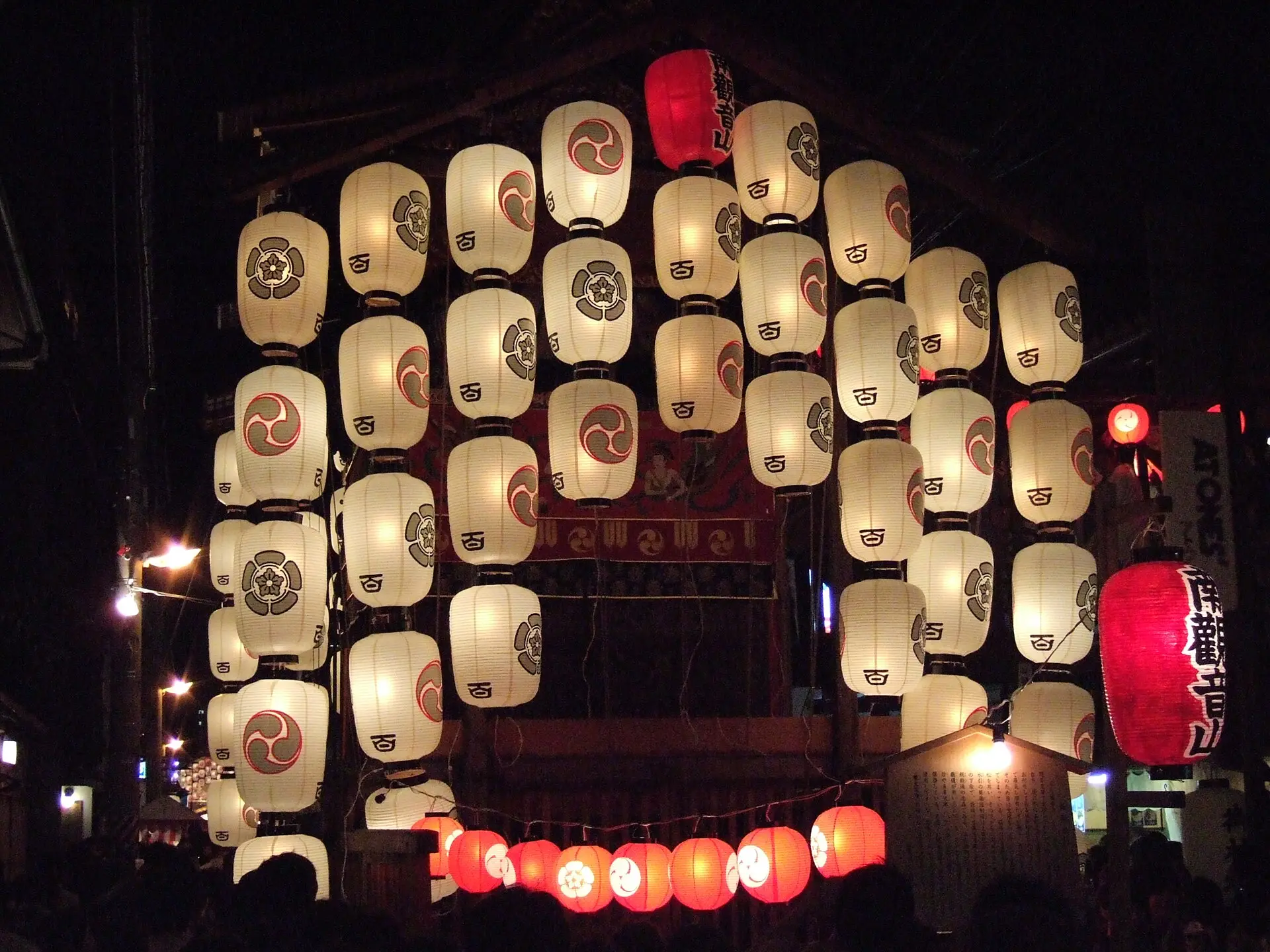
07 — Kyoto
Gion Matsuri
The festival of Yasaka Shrine in Kyoto: a month of Shinto rites and float ceremonies running from the Kippuiri on July 1 to the Ekijinja Nagoshi-sai on July 31.
Typically: Annually throughout July, from the Kippuiri rite on July 1 to the Ekijinja Nagoshi-sai on July 31
- Licensed photography is being verified
08 — Wakayama
Nachi Ogi Matsuri (Nachi Fire Festival)
The grand annual festival of Kumano Nachi Taisha, in which twelve fan-shaped mikoshi travel from the main sanctuary to Nachi Falls while twelve great torches purify their path with fire.
Typically: Annually on July 14
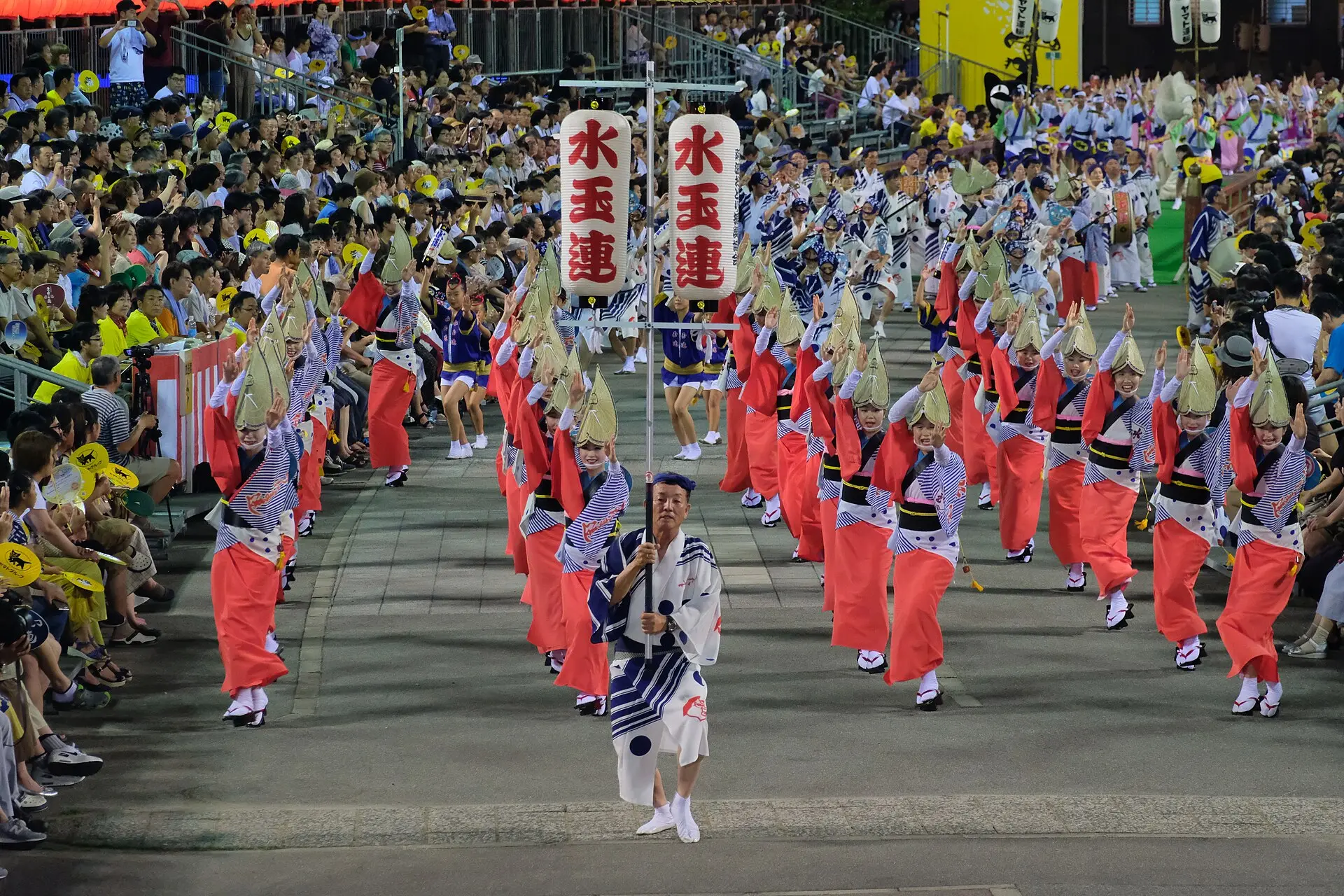
09 — Tokushima
Awa Odori
A traditional performing art of Tokushima said to have more than 400 years of history. For four days over Obon, the centre of Tokushima City is given over to dance.
Typically: Annually for four days, August 12–15
- Licensed photography is being verified
10 — Kochi
Yosakoi Matsuri
Kochi's summer festival, begun in 1954, in which dancers holding naruko clappers dance their way through competition and performance venues across the city.
Typically: Annually over four days: August 9 (eve), August 10–11 (main days) and August 12 (closing festival and national competition)
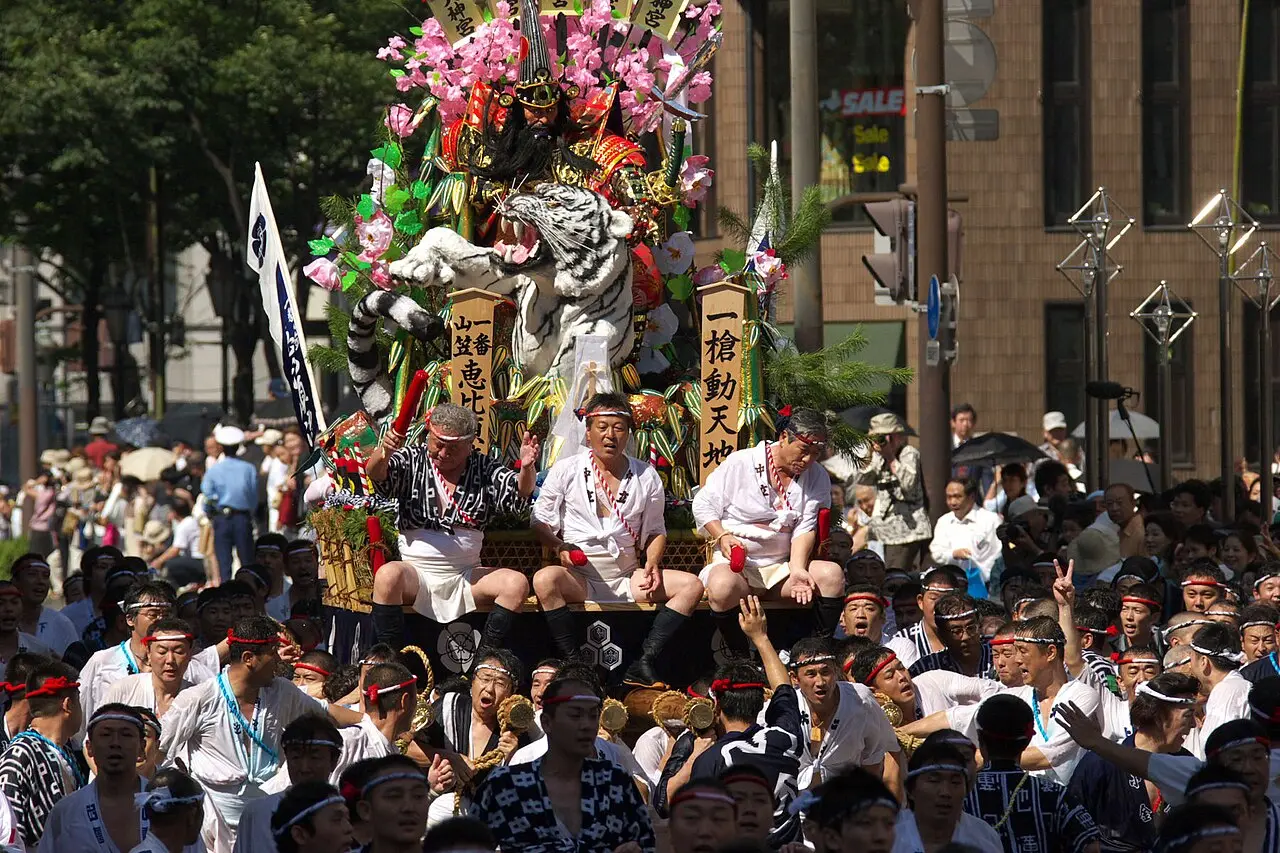
11 — Fukuoka
Hakata Gion Yamakasa
A rite offered at the summer festival of Kushida Shrine. From July 1 until the dawn Oiyamakasa on the 15th, the nagare districts of Hakata tend, carry and race their yamakasa floats.
Typically: Annually, July 1–15
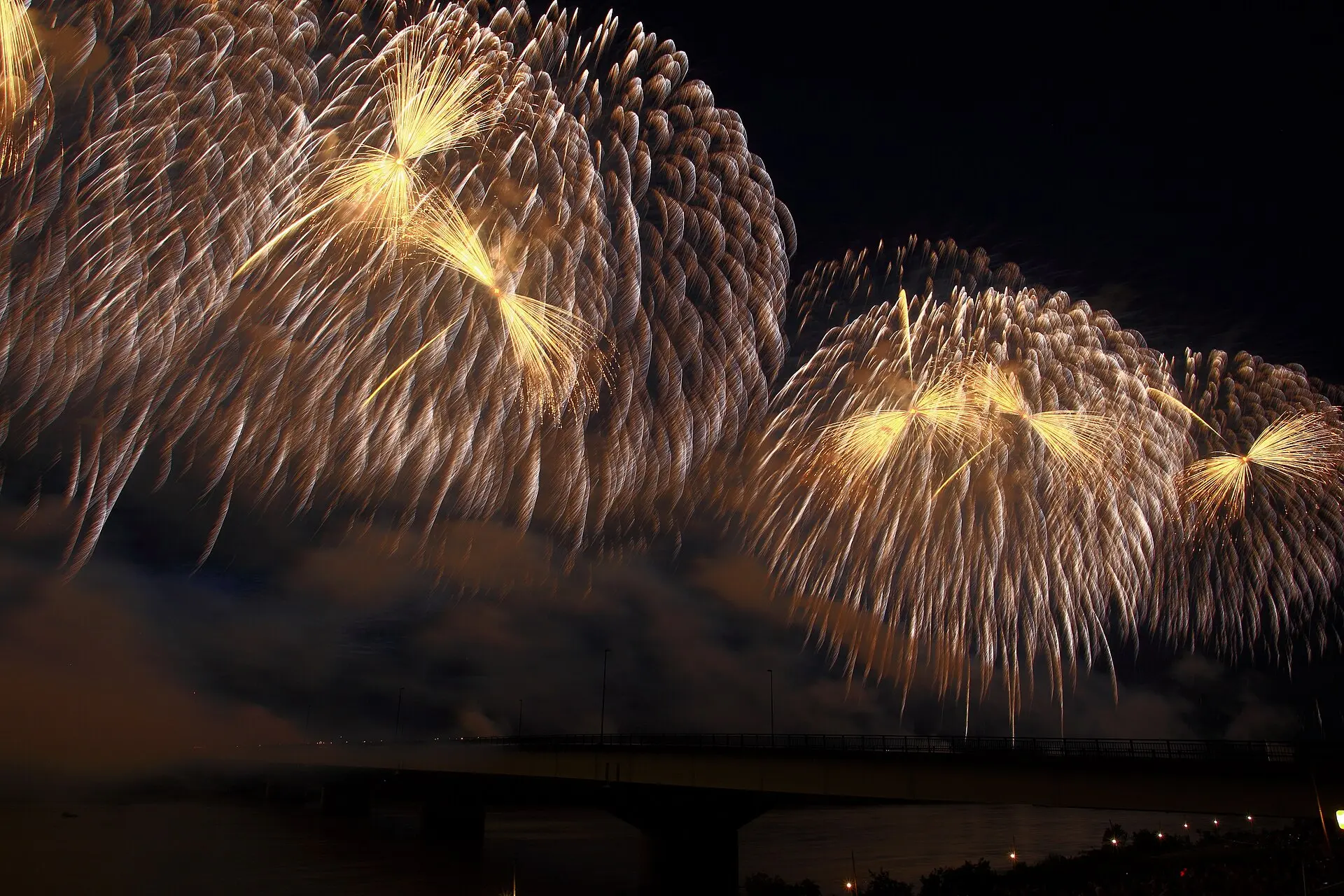
12 — Niigata
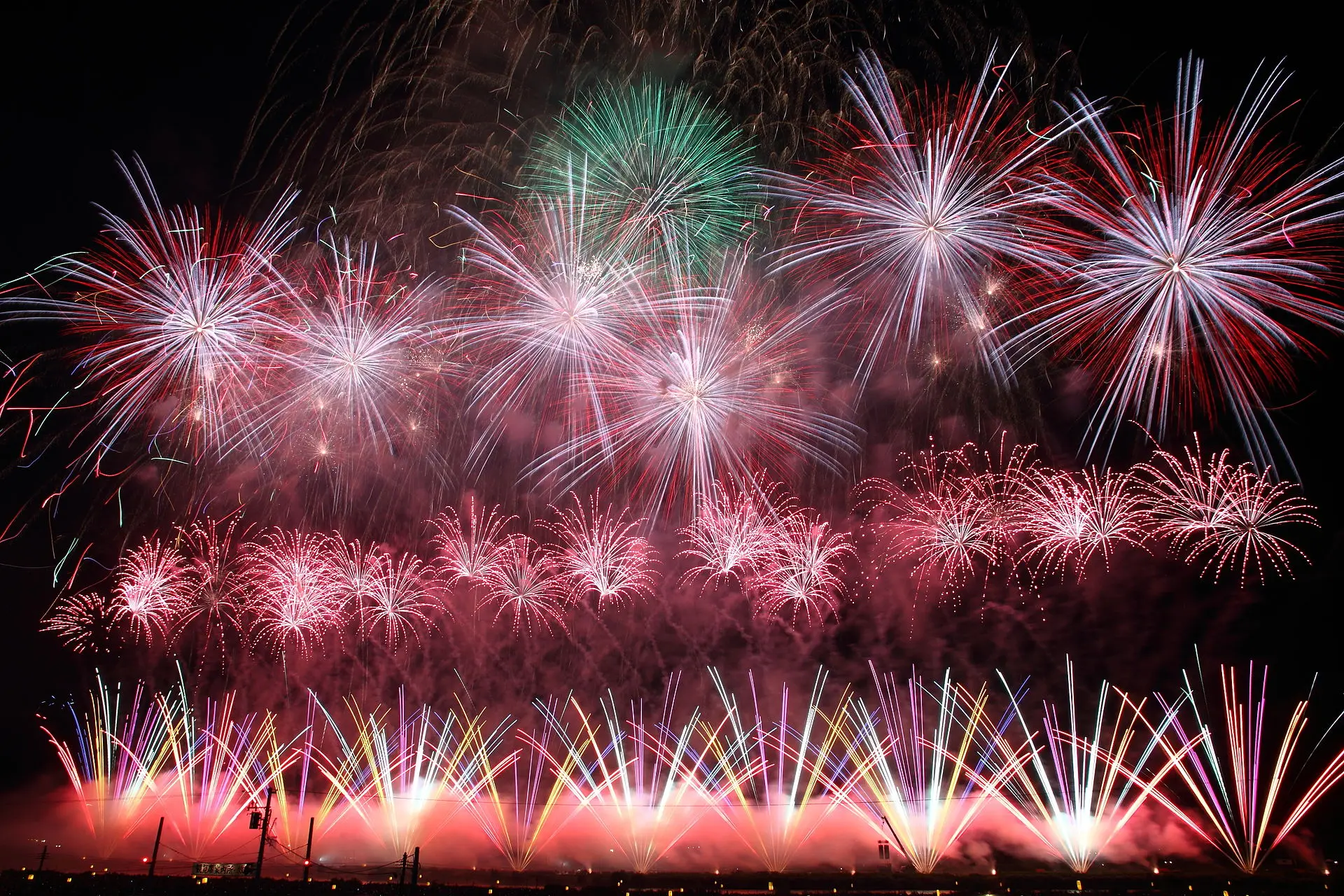
Nagaoka Festival Grand Fireworks
A fireworks festival held every year on August 2 and 3 on the Shinano River riverbed in Nagaoka, Niigata. Its organizer, the Nagaoka Fireworks Foundation, aims to pass on to future generations the story of Nagaoka's fireworks as prayers for remembrance, recovery and peace.
Typically: Every year on August 2 and 3
13 — Akita
Omagari Fireworks – National Fireworks Competition
A fireworks competition dating from 1910 in which pyrotechnicians from across Japan compete. It features a daytime fireworks category as well as night fireworks, and the top award is the Prime Minister's Prize.
Typically: The last Saturday of August
14 — Tokyo
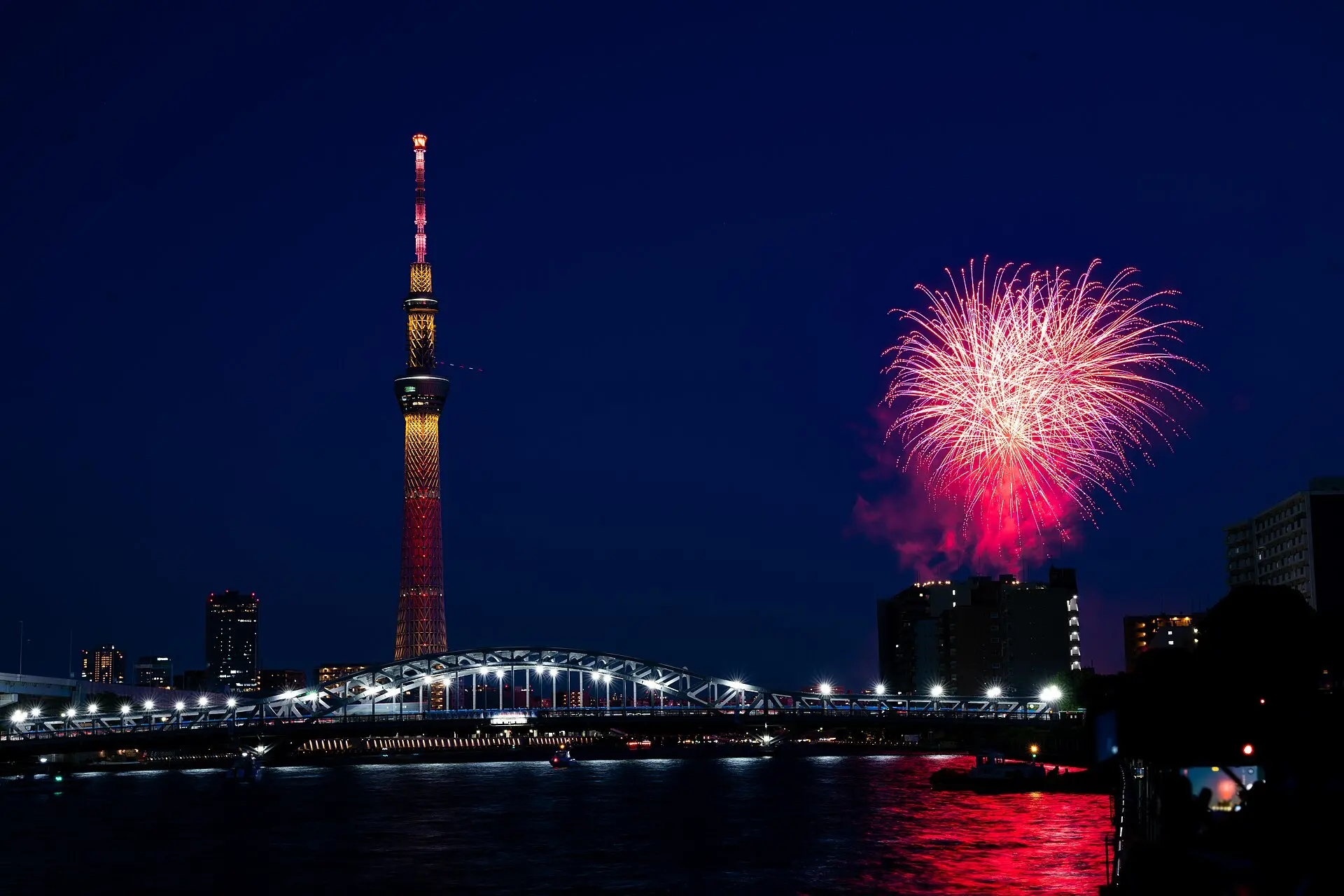
Sumida River Fireworks Festival
A fireworks festival on Tokyo's Sumida River whose roots lie in the Edo-period 'Ryōgoku Kawabiraki'. Fireworks are launched from two venues, and a fireworks competition is held at Venue 1.